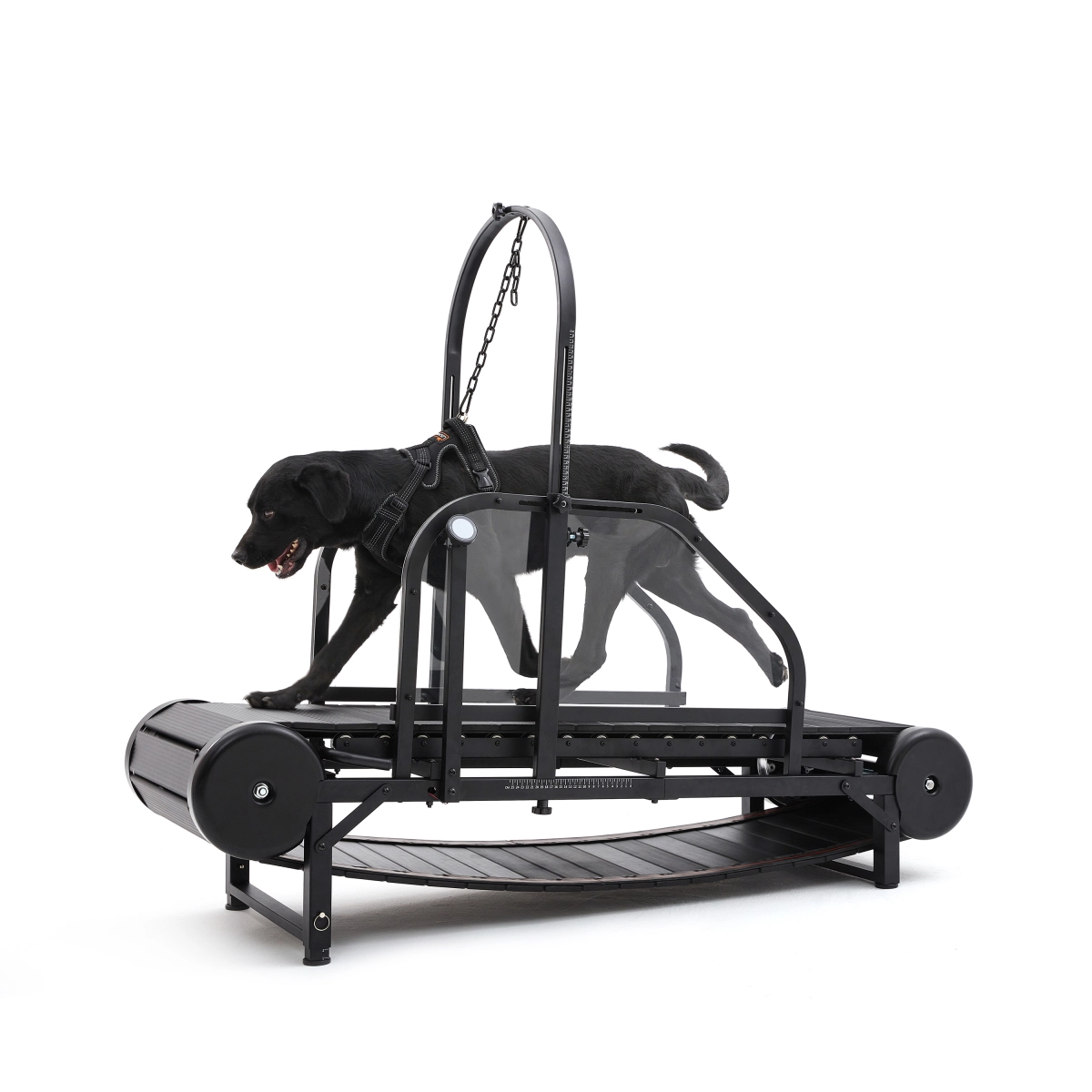
Choosing the right treadmill for your dog is very important. It helps keep them healthy and happy. Did you know that about 56% of dogs in the U.S. are overweight or obese? Regular exercise, like using a treadmill, helps your furry friend stay fit. This is especially true when outdoor walks are not possible.
For Doggo Treadmills, you have two main choices: manual and motorized. One great option in the manual category is the Ronzeil Non-Electric Dog Treadmill, which allows your dog to control their speed. This can make them excited. On the other hand, motorized treadmills let you set the pace, helping create a calmer exercise time. Each type has its own benefits. So, think about what works best for your dog!
Key Takeaways
Regular exercise on a dog treadmill keeps your dog healthy. It is especially helpful when outdoor walks are not possible.
Manual treadmills let dogs control their speed. This makes them great for energetic dogs that want to set their own pace.
Motorized treadmills have adjustable speeds and safety features. They provide a safe place for dogs of all ages and fitness levels.
Think about your dog's size, energy level, and comfort when picking a treadmill. This helps make sure they have a safe and good workout.
Both types of treadmills can help reduce boredom and anxiety in dogs. They promote better mental health through regular exercise.
Dog Treadmill Overview
A dog treadmill is a special machine for your dog to exercise inside. Unlike treadmills for people, dog treadmills have features made for different dog sizes and needs. Here’s a quick comparison of the two:
| Feature |
Dog Treadmill |
Human Treadmill |
| Running Surface Width/Length |
Wider and longer to fit different dog sizes, making it comfy. |
Usually narrower and shorter, which may not work for bigger dogs. |
| Speed Range |
Starts as low as 0.1 km/h for slow changes. |
Minimum speed usually starts at 1 km/h, which might be too fast for small dogs. |
| Safety Features |
Has side barriers and emergency stops for safety. |
No side barriers; safety stops are manual and not good for pets. |
| Incline Adjustability |
Rarely has incline features to protect joints. |
Incline changes are common, which may hurt a dog's joints. |
| Noise Levels |
Runs quietly to keep dogs calm. |
Usually noisier, which can make dogs anxious. |
| Control Mechanisms |
Often has remote controls for easy watching. |
Control panels need a person to operate them. |
| Material and Durability |
Softer, non-slip surfaces made for dogs' paws. |
Harder surfaces made for shoes, which may hurt dogs' paws. |
Using a dog treadmill has many benefits for your furry friend. Regular workouts on a treadmill can help make your dog fitter. Here are some key advantages:
- Health Benefits: Treadmills help build your dog's heart and muscle strength. They also help with weight loss, which is important for staying healthy.
- Behavioral Benefits: A treadmill gives structured exercise, which can lower boredom and anxiety. This activity is important for your dog's mental health.
- Acclimation Protocol: Getting your dog used to a treadmill can help them learn this type of exercise. It keeps them safe and makes it easier for you to add regular workouts to their routine.
With a dog treadmill, you can help your dog stay active, even when the weather is bad.
Manual vs. Motorized Treadmills
Manual Treadmills
Manual treadmills need your dog to be active. They work based on how your dog moves. This means your furry friend controls the speed. This design helps dogs run at their own pace. It is great for energetic dogs. Here are some important features of manual treadmills:
- No Electricity Needed: You don’t need to worry about cords or plugs. This makes them easy to set up anywhere in your home.
- Simplicity: The design is simple, which can be less scary for some dogs. They usually have a non-slip surface to help your dog feel safe while running.
- User Control: Your dog sets the pace, which is good for dogs that like to run at their own speed. This feature is especially helpful for high-energy breeds that need a good workout.
But remember, manual treadmills need your dog to want to run. If your dog isn’t interested, they might not get enough exercise.
Motorized Treadmills
Motorized treadmills use a motor to set the speed. This can be great for dogs that need a more controlled place to exercise. Here’s what you should know about motorized treadmills:
- Adjustable Speeds: You can easily change the speed settings. This makes it good for dogs of all ages and fitness levels. This is especially helpful for older dogs or those with joint problems, as you can start them at a slow pace.
- Safety Features: Many motorized treadmills have safety features. For example, they often have emergency stops and remote controls to stop the treadmill quickly if needed. This keeps your dog safe while using it.
- Consistent Exercise: Motorized treadmills give a reliable way for your dog to get regular exercise, even when the weather is bad. You can set a routine that fits your dog's needs.
Here’s a quick comparison of the two types:
| Feature |
Manual Treadmills |
Motorized Treadmills |
| User Control |
Dog controls pace naturally |
Adjustable speed settings |
| Safety Features |
Limited safety features |
Emergency stops and safety mechanisms |
| Design |
Non-motorized, relies on dog's movement |
Motorized, designed for adjustable speeds |
Both manual and motorized treadmills have their own benefits. The choice between them often depends on your dog's personality and exercise needs. If your dog likes running at their own pace, a manual treadmill might be best. If you want more control over the workout, a motorized treadmill could be better.
Features of the Ronzeil Non-Electric Dog Treadmill
Here are some important benefits of Dog Treadmill For Large Dogs like the Ronzeil model:
- Boosts heart rate and helps blood flow.
- Strengthens the dog's heart and lowers heart disease risk.
- Offers low-impact workouts, which are good for older dogs.
The Ronzeil treadmill also has incline settings. This lets you change your dog's workout to build muscle and improve their strength. Here’s a quick look at how incline settings and other features help your dog's fitness:
| Feature | Benefit |
|---|---|
| Incline Adjustment | Builds muscle and improves strength. |
| Non-Electric Operation | Boosts heart rate, helps blood flow, and strengthens the heart |
| Low-Impact Exercise | Protects joints and muscles, especially for older or recovering dogs. |
With these features, the Ronzeil Non-Electric Dog Treadmill keeps your dog fit and helps their health. You can feel good knowing your dog is getting a safe and effective workout. Plus, its simple design means you don’t have to worry about tricky setups or safety features. Just let your dog jump on and start running!
Pros and Cons of Each Type
Manual Treadmill Pros and Cons
Manual treadmills have their own good and bad points. Here’s a quick look:
Pros:
- No Electricity Needed: You can set it up anywhere without cords.
- User Control: Your dog controls the speed, which is great for active pups.
- Simplicity: The simple design can be less scary for some dogs.
Cons:
| Disadvantage |
Impact on Usability |
| High initial cost |
May stop people from buying, affecting long-term use. |
| Needs training to help dogs get used safely |
Ongoing training may be needed, affecting consistency. |
| Not all dogs adjust; some may feel anxious |
Anxiety can make them refuse to use the treadmill. |
| Takes up space unless foldable |
Space limits may affect use in small homes. |
| Possible safety risks without supervision |
Increased injury risk can stop use. |
Motorized Treadmill Pros and Cons
Motorized treadmills also have their own good and bad points. Here’s what you should know:
Pros:
- Adjustable Speeds: You can easily change the speed, making it good for dogs of all ages.
- Safety Features: Many models have emergency stops and remote controls for quick access.
- Consistent Exercise: They give a reliable way for your dog to get regular exercise, even in bad weather.
Cons:
- Maintenance Required: Regular care is needed to keep the treadmill working well.
- Supervision Needed: You should never leave your dog alone on a treadmill. Accidents can happen if your dog gets anxious or distracted.
- Higher Initial Investment: Motorized options often cost more upfront than manual ones.
Both types of Large Dog Treadmil have unique benefits for your dog's fitness journey. Whether you pick manual or motorized, think about your dog's personality and needs. If you want to do treadmill training, consider how each choice fits your dog's exercise habits.
Choosing the Right Dog Treadmill
Assessing Your Dog's Needs
When you choose a treadmill for your dog, think about what they need. Different breeds, ages, and activity levels can affect which treadmill is best. Here are some things to remember:
| Factor |
Description |
| Size and Weight Capacity |
Make sure the treadmill fits your dog's size and weight for comfort and strength. |
| Speed and Adjustability |
Pick a treadmill with adjustable speeds to match your dog's energy and activity needs. |
| Noise Level |
Choose a quiet motor to avoid scaring your dog and help them get used to the treadmill. |
| Safety Features |
Look for side rails and emergency stops to keep your dog safe while using it. |
| Portability and Storage |
Think about the treadmill's size and if it can be easily moved or stored when not in use. |
| Purpose-Built Design |
Prefer treadmills made just for dogs to fit their unique movement and comfort. |
Before you decide, talk to a vet or a sports medicine expert. They can help check if your dog can use a treadmill. Also, consider your dog's size and stride length. The treadmill should be 1.5 to 2 times your dog's body length. This way, your dog can move comfortably and safely.
Space and Portability
Space is another key point when picking a treadmill. You want to make sure it fits well in your home. Here are some things to think about:
- Manual treadmills are quieter and easier to move, making them great for small spaces.
- Motorized treadmills can be louder and need more space, so think about where to put them in your home.
- If you live in an apartment, a quieter treadmill is better. Those with garages or basements have more options for treadmills.
Portability is also important. You might want to move the treadmill around or store it when not in use. Here’s how manual and motorized treadmills compare:
| Feature |
Manual Treadmills |
Motorized Treadmills |
| Foldable Design |
Yes |
Yes |
| Compact and Portable Design |
Yes |
Yes |
| Lightweight |
Yes |
Varies by model |
| Wheels for Movement |
Needed for easy moving |
Often included for portability |
For example, the dogPACER Minipacer Treadmill is made for smaller dogs and is very portable. It’s compact and made of carbon steel, which makes it easy to move and store. This is a great choice if you have limited space.
Choosing the right treadmill for your dog is very important. Here’s a quick look at the main differences:
| Feature |
Paw-Powered Treadmill |
Motorized Treadmill |
| Speed Control |
Dog sets the pace |
Owner controls the speed |
| Energy Expenditure |
Burns more calories |
Provides steady exercise |
| Safety Features |
Moves based on the dog |
Has emergency stop buttons |
It’s important to match the treadmill type to your dog's needs. Think about these points:
- Treadmills give a safe place for regular training, no matter the weather.
- They let you change the speed and incline for specific workouts.
Whether your dog is very active or has some health issues, there’s a treadmill that works for them. Choose the one that keeps your furry friend happy and healthy!
FAQ
What size dog treadmill do I need for my pet?
Choose a treadmill that fits your dog's size and weight. Ensure the running surface is long and wide enough for your dog to move comfortably.
Can my dog use a treadmill every day?
Yes, daily treadmill sessions can benefit your dog's health. Start with short sessions and gradually increase the duration as your dog gets used to it.
How do I train my dog to use a treadmill?
Begin by introducing your dog to the treadmill while it's off. Use treats and praise to encourage them. Once comfortable, turn it on at a slow speed.
Are dog treadmills safe?
Yes, dog treadmills are safe when used correctly. Always supervise your dog during workouts and ensure they have proper safety features like emergency stops.
Can I use a human treadmill for my dog?
It's not recommended. Human treadmills lack safety features for dogs and may not accommodate their unique movement needs. Opt for a treadmill designed specifically for dogs.
0 Comments