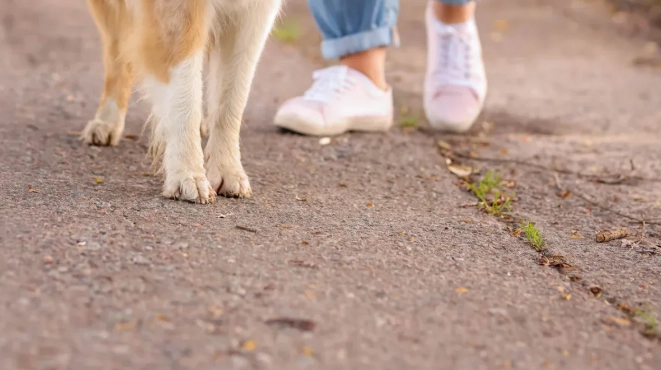
Does your Australian Shepherd follow you everywhere? You might even call them a "Velcro dog"! Many Aussie owners know this feeling well. This behavior is very common for the breed. It often comes from their natural traits. Australian Shepherds are true "people-person dogs." They love to be involved in everything you do. This post will explore the main reasons dogs follow their owners, whether it's normal, and what you can do to help. Understanding why your Aussie sticks so close helps you build an even stronger bond with them.
Key Takeaways
Australian Shepherds follow you. This is because of their herding instincts. They also want to be your partner. They think of you as family. They want to keep you safe.
Your Aussie wants to be close to you. They want comfort from you. They also follow you for attention. Or they need something. This could be food or playtime.
Your Aussie might be bored. Or they might be worried. This can make them follow you all the time. Give them many things to do. This stops boredom. Look for signs of separation anxiety.
Help your Aussie be more independent. Give them puzzle toys. Give them a special quiet place. Teach them to be okay alone. Start by leaving for short times.
Aussies usually follow you a lot. This is normal. But get help if you see bad signs. These include being too protective. Or being very worried. Or breaking things when you leave.
Why Your Australian Shepherd Follows You: Breed Instincts
Bred for Partnership
Your Australian Shepherd is always near you. This is not just a strange habit. It comes from their past. These dogs were more than just pets. People bred them to work with humans. Ranchers in the western U.S. liked Aussies. They worked well with herders. This history made them want to be close to people. They wanted to work together. You can see this today. Aussies do many jobs. They herd animals. They also help people with disabilities. They move wheelchairs. They pick up dropped things. Some even comfort kids with autism.
This breed is naturally good at many things. They are great hearing ear dogs. They are good seeing eye dogs. They help with walking. They are service dogs for veterans. This includes those with PTSD. They work closely with people. They can even find cancer. Aussies are also good therapy dogs. They visit nursing homes. They go to schools. They bring comfort. This long history shows how much they are bonded to people. Their breed description says they are friendly. They are also protective. They really want to please you. They are very loyal. They obey well. They form strong bonds with families. This deep loyalty and "guardian instinct" means they see you as their flock. They need to watch over you.
Herding Instincts
Their herding instinct is another big reason. It makes your Australian Shepherd follow you. Think about it. A herding dog keeps the group together. They keep them safe. Your family is your Aussie's "flock." This instinct makes them watch their human family. They make sure everyone stays together. You might see your Australian Shepherd follow you. They go from room to room. They always know where you are. This "shadowing" comes from their herding past. They are always watching you. They are protecting you. This trait has been in herding dogs for a long time.
They watch and protect. This means they want to know where you are. They want to know what you are doing. This is a natural canine behaviour for them. They keep their "flock" (you!) organized. They keep them safe. So, your Australian Shepherd follows you everywhere. They are just doing what their ancestors did. They keep their charges close. They keep them secure. They are not just being clingy. They are following a deep instinct. They guide and support those they care for.
Understanding Why Dogs Follow: Needs and Attention
Your Australian Shepherd's constant presence often comes from their immediate needs and a deep desire for interaction. You might wonder why do dogs follow you so closely. It often boils down to love, a need for closeness, and seeking your attention. Aussies are intelligent and very social. They truly "live for human attention."
Seeking Closeness and Comfort
Your Aussie loves you. They want to be near you. This desire for closeness is a big reason they follow you. Australian Shepherds are known for being "viciously loyal." They are often called "stage five clingers." This shows a strong need to be close to you all the time. They will even wake up from a nap just to follow you to another room. This is a natural canine behaviour.
Think about how you feel safe with loved ones. Your dog feels the same way. Dogs are social animals. They find security and comfort in your presence. One study showed a dog's stress levels go down when their owner is around. This happens even if you are just sitting quietly. Your presence acts like a safe haven for them. It's like a child feeling secure with a parent. If your dog faces a stressful event with you there, they might handle future stress better even when you are not around. Your presence protects them from future worries.
Wanting Something or Attention
Sometimes, your Australian Shepherd follows you because your dog wants something. They might be hungry. They could need to go outside. Maybe they just want a Spring Pole Dog Toys For Tug Of War. Aussies are smart. They quickly learn that following you often leads to getting what they want. They are also "extremely needy" and crave "constant attention." This means they often follow you just because they wants attention.
Australian Shepherds are very intelligent. This intelligence, combined with their social nature, makes them attention seekers. They want to be part of everything you do. They need to live indoors and connect with people as much as possible. If they do not get enough attention, they can become bored. This boredom can sometimes lead to destructive behaviors. Their herding background also plays a role. They developed amazing skills to read body language and emotions. This helps them connect deeply with you. They always want a "job to be doing" to please you. This strong desire to please also makes them eager to learn new things. They want to make you happy.
When Your Dog Follows You Around: Boredom or Anxiety
Sometimes, your Australian Shepherd follows you around because of deeper issues. It might be boredom or even anxiety. It is important to know the difference. This helps you give your dog the right support.
Preventing Boredom
A bored Australian Shepherd often looks for things to do. Following you can be their way of finding some action. They want stimulation. You can prevent boredom with fun activities.
Automatic Ball Thrower For Dogs: The machine automatically releases the ball, freeing the owner's hands and eliminating the need to throw the ball manually. The dog can then get sufficient exercise on its own, and its need to play is greatly satisfied.
Frisbee: Playing frisbee is great for burning energy. You can play outside or even inside. It is a fun way to spend time together.
Barn Hunt: This sport lets your dog use their natural hunting skills. Aussies are good at finding critters.
Hiking: Go for a hike! It is free and helps both of you burn energy. You get to enjoy nature and bond with your dog.
Kongs: These toys are amazing. Fill them with treats. Your Aussie can stay busy for hours. You can even freeze them for a cool summer treat.
Clicker Training: Your Australian Shepherd is very smart. They love to learn. Clicker training is a great way to teach new tricks and good manners.
Keeping your dog busy helps stop them from shadowing you just because they have nothing else to do.
Recognizing Anxiety Signs
Sometimes, constant following is more than just companionship. It can be a sign of anxiety. This might be timidity, over-attachment, or even separation anxiety. You need to look for specific signs.
Your dog might be in a constant state of alertness. They feel they need to protect you. They might react strongly to visitors. This could mean barking or even lunging. They might also startle easily. For example, they might jump if you stand up quickly. These are all signs of anxiety.
It is important to tell the difference between a normal canine behaviour and a problem. A dog with true separation anxiety shows specific behaviors when you leave. For example, an Australian Shepherd named Missy became very anxious when her specific human left. She would pace, whine, and bark. She even scratched a kitchen door. This happened even if another family member was home. This is different from a dog who just does not like being alone. That dog might be okay if any human or another dog is there. True separation anxiety means your dog is hyper-bonded to one person. Their stress continues even if others are around.
Here are some signs that might point to separation anxiety:
House Soiling: Your dog might pee or poop in the house only when you leave. If they do it when you are home too, it is probably a house-training issue.
Destructive Behavior: They might chew on doors or windows. This shows they are trying to escape. If they destroy things all over the house, it could be boredom or just play.
Excessive Barking or Howling: This can be a sign of distress. But it can also happen because of outside noises or other dogs.
Other Signs:
Scratching or pawing at doors and windows.
Trying to chew their way out of a crate.
Destroying household items.
Chewing on their own body if nothing else is available.
Pacing back and forth. They just cannot settle down.
A bored dog might also be destructive or vocal. But a bored dog shows these signs even when you are home. A dog with separation anxiety has an intense, uncontrollable reaction only when you leave them alone. If your dog is a clingy dog and shows these signs, it is time to look closer.
Managing the "Velcro Dog" Behavior
You can manage your Australian Shepherd's "Velcro" tendencies. This helps them become more independent. It also builds their confidence. You want to help your Australian Shepherd feel secure, even when you are not right next to them.
Encourage Independence
You can encourage your Aussie to play by themselves. Give them engaging toys. These toys keep their minds busy. Puzzle toys are great. They make your dog think to get treats. You can also use a spring pole dog toys for tug of war. This gives them a fun, physical outlet. A Spring Pole Dog Toys For Tug Of War lets them play tug by themselves. This builds their strength and focus. You can set up a special spot for them. This spot can be a comfy bed in another room. Teach them to go there and relax. This helps them learn that being alone is okay. A spring pole dog toys for tug of war can be a great tool for this. It gives them a "job" to do.
Training for Alone Time
Building comfort during alone time is important. Start with very short periods of leaving your dog alone. Then, slowly make these times longer. This is called gradual absences. It helps them get used to being by themselves. Crate training can also help. A crate can be a safe, cozy den for your dog. It gives them a sense of security when you are away. Provide enrichment activities. Fill Kongs with treats. Use snuffle mats. These items turn alone time into a positive experience. A spring pole dog toys for tug of war can also keep them busy. Always stay calm when you leave or come home. This stops your dog from linking your absence with anxiety. If your clingy dog shows severe signs of separation anxiety, seek professional help. A trainer or vet can offer specific strategies for separation anxiety.
Why Does My Dog Follow:
Is Constant Following Normal?
You may ask, "Why does my dog follow me?" For an Australian Shepherd, this is normal. It shows their love. It shows they bond with you. They were bred to work with people. They see you as their family. They want to keep you safe. This shows their loyalty. They want to be part of your life. It shows how much they love you. So, if your Aussie follows you, take it as a compliment.
When to Seek Help?
A "Velcro dog" is sweet. But constant following can be a problem. Watch for other behaviors. These may mean your dog needs help.
My Australian Shepherd is mean to strangers. I must cage him. I fear he will bite them. He even bit his vet. He has known the vet since he was a puppy. He protects me too much. He does not let my roommate near my room. But he gets along with her and her dogs.
This shows too much protection. It is more than normal. If you see this, get help. You might also see other signs. These can include:
Behavioral Changes: Anxiety or anger. This is true with strangers. Or when guarding things. Also, being too active. Or being upset. Or being sad. Or peeing inside. Or not listening. Or being sensitive to sounds.
Compulsive Behaviors: Walking in circles. Or twitching lips. Or biting at air. Or smacking gums. Or pawing face. Or shaking head.
Motor and Neurological Abnormalities: Not wanting to move. Or trouble with stairs. Or shaking. Or poor balance. Or seizures. Or staring blankly. Or strange movements.
Cognitive Decline: Forgetting what they learned. Or peeing inside.
Sensory Impairment: Cannot see well.
If these signs get worse, get help. Or if they appear after treatment. This is true if you still wonder, "Why does my dog follow me?" A vet or dog expert can help. They can tell you what is wrong. They can guide you. They will show you how to help your Australian Shepherd.
Your Australian Shepherd follows you. This is because they are loyal. They are also smart. They have strong herding instincts. They form deep bonds. This makes them your shadow. This "clingy dog" behavior is sweet. Knowing why helps fix problems. You can help your Aussie. Encourage them to be independent. Use training. Give them fun things to do. Give them physical and mental challenges. Enjoy their love. Enjoy your special bond.
FAQ
Why does my Australian Shepherd follow me everywhere?
Your Aussie follows you because of their strong herding instincts. They see you as their flock. They also have a deep desire to partner with you. This makes them very loyal and protective. They simply want to be near you.
Is it normal for my Australian Shepherd to be so clingy?
Yes, it is very normal for Aussies to be "Velcro dogs." This shows their strong bond with you. They love your company. However, watch for signs of anxiety if they cannot relax without you.
How can I help my Aussie be more independent?
Give your Aussie puzzle toys or a spring pole for solo play. Create a comfy, separate space for them. Practice short periods of alone time. This builds their confidence. You can also use crate training.
When should I worry about my Aussie's constant following?
Look for signs like destructive chewing or excessive barking only when you are gone. This might be separation anxiety. They might also pace or try to escape. Talk to your vet or a professional trainer for help.
0 Comments