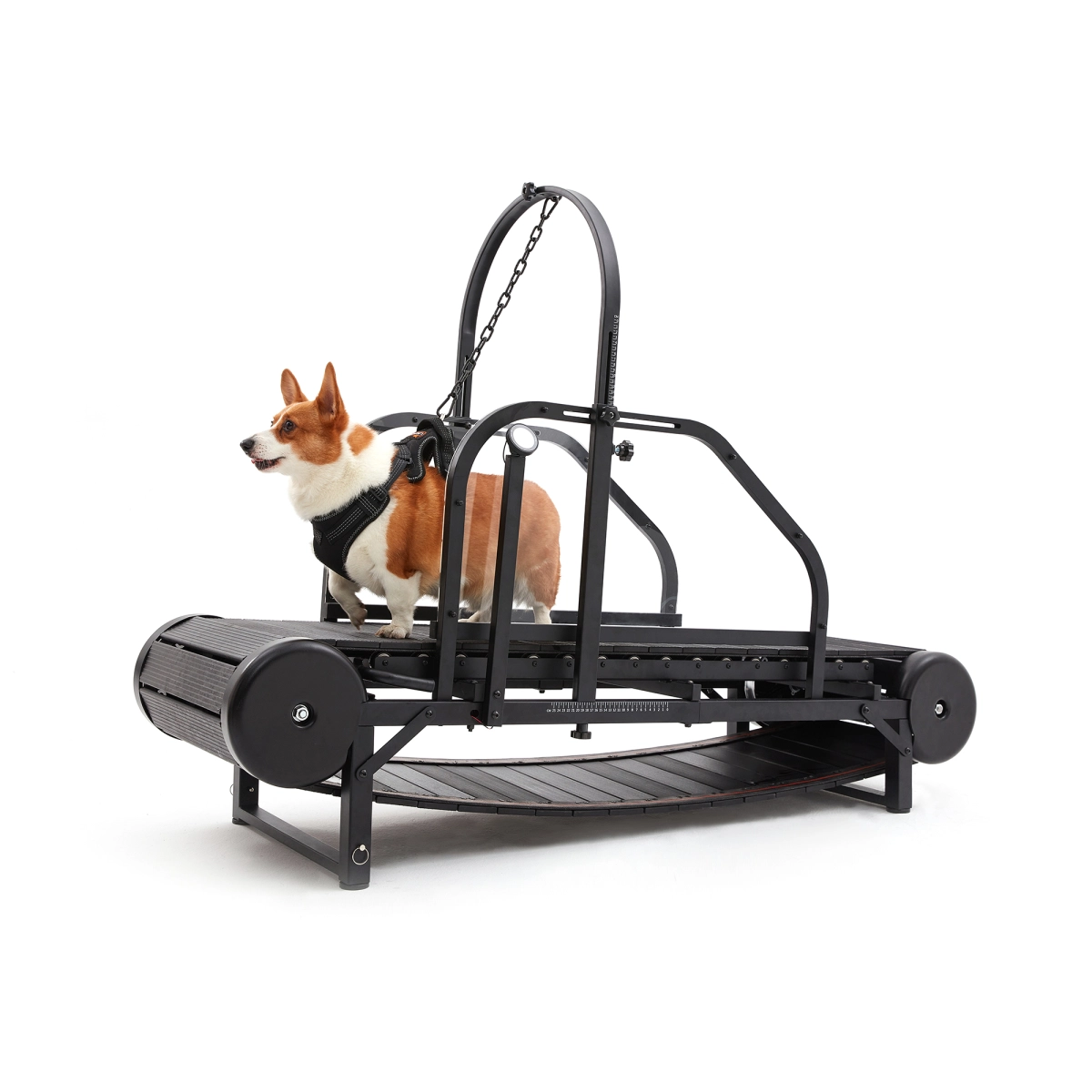
Keeping your dog active is very important for their health and happiness. Treadmill training can be a great option, especially when you can't exercise outside. It has many benefits, like better physical fitness and improved behavior. Plus, it's fun to teach your furry friend a new skill on a dog treadmill!
Key Takeaways
Treadmill training helps your dog stay healthy. It manages their weight and gives them a safe way to exercise, especially when the weather is bad.
Regular treadmill workouts can make your dog's behavior better. They can reduce anxiety and boredom, which makes your pet calmer and happier.
Use gradual training steps to help your dog learn about the treadmill. Make sure they have a good experience with short sessions and lots of rewards.
Treadmill Benefits
Physical Health
Using a dog treadmill can really help your dog's health. Regular treadmill exercise helps keep your dog at a healthy weight. This is important to avoid problems like joint pain and heart disease. Here are some key benefits:
- Weight Management: Regular treadmill workouts help your dog stay fit.
- Energy Outlet: Active dogs can burn off extra energy. This helps stop bad behaviors.
- Weather Convenience: Treadmills let you exercise no matter the weather. They are great for winter.
- Rehabilitation Aid: Treadmills can help dogs recover from injuries. They provide safe exercise that helps healing.
Treadmill exercise can help dogs lose weight better. Having a set exercise plan makes it easier for you to keep your dog healthy.
Behavioral Improvements
Doggo Treadmills training can also improve your dog's behavior. Regular exercise helps lower anxiety and boredom. These are common reasons for bad behavior in dogs. Here’s how treadmill workouts can help:
- Regular treadmill exercise can help fix behavior problems caused by boredom or anxiety. It calms dogs and keeps their minds busy, making them more eager to join in other activities.
- Exercise helps reduce anxiety and stress in dogs. It releases endorphins, which help with nervous feelings and stop anxious behaviors.
By using the treadmill, your dog can become calmer and more focused. This leads to a happier and healthier pet.
Mental Stimulation
Treadmill training also gives your dog important mental exercise. Learning to use the treadmill keeps your dog’s mind busy. This can help with boredom. Here are some benefits of treadmill exercise for mental stimulation:
- Treadmill sessions can help reduce boredom and anxiety in dogs. This leads to better behavior.
- A treadmill provides a safe place for exercise. This can help change behaviors linked to anxiety or aggression.
- Dogs that use the treadmill often show better focus and calmness.
Adding treadmill workouts to your dog's routine can help them be more balanced and well-adjusted.
During winter, treadmill training is even more helpful. It lets your dog exercise safely indoors. This helps keep their strength and heart health. You can make sure your dog gets a workout even when the weather is bad!
Dog Treadmill Types
When you pick a Dog Treadmill For Large Dogs for your dog, there are two main kinds: manual and electric. Each type has its own good points, so let’s look at them.
Manual vs. Electric
Manual treadmills need your dog to move the machine by walking or running. This means your dog decides how fast to go. This can be good for some dogs, but it might not work well for warm-ups or cool-downs. Electric treadmills, however, give controlled workouts. They move smoothly, which can help nervous dogs feel better. Here’s a quick comparison:
| Type of Treadmill | Key Outcomes |
| Electric Treadmills | Controlled workouts, help nervous dogs, smoother motion |
| Manual Treadmills | Dogs choose speed, may not suit warm-up/cool-down, easier to fix |
Safety Features
Safety is very important for dog treadmills. You want to make sure your furry friend stays safe while exercising. Electric treadmills usually have better safety features. For example, they often have an emergency stop. This feature includes a magnet on the control panel and a rope attached to your dog's collar. If your dog slows down or stops, the magnet comes off, stopping the treadmill to avoid injuries.
Here’s a quick look at safety features:
| Treadmill Type | Safety Features |
| Manual | Limited safety features |
| Motorized | Emergency stops and safety mechanisms |
Also, think about the belt length. A longer belt is important for bigger dogs. It lets them move comfortably without feeling squished. For example, a treadmill should hold weights up to 220 lbs for large breeds and fit dogs with a height of up to 31.5 inches.
Choosing the right treadmill type and making sure it has the right safety features will help keep your dog happy and healthy during their workouts! ��
Training Steps
Preparing Your Dog
Before you start Large Dog Treadmill training, you need to get your dog ready. This helps make it a good experience. Here’s how to begin:
- Introduce the Treadmill: Let your dog check out the treadmill while it’s off. This helps them get used to it without any stress. Give them treats to make it a happy time.
- Get Them Comfortable with the Sound: When your dog seems calm, turn on the treadmill at the lowest speed. Let them hear the sound without putting them on it yet.
- Guide Them On: When your dog looks ready, gently lead them onto the treadmill with a leash or harness. Don’t force them; it should feel easy for them.
- Start Slow: Keep the speed low and steady. Let your dog adjust naturally, and slowly increase the speed as they feel more confident.
- Supervise: Always watch your dog during this time. Look for signs of worry, like hesitation or heavy breathing. If your dog seems stressed, stop right away.
Tip: Start with short sessions of about 5-10 minutes. Slowly make the sessions longer as your dog gets used to it. Don’t overwork your dog to avoid injuries.
Introduction to the Treadmill
Introducing your dog to the treadmill should be fun and rewarding. Follow these steps:
- Teach the Enter and Exit of the Treadmill First: Let your dog explore the treadmill while it’s off, giving them rewards for any progress.
- Teach the Stand and Stay on the Treadmill: Gradually increase how long your dog stands on the treadmill, rewarding each success.
- Attach the Harness: Put your dog's harness on the treadmill while rewarding their good behavior.
- Build Confidence: Move from the side to the front of the treadmill while still rewarding your dog.
- Teach the Value of Turning the Unit On/Off: Slowly show your dog how to operate the treadmill, rewarding them for their interest.
- Increase Speed and Duration: Gradually change the speed and time while making sure your dog is comfortable and rewarded.
Gradual Training Techniques
Using gradual training techniques is key for successful treadmill training. Here’s how to do it well:
- Start Slowly: Let your dog get used to the treadmill while it is off, rewarding calm behavior.
- Use a Leash or Harness: Guide your dog with a leash during the introduction to help them feel safe.
- Introduce Motion Gradually: Start at the slowest speed, using treats to encourage them.
- Keep Sessions Short: Begin with 5–10 minutes and increase the time as your dog gains confidence.
- Supervise Always: Make sure your dog is never left alone on the treadmill.
- Use Commands: Teach simple commands like 'walk', 'stop', and 'off' for a better experience.
By following these steps, you can help your dog feel safe and confident on the treadmill. Remember, the goal is to make treadmill exercise a fun and rewarding part of their routine!
Training your dog on a treadmill has great benefits. It helps their physical health, makes their behavior better, and gives them mental exercise. �� So, why not begin this fun journey today? You will love watching your dog grow while keeping them healthy and happy!
FAQ
What age can my dog start treadmill training?
You can start treadmill training when your dog is at least six months old. Ensure they are physically mature enough for exercise.
How long should each treadmill session last?
Begin with 5-10 minute sessions. Gradually increase the time as your dog becomes more comfortable and confident.
Can all dog breeds use a treadmill?
Most breeds can use a treadmill, but consult your vet first. Some breeds may need special considerations for safety and comfort.
0 Comments