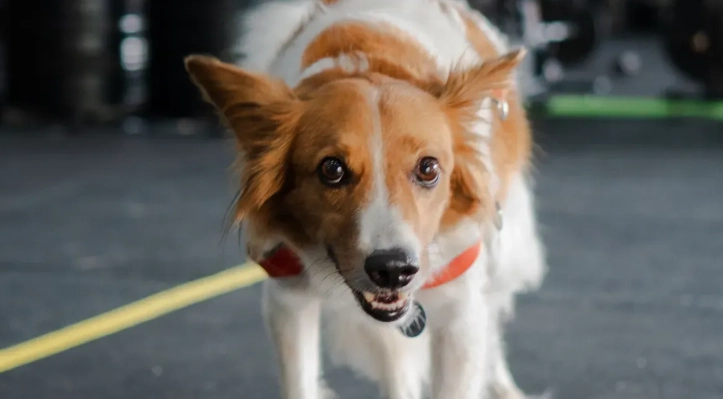
Hot weather can be dangerous for your dog. Did you know that over 80% of heat-related illnesses in dogs happen during summer months? When the temperature soars, a dog treadmill lets your dog stay active indoors. This keeps your dog healthy, helps manage weight, and gives them an energy outlet. How long should your dog use a treadmill? It depends on age, fitness, breed, and how much training they have.
Key Takeaways
- Use a treadmill to help your dog stay active inside when it is hot outside. This stops your dog from getting too hot and helps them stay healthy.
- Change how long your dog uses the treadmill based on their size, age, and how fit they are. Begin with short times and slowly make the sessions longer as your dog gets used to it.
- Watch your dog for signs of stress or getting too hot while they exercise. Give your dog lots of water and let them rest when they need a break.
Summer Exercise Needs for Dogs
Why Dogs Overheat Quickly
Dogs do not cool off like people do. They have a hard time staying cool in hot weather. Here are some reasons:
- Dogs cool down by panting, not sweating like us.
- They do not have many sweat glands, so heat stays in their bodies.
- Moving around makes dogs even warmer inside, which makes cooling harder.
Hot days make it worse for dogs. Humidity makes panting less helpful. Hot pavement can hurt their paws and make them hotter. All these things can cause heatstroke, which is very dangerous for dogs.
Indoor Workouts vs. Outdoor Risks
Exercising outside in summer can be unsafe for dogs. Here are some dangers:
| Summer Condition | Potential Impact on Dogs |
| Hot pavement | Paw pad irritation |
| Excessive sun exposure | Overheating and fatigue |
| Humidity | Reduced cooling efficiency |
| Midday exercise | Faster dehydration |
| Inconsistent activity | Restlessness and behavioral issues |
You can keep your dog safe by choosing indoor exercise. A treadmill helps your dog stay active without the heat. Indoor workouts help your dog drink enough water, avoid overheating, and breathe easier. You feel better knowing your dog is safe and happy.
Dog Treadmill Duration Guidelines
Recommended Times by Dog Size and Experience
You want your dog to get the most out of a dog slatmill, but you might wonder how long each session should last. The right duration depends on your dog's size and how comfortable they are with treadmill workouts. Check out this quick-reference table to help you decide:
| Dog Type | Beginner | Intermediate | Experienced |
| Small dogs | 5–10 min | 10–15 min | 15–20 min |
| Medium dogs | 5–10 min | 15–20 min | 20–30 min |
| Large active dogs | 10 min | 20–30 min | 30–40 min |
If your dog is new to the dog treadmill, start with shorter sessions. Let your dog get used to the movement and sounds. Dogs need time to feel comfortable with changes in speed and incline. Acclimation helps prevent anxiety and makes your dog more motivated to use the treadmill. You can use clear cues and keep the environment calm. Familiar routines help your dog focus and enjoy the workout. Stay attentive and support your dog throughout each session.
Tip: Always watch your dog closely. If your dog seems nervous or tired, stop the session and try again later.
Adjusting Duration for Age and Health
Every dog is different. You need to adjust treadmill duration based on age and health. Puppies and young dogs usually have lots of energy, but they need gradual training. Senior dogs or dogs with joint issues benefit from longer, slower walks. You should let your dog set the pace and avoid pushing too hard.
For senior dogs or those with health concerns, consult your veterinarian before starting a dog treadmill routine. Longer, gentle walks are often best. Try two 30-minute walks each day if your dog feels comfortable. Start slow and watch for any signs of discomfort. If your dog has chronic health conditions, monitor their response and adjust the duration as needed.
- Senior dogs: Aim for 30–60 minutes of exercise daily, split into shorter sessions.
- Dogs with joint issues: Choose slow, steady walks and avoid high speeds.
- Overweight dogs: Begin with short sessions and increase duration gradually.
Note: Always start any new routine slowly. Watch your dog for signs of fatigue or discomfort. Adjust the treadmill duration to match your dog's needs.
You can help your dog stay healthy and happy during summer by matching the treadmill duration to their age, health, and experience. The right routine keeps your dog safe and makes every dog treadmill session enjoyable.
Factors Affecting Dog Treadmill Training
Age Groups (Puppies, Adults, Seniors)
Your dog's age plays a big role in how they use a treadmill. Puppies have lots of energy but short attention spans. Keep their sessions short and fun. Adult dogs can handle longer workouts and may enjoy a steady routine. Senior dogs often need slower, gentler walks. Watch for signs of tiredness, especially in older dogs. Always adjust the routine as your dog ages.
Fitness and Activity Level
Every dog starts at a different fitness level. If your dog is new to exercise, begin with short sessions and build up slowly. Athletic or working dogs may need more time to burn off energy. Dogs that get bored or act out often need more activity. A regular treadmill routine helps channel that energy in a positive way.
Breed and Energy Needs
Some breeds have higher energy needs than others. For example, Border Collies and German Shepherds love to move and need more exercise. Bulldogs and similar breeds may prefer shorter, slower sessions. Tailor your dog's treadmill workouts to their breed and energy level. This helps prevent bad behavior caused by extra energy. When in doubt, ask your vet for advice on the best routine for your dog.
Health Considerations
Your dog's health always comes first. If your dog has joint pain, heart, or lung problems, talk to your vet before starting treadmill exercise. Some dogs need special plans to stay safe. Your vet can help you create a routine that fits your dog's health needs, especially during summer when heat can add extra stress.
Building a Dog Treadmill Training Routine
Start Slow and Progress Gradually
You want your dog to love dog treadmill training, not dread it. The best way to do this is to start slow and build up the intensity over time. Begin with short sessions—just 5 to 10 minutes. This helps your dog get used to the movement and sound of the treadmill. You can increase the intensity a little each week. This gentle approach keeps your dog safe and happy.
When you raise the intensity step by step, you lower the risk of injury or overexertion. Your dog’s muscles recover faster, and their joints stay stable. You also help your dog avoid swelling or other problems. Gradual changes in intensity improve flexibility and support long-term mobility. You want your dog to enjoy exercise for years to come.
Tip: Watch your dog closely. If you see signs of stress, lower the intensity or take a break.
Weekly Training Timeline
You can follow a simple plan to guide your dog treadmill training. Here’s a week-by-week timeline to help you track progress and adjust intensity:
| Week | Duration and Activity Description |
| 1 | 3-5 minute sessions to teach the dog to jump on the treadmill and walk for 3-5 minutes. |
| 2 | 6-10 minute sessions with interval training: walk 1-2 minutes, jog 3-5 minutes, walk 1-2 minutes. |
| 3 | 10-15 minute sessions incorporating incline while walking and running. |
| 4 | 15-20 minute sessions with various speeds and inclines, including warm-up and cool-down. |
| 5+ | Begin tracking distance, speed, and incline to monitor progress. |
You can see how the intensity grows each week. This plan makes dog treadmill training safe and effective. Your dog will build strength and confidence at their own pace.
Supervision and Safety During Dog Treadmill Workouts
Monitor for Stress and Overheating
You always want to keep your dog safe during treadmill workouts. Never leave your dog alone on the treadmill. Stay close and watch for any signs of stress or overheating. Some dogs may start to pant more, drool, or slow down. You might notice your dog acting tired, stumbling, or looking for water. These are signs you should stop the session right away.
Here are some important ways to monitor your dog and keep treadmill safety a top priority:
- Watch for excessive panting or trouble breathing.
- Check for dry noses, sunken eyes, or thick drool.
- Notice if your dog’s gums look bright red, gray, or blue.
- Look for muscle tremors, weakness, or dizziness.
- Stop if your dog vomits or has diarrhea.
Tip: If you see any of these signs, end the workout and let your dog rest. Quick action helps prevent injury and keeps your dog healthy.
Hydration and Rewards
Water is key for safety during exercise. Dogs lose a lot of water when they work out, especially in summer. Always give your dog fresh water before, during, and after treadmill sessions. This helps prevent dehydration and keeps your dog feeling good.
You can make treadmill time fun by offering treats and praise. Give your dog a small reward after a good session. This builds trust and makes your dog look forward to the next workout.
- Keep a water bowl nearby at all times.
- Offer small treats for calm behavior.
- Use gentle encouragement to help your dog enjoy the routine.
Remember to monitor your dog closely, provide plenty of water, and keep each session positive. These steps boost safety and help your dog get the most out of every workout.
Signs Your Dog Has Exercised Enough
Warning Signs to End the Session
You want your dog to stay safe and happy during treadmill workouts. Sometimes, your dog will show signs of distress that mean it’s time to stop. Watch for heavy panting or lagging behind. If your dog slows down, sits, or lies down suddenly, these are clear signs of overheating. Limping or favoring a leg can also signal trouble. If your dog’s paw pads look sore or worn, end the session right away.
If you notice any signs of distress, let your dog cool down and rest. Stop exercising immediately and contact your veterinarian if symptoms seem serious.
Checklist for Overexertion
You can use this checklist to spot early signs of overexertion. If you see any of these, help your dog cool down and take a break:
- Excessive panting that continues after exercise
- Loss of enthusiasm or reluctance to keep moving
- Frequent stopping or slowing pace
- Difficulty balancing or stiffness when rising
- Lethargy lasting more than a few hours
- Sore, damaged paw pads
A calm demeanor at home and settling down easily in the evening show your dog has exercised enough. Maintaining a healthy weight is another good sign. Always end treadmill sessions before your dog reaches exhaustion. You help your dog stay safe and enjoy exercise by watching for signs of distress and letting them cool down when needed.
Sample Dog Treadmill Workout Plans
Daily Exercise and Weight Management
Keeping your dog active indoors makes summer safer. You can use a treadmill to help with weight loss and daily routines. Warm up your dog with a gentle walk, then start the workout. Try slow walks for beginners. Move to walking and trotting for intermediate dogs. Advanced dogs get the most benefit by mixing inclines and intervals. Here’s a helpful table for planning your sessions:
| Level | Duration | Warm-up | Workout | Rest | Frequency |
| Beginner | 1–3 min | 1 min walk | Slow walk | 1 min | Once daily |
| Intermediate | 5–10 min | 2 min walk | Walk/trot | 2 min | 1–2 times daily |
| Advanced | 15–30 min | 3 min walk | Walk/trot/incline intervals | 3–5 min | 3 times per week |
Note: Always start slow. Watch your dog for any signs of tiredness, and let them rest whenever needed.
High-Energy Breeds and Hot Days
Dogs like Border Collies or Belgian Malinois love movement, especially when it’s too hot outside. You can challenge these breeds with longer treadmill workouts or by adding playful intervals. Mix up the pace, incline, or type of activity each session. Give your dog rest days each week to support recovery and prevent boredom.
- Plan at least one rest day for every six days of workouts.
- Try walking one day, jogging the next, and incline intervals another.
- Change routines often to keep your dog excited!
You’ll notice better health and happier dogs with variety in their summer treadmill plan.
Manual Dog Treadmill Benefits in Summer
Self-Paced Exercise for Dogs
You want your dog to feel comfortable and confident during workouts. A manual treadmill gives your dog full control over speed and movement. This makes the experience feel more natural and less stressful. Many dogs enjoy the freedom to walk, jog, or stop whenever they want. You do not have to worry about a motor forcing your dog to keep up.
- Your dog can set their own pace, which boosts safety and comfort.
- Manual treadmills promote a natural walking style, just like outdoor walks.
- The quiet operation helps dogs who get nervous around loud noises.
- You do not need special skills to use a manual treadmill. It is easy for you and your dog to learn together.
- Dogs build confidence as they get used to the equipment, making each session more enjoyable.
If you have tried dog water treadmill therapy, you know how important it is for your dog to feel in control. Manual treadmills offer a similar self-paced experience, which is great for building trust and engagement.
Safe Indoor Conditioning
Summer heat can make outdoor exercise risky. You want to keep your dog safe from hot pavement and high temperatures. Indoor treadmill workouts give you that peace of mind. Here is a quick look at why indoor conditioning works so well:
| Feature | Benefit |
| Protection from extreme temperatures | Keeps your dog safe from heat-related health issues. |
| Control over pace and length of sessions | Lets you tailor exercise to your dog's needs. |
| Safety from outdoor dangers | Reduces risks from cars, other animals, and hot surfaces. |
You can use a treadmill for regular exercise, weight management, or even as part of a dog water treadmill therapy routine. Your dog stays active, healthy, and happy—no matter how hot it gets outside.
Tip: A manual treadmill makes it easy to pause or adjust the workout whenever your dog needs a break.
Next, let’s see how the right treadmill can support your dog’s fitness all summer long.
How Ronzeil Supports Summer Dog Fitness
Features for Safe Indoor Exercise
You want your dog to be active and healthy, even when it is too hot outside. Ronzeil’s treadmill lets your dog exercise safely indoors. The treadmill does not use electricity, so your dog controls how fast they go. This makes workouts feel easy and calm. You can change the resistance and incline to fit your dog’s fitness. Side panels help stop your dog from slipping and keep them safe. The treadmill is strong and does not move, even if your dog is big or very active.
Here is a table that shows what makes Ronzeil treadmills special:
| Feature | Why It Matters |
| Self-Paced, Non-Electric Design | Lets your dog walk, trot, or run at their own speed |
| Adjustable Resistance | Matches workouts to your dog’s fitness needs |
| Side Protection | Keeps your dog safe and prevents slips |
| Heavy-Duty Construction | Supports active dogs and stays stable during exercise |
| Large Running Surface | Gives your dog plenty of room to move comfortably |
Tip: The manual brake handle helps you control the treadmill and keep things calm.
Suitable for All Dog Types
Ronzeil’s treadmill works for all dogs, from small puppies to large breeds. You can change the height, incline, and resistance to fit your dog’s needs. Dogs with lots of energy, like Labradors or Huskies, can pick their own speed. New dogs can start slow and steady, while strong dogs can try harder workouts. The treadmill has walls to keep your dog safe every time. Using the treadmill often helps your dog stay at a good weight and keeps their joints healthy. This makes it great for dogs of any age.
- Your dog can exercise inside, even if it is hot or rainy.
- You can change the settings for any size dog.
- Both new and active dogs can have safe, fun workouts.
Want to help your dog stay healthy and happy this summer? Try Ronzeil’s treadmill and let your dog enjoy safe exercise inside.
You want your dog to stay safe and happy all summer. Match treadmill time to your dog’s age and energy. Indoor workouts help you avoid heat risks, prevent bad habits, and keep your routine strong. Start slow, watch for signs of stress, and always give water. Explore safe indoor exercise today!
FAQ
Can my dog use a treadmill every day?
Yes, your dog can use a treadmill daily. Just watch for signs of tiredness and give rest days when needed.
Is 30 minutes too long for a dog treadmill workout?
For most healthy adult dogs, 30 minutes is safe. Start slow and check how your dog feels during and after each session.
Can a treadmill replace outdoor walks?
No, a treadmill helps with exercise but does not replace outdoor walks. Your dog still needs fresh air and new smells for mental health.
0 Comments