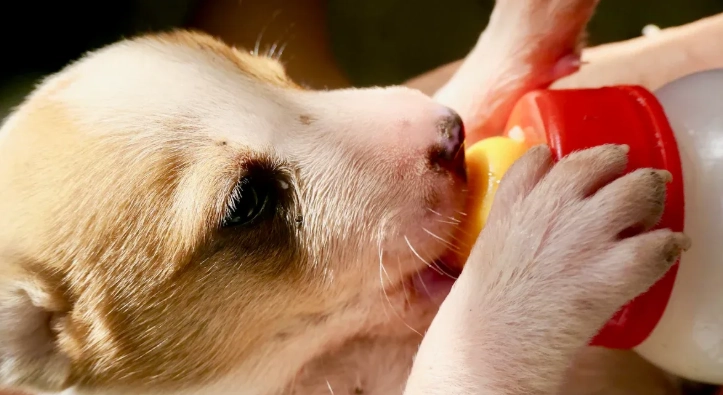
You need important vitamins like A, D, and B6 for your puppy’s healthy growth. These vitamins help bones grow strong, keep the immune system strong, and support brain function. For example, vitamin A helps bones and brains develop. It also protects airways and the digestive system. Vitamin D helps the body absorb calcium, which is important for strong bones. Vitamin B6 helps with protein use and nerve function. Giving these vitamins early helps your puppy grow well and stay healthy for life.
| Vitamin | Impact on Health |
| A | Helps bones and brain grow; protects airways and digestion. |
| D | Helps absorb calcium and grow bones; balances calcium and phosphorus. |
| B6 | Helps with protein use, immune health, and brain nerves. |
A 2021 study showed that nutrition can help dogs think better. This shows how vitamins are important for brain health.
Key Takeaways
- Puppies need vitamins A, D, E, and B for healthy growth. These vitamins help bones grow strong, boost the immune system, and support brain development.
- Vitamin A is important for good vision and a healthy immune system. Make sure your puppy gets enough to prevent problems like night blindness and dry skin.
- Vitamin D helps the body absorb calcium. Calcium is important for strong bones. Not getting enough can cause weak bones and growth issues.
- B vitamins are important for energy and brain health. A good diet with meat, eggs, and greens can give these nutrients.
- Talk to your veterinarian to make sure your puppy's diet is right. They can suggest dog supplements if needed.
Essential Vitamins for Puppy Growth
Vitamin A Benefits
Vitamin A is very important for your puppy's health. It helps with vision, the immune system, and overall growth. This vitamin is needed for making photoreceptor cells in the retina. These cells are key for clear vision. Also, vitamin A keeps the eye healthy. It helps parts like the cornea stay in good shape.
Vitamin A also boosts the immune system. It helps immune cells, like T and B lymphocytes, grow and work well. This vitamin protects against germs by keeping mucosal surfaces strong. Here are some main benefits of vitamin A:
- Supports vision development.
- Enhances immune system functionality.
- Maintains healthy skin and coat.
If your puppy does not get enough vitamin A, you might see signs like night blindness, dry skin, and more infections. These signs mean your puppy may not be getting the nutrients needed for good growth.
Vitamin D for Bone Health
Vitamin D is key for strong bones and overall health in puppies. It helps the body absorb calcium, which is important for bone growth. Without enough vitamin D, your puppy may have trouble building strong bones, which can cause growth problems.
Veterinarians suggest a daily amount of 3.4 µg of vitamin D for puppies. This vitamin helps absorb calcium and keeps calcium and phosphorus levels balanced. Not getting enough vitamin D can cause serious health issues, such as:
- Delayed growth.
- Weak bones.
- Increased risk of fractures.
Making sure your puppy gets enough vitamin D will help their bones stay strong and support good growth.
Vitamin E and Immune Support
Vitamin E is another important nutrient for your puppy's health. It works as a strong antioxidant, protecting cells from damage by free radicals. This vitamin helps the immune system, allowing your puppy to fight off infections and illnesses.
The daily amount recommended for vitamin E in puppies is 8 mg. Not getting enough of this vitamin can lead to health problems, including:
- Poor coat condition.
- Weakness and tiredness.
- Reproductive issues.
By giving your puppy enough vitamin E, you can help them keep a strong immune system and a healthy coat.
| Vitamin | Recommended Allowance |
| Vitamin A | 379 µg |
| Vitamin D | 3.4 µg |
| Vitamin E | 8 mg |
B Vitamins and Puppy Nutrition
Key B Vitamins for Growth
B vitamins are very important for your puppy’s energy. They help turn food into energy. This keeps your puppy active and helps them grow. These vitamins also help the nerves and brain develop. This is important for learning and coordination.
Here is a table showing the main B vitamins and what they do for energy and brain health:
| B Vitamin | Role in Energy Metabolism and Neurological Development |
| B1 (Thiamine) | Helps with breaking down carbs and normal nerve signals; not enough can cause issues if your puppy doesn’t eat well for a long time. |
| B2 (Riboflavin) | Helps make energy in cells and supports antioxidants. |
| B3 (Niacin) | Helps produce energy and keeps skin healthy. |
| B5 (Pantothenic Acid) | Part of coenzyme A, which is key for fat breakdown. |
| B6 (Pyridoxine) | Important for breaking down proteins and making brain chemicals, linking it to nerve health. |
| B7 (Biotin) | Supports healthy skin, coat, and keratin. |
| B9 (Folate) |
B9 (Folate) Helps make DNA and red blood cells; gut issues can affect how well it is absorbed. |
| B12 (Cobalamin) | Key for nervous system health and making red blood cells; low levels often relate to digestive issues. |
These vitamins work together to keep your puppy healthy. For example, B6 helps the brain grow and supports the immune system. Biotin keeps the coat shiny and skin healthy. If your puppy doesn’t get enough B vitamins, they might feel tired, have a dull coat, or show nerve issues.
Food Sources of B Vitamins
You can give B vitamins through a balanced diet with different foods. Many animal-based foods have high levels of B vitamins. Here is a table listing common food sources for each B vitamin:
| Vitamin | Food Sources |
| B1 (Thiamine) | Whole grains, brown rice, yeast, pork, poultry |
| B2 (Riboflavin) | Organ meats, dairy products, green leafy vegetables |
| B3 (Niacin) | Chicken, turkey, fish, eggs |
| B5 (Pantothenic Acid) | Organ meats, whole grains, fresh vegetables |
| B6 (Pyridoxine) | Chicken, fish, turkey, pork, eggs |
| B7 (Biotin) | Egg yolks, liver, sweet potatoes, carrots |
| B9 (Folic Acid) | Liver, dark green leafy vegetables, whole grains |
| B12 (Cobalamin) | Animal products, organ meats, fish, dairy |
You can add these foods to your puppy’s meals to make sure they get enough B vitamins. Lean meats like chicken and turkey, eggs, and organ meats like liver provide many B vitamins. Leafy greens and whole grains add important nutrients too.
Note: Both homemade and store-bought diets can sometimes lack enough B vitamins, especially thiamine. Homemade diets often miss key nutrients if not balanced well. Always check your puppy’s diet to avoid missing nutrients that can affect their growth and health.
Feeding your puppy a diet rich in B vitamins helps their energy, brain growth, and overall health. This helps your puppy grow into a strong and happy adult dog.
Omega-3 Fatty Acids for Brain Development
Importance of DHA and EPA
DHA (docosahexaenoic acid) and EPA (eicosapentaenoic acid) are very important for your puppy's brain growth. These omega-3 fatty acids help with thinking skills. DHA is a big part of the fatty acids in the brain. In the first 60 days after birth, your puppy's brain grows quickly. This time is very important for DHA in food to help thinking skills.
Studies show that more DHA in food leads to higher levels in the brain. This helps with learning and memory. A study by Dahms et al. found that certain amounts of DHA can greatly increase brain DHA in puppies. The good effects can last even after you stop giving it.
Here are some benefits of getting enough omega-3 fatty acids:
- Anti-Inflammatory Properties: Omega-3s help lower swelling in the brain, slowing down thinking problems.
- Neuroprotective Effects: DHA helps brain cells stay healthy, improving thinking skills.
- Enhanced Cognitive Function: Puppies that get omega-3s have better memory and problem-solving skills.
- Mood Regulation: Omega-3s can help reduce anxiety and sadness, leading to better behavior.
- Delayed Onset of Cognitive Decline: Regular intake may help keep thinking skills longer.
Natural Sources of Omega-3s
You can give omega-3 fatty acids through different natural foods. Here are some great choices:
- Fish Oil: A strong source full of EPA and DHA, good for your puppy's health.
- Krill Oil: Comes from small sea animals, known for being easy to absorb and having antioxidants.
- Flaxseed Oil: Has ALA, a plant-based option that can change into EPA and DHA.
- Chia Seeds: A plant-based source that adds fiber and nutrients to your puppy's meals.
Adding these foods to your puppy's diet can greatly help their brain growth and overall health.
Best Dog Vitamins for Puppies
Choosing Quality Supplements
When picking the best dog vitamins for your puppy, focus on quality. Look for supplements that meet certain standards to make sure they are safe and work well. Here’s a helpful table to guide your choices:
| Criteria | Description |
| Clear Ingredient Labeling | Good products show all ingredients with exact amounts. They do not use vague blends. |
| Avoid False Claims | Be careful of products that say they can cure diseases or promise quick results. |
| Transparency | If a product lacks clear ingredient lists, it is a warning sign. |
| Quality of Ingredients | Choose USA-made supplements for better quality and safety. |
| Artificial Additives | Stay away from products with fillers, fake flavors, dyes, or chemical preservatives. |
| AAFCO Compliance | Checking if a product meets AAFCO standards can help ensure safety and proper labeling. |
Choosing good canine supplements can help your puppy grow strong. Always talk to your vet before starting any new supplements.
Signs of Vitamin Deficiency
Noticing signs of vitamin deficiency in your puppy is very important for their health. Finding these signs early can stop serious health problems. Here are common signs to look out for:
| Sign Category | Common Signs and Early Identification Indicators |
| Changes in Coat and Skin Health | A dull or thin coat, dry or irritated skin, bald spots, and too much licking or scratching. Early signs include a dull coat or skin irritation. |
| Digestive Irregularities | Ongoing diarrhea or constipation, vomiting without other reasons, gas, or bloating. Long-lasting digestive issues may mean nutrient absorption problems. |
| Lethargy and Weakness | Low energy, not wanting to play, feeling tired, or trouble staying active. Pale gums may show anemia from vitamin shortages. |
| Poor Growth and Development | Smaller than littermates, limb problems, trouble walking, late teeth coming in, or weak muscles. This shows a lack of calcium, phosphorus, or vitamin D. |
| Frequent Illness or Slow Recovery | Getting sick often, slow healing of wounds, swelling, or repeated fevers. This suggests weak immunity from missing vitamins C, E, zinc, or selenium. |
By watching for these signs, you can make sure your puppy gets the vitamins they need for healthy growth and development.
Ensuring Balanced Puppy Nutrition
Nutritional Needs of Growing Puppies
A balanced diet is very important for your puppy's growth. Puppies need different nutrients than adult dogs. The Association of American Feed Control Officials (AAFCO) says puppies need at least 22% protein and 8% fat in their food. These nutrients help them grow well and have energy. Here’s a quick look at the important nutrients:
| Nutrient | Requirement for Puppies |
| Protein | 22% |
| Fat | 8% |
| Calcium | Higher than adults |
You also need to make sure your puppy's food has essential vitamins and minerals. These nutrients help build strong bones, support the immune system, and keep skin and coat healthy. A complete and balanced diet that fits your puppy's breed, age, and activity level is very important. Not getting enough nutrition can cause slow growth and health problems later on.
Consulting Your Veterinarian
Your veterinarian is very important for checking your puppy's nutrition needs. They can find any missing nutrients and suggest good dog supplements if needed. Personalized plans can help fill in dietary gaps and address health issues.
When choosing puppy food, think about these factors:
- Make sure the product meets nutritional guidelines.
- Check if vitamins, especially B vitamins, are easy to absorb.
- Look at the type of diet (plant-based vs. meat-based) to ensure all vitamins are included.
By talking to your veterinarian, you can make smart choices about your puppy's nutrition. This will help them grow into a healthy adult dog.
Remember, a balanced diet helps with physical growth and also improves brain development and energy levels.
Vitamins are very important for your puppy's growth and health. They help avoid problems as your puppy grows. They also support strong bones, a healthy immune system, and good brain function.
- Make sure your puppy eats a balanced diet with essential vitamins. This is better than just using supplements.
- Think about your puppy's age, breed, and health when picking their food.
Talking to your veterinarian helps you meet your puppy's special nutrition needs. Adjusting vitamin intake can help your dog be healthier and happier in the future.
Remember, good nutrition now helps your puppy grow into a strong adult dog!
FAQ
What vitamins do puppies need for growth?
Puppies need vitamins A, D, E, and B vitamins to grow healthy. These vitamins help bones grow, keep the immune system strong, and support brain health. A good diet with these nutrients is very important for your puppy's health.
How can I tell if my puppy has a vitamin deficiency?
Watch for signs like a dull coat, low energy, slow growth, or getting sick often. If you see these signs, talk to your veterinarian. They can check your puppy's diet and suggest changes or supplements.
Can I give my puppy human vitamins?
Do not give your puppy human vitamins without asking your vet first. Some human vitamins can be bad for dogs. Always use dog-specific supplements to keep them safe and ensure the right amount.
How often should I feed my puppy?
Feed your puppy three to four times a day until they are six months old. After that, you can cut back to two meals a day. Regular feeding helps keep their energy up and supports growth.
When should I start giving my puppy supplements?
Start giving supplements only if your vet says to. A good diet usually has all the nutrients your puppy needs. If your puppy has health issues or special diet needs, your vet can recommend the right supplements.
0 Comments