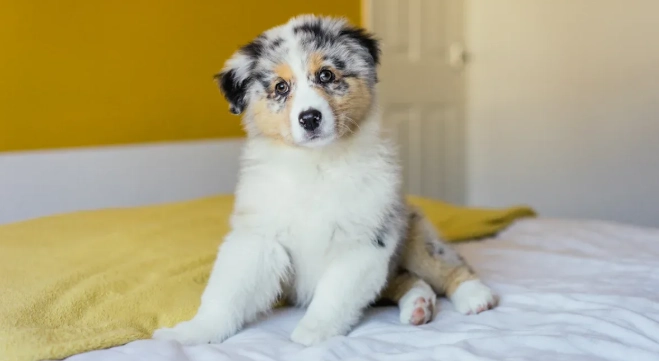
Many people think Australian Shepherds are outdoor dogs. They have lots of energy. But, an Australian Shepherd can be a great indoor pet. You need to meet their needs. Then they can live well inside. They need to exercise often. They need to think. They need training. They love their family a lot. Australian Shepherds like to be with people. They like being close to their owners. These dogs are happiest with their family. An Australian Shepherd needs much attention. They are like "velcro dogs." This blog will help you. It will show you how to have an Australian Shepherd indoors. This includes living in an apartment. You will learn to handle their special ways.
Key Takeaways
Australian Shepherds can live indoors. They need lots of exercise and mental games every day.
These dogs are very smart. Give them puzzle toys and training to keep their minds busy.
Australian Shepherds love their families. They need much attention and do not like being alone for long.
They shed a lot. Brush them often to keep your home clean.
Training helps with their herding habits and barking. This makes them good indoor pets.
Understanding Australian Shepherd Traits
You must know their main traits. This is key to having an Australian Shepherd indoors. These traits affect how they act. They also affect what they need.
High Energy Needs
Australian Shepherds are working dogs. They have lots of energy. They need to use this energy. Your dog needs to move a lot each day. If not, they may chew things. They might run around a lot. They may bark at nothing. This is from boredom. They might dig too. A dog with too much energy is hard to handle. They may not pay attention. This makes training hard. Give them enough exercise. This makes for a happy indoor dog.
Intelligence and Mental Needs
An Australian Shepherd is very smart. They need more than just running around. They need to think too. Give your dog puzzle toys.
The Rolling Drum Treat Dispenser gives treats. Your dog bats it.
The Triple Layer Dog Puzzle Board is very hard. It has spinning layers. You can also play games inside.
Kongs with treats keep them busy.
Clicker training for tricks is good for their minds. These things stop boredom. They keep your smart dog busy.
Herding Instincts Indoors
Australian Shepherds are working dogs. They like to herd. Inside, they might try to herd people. This is true for kids. They might nip at heels. They might circle them. You can change this behavior. Teach your dog to 'Leave It'. Teach them to 'Wait'. These are impulse control exercises. 'Watch Me' helps them focus. Basic commands like 'sit' and 'stay' help. You can also control their space. Use baby gates. This keeps them from things that trigger herding. You can teach calm actions. Use positive rewards. A dog that exercises and thinks is better behaved.
Living with an Australian Shepherd Indoors
You can successfully manage an Australian Shepherd inside your home. This requires practical strategies and a commitment to their daily needs. You must provide essential provisions.
Daily Exercise Regimen
Your Australian Shepherd needs consistent physical exercise. This is crucial for their well-being. Plan for at least 60 to 90 minutes of vigorous activity every day. This can include brisk walks, running, or playing Automatic Ball Thrower For Dogs in a secure yard. You can also take your dog to a dog park. This helps them burn off excess energy. A tired dog is a well-behaved dog. Meeting their exercise needs prevents boredom and destructive behaviors.
Indoor Mental Engagement
Your Australian Shepherd is smart. They need more than just physical activity. You must provide mental stimulation indoors. This keeps their minds sharp and prevents boredom.
Here are five top indoor mental enrichment activities for your dog:
Play Hide-and-Seek: This game makes your dog think. It uses their scent work skills.
Go “Find It”: Hide toys or treats. Your dog uses their nose to find them. This builds problem-solving skills.
Play With Puzzles and Interactive Toys: These toys make your dog work for treats. They offer long-lasting mental stimulation.
Munch on Frozen Treats: Frozen treats give your dog a challenge. They lick and melt the treat. This provides entertainment.
Scatter Feeding: Hide your dog's dry food around the house. You can also use a snuffle mat. This encourages nose work during meal times.
You can also implement scent work and nose games. These are great for indoor activity.
Start with a high-value treat.
Hide the treat in a scent container. Use cardboard boxes or plastic cups.
Begin with only one or two containers. This helps your dog succeed.
Keep your dog away while you hide the treat. Let them watch you at first.
Guide your dog if they struggle.
Reward your dog right away when they find the treat. Praise them for their success.
Add more boxes as your dog learns. Only one box should have the reward.
You can also try AKC scent work at home:
Gather supplies: high-value treats, birch oil, cotton swabs, gloves, and small jars.
Prepare the scent: Put two drops of birch oil on two cotton swabs. Place them in a glass jar.
Introduce the scent: Let your dog smell the scent vessel. Reward them each time they smell it.
Introduce containers: Place a swab in a plastic jar. Let your dog smell it.
Hide and find: Hide the jar. Reward your dog when they find it.
You can also use nosework toys. You can buy these for small spaces. Play different nosework games. Use various objects like cups or bowls to hide rewards. Make a DIY nosework toy. Place tennis balls on a muffin tin. Hide a reward under one. Let your dog sniff it out.
Training and Socialization
Consistent training and socialization are vital. They help your Australian Shepherd become a well-adjusted indoor dog. Start socialization training early. Some breeders begin exposing puppies to noises around two weeks old. This helps them adapt to different sounds. It builds a "roll with the flow" temperament. Enroll your puppy in obedience classes. This teaches them good manners. It also exposes them to other dogs and people. Continue training throughout their life. This strengthens your bond. It also keeps their minds active.
Designated Space and Routine
Your Australian Shepherd needs their own designated space. This provides comfort and security.
Safe Space: Establish a safe area. This can be a crate, a playpen, or a puppy-proofed room.
Crate Training: A crate acts as a safe haven. Make it a positive experience with treats.
Playpen: This is an alternative to a crate. Fill it with toys, water, and comfortable bedding.
Essential Supplies: Gather necessary items for their well-being.
Food and Water Bowls: Use sturdy, non-slip bowls.
Crate: Choose a crate large enough for your dog to stand, turn, and lie down.
Bedding: Provide cozy, washable, and durable bedding.
Toys: Offer a variety of Spring Pole Dog Toys For Tug Of War, balls, and puzzle toys. These provide mental stimulation.
Consider a crate cover. This creates a den-like environment. It reduces visual stimulation. A straightforward bolster bed for the crate is good. Avoid too much bedding at first.
Apartment Living Considerations
Living with an Australian Shepherd in an apartment is possible. However, it requires extra effort. You must meet all their needs. Australian Shepherds have high energy levels. They need daily exercise. They are generally not recommended for apartment living without access to outdoor spaces. Without enough activity, they may develop destructive behaviors. They might also become unhealthy due to boredom.
You can make apartment living work. You must commit to their exercise and mental stimulation.
Long walks are essential. They burn off energy.
Visit off-leash, fenced dog parks. Play fetch or frisbee there.
Doggie daycare provides regular exercise and socialization.
Play fetch and wrestle inside your apartment. This can be effective.
Engage them with tricks and games. This keeps their minds active.
Using a Doggo Treadmills allows the dog to exercise in a limited space, which is convenient for consuming its energy This allows more movement.
Common Challenges for Indoor Australian Shepherds
Living with an Australian Shepherd indoors brings many joys. However, you might face some common challenges. These issues often happen when your Australian Shepherd's needs are not fully met. Understanding these problems helps you find good solutions.
Destructive Behaviors
Your Australian Shepherd might chew on things they should not. This is a common destructive behavior. Chewing is a natural instinct for dogs. They do it to explore their world. It also helps them relieve boredom, anxiety, or fear. Sometimes, your dog chews to get your attention. Young puppies might chew due to teething discomfort. A lack of proper training can also lead to chewing problems. High-energy breeds like Australian Shepherds need enough exercise and mental stimulation. Without these, they might chew more. Boredom and stress are big reasons for destructive chewing. Make sure your dog has plenty of appropriate chew toys.
Managing Barking
Australian Shepherds are vocal dogs. They tend to be alert barkers. This means they bark to tell you about things. This can be a big concern, especially if you live in an apartment. You can teach your Australian Shepherd to bark less.
Here are some ways to reduce alert barking:
The Caught You Method:
Have your dog's favorite treats ready.
Let your dog bark, but watch them closely.
The moment your dog stops barking, praise them and give a treat. Repeat this often. This teaches them that stopping barking brings rewards.
Once they understand, add the word 'Quiet' when they stop barking. Follow with praise and treats.
Slowly increase the time your dog must be quiet before getting a treat.
The Tell Me About It Method:
Use a leash for better control during training.
If your dog knows 'speak', tell them to bark. Then, firmly say 'quiet'.
Wait for your dog to stop barking on their own. Then, reward them with a treat and praise. Practice this for several days.
Increase the time between when your dog stops barking and when they get a treat.
Keep training until your dog only barks when you allow it or when it is truly important.
The Show Him Your Back Method:
Prepare treats.
Take your dog to places where they usually bark a lot.
When your dog starts barking, turn your back. Ignore the barking completely.
The second your dog stops barking, turn around. Give praise and a treat.
Repeat this often. Slowly make your dog stay quiet longer before getting a treat.
Teaching the 'Quiet' command is a good start. If your dog barks from boredom, give them engaging activities. A Pet Tutor or Auto Trainer can give treats for quietness. A Kong stuffed with treats also helps. If fear or oversensitivity causes barking, use desensitization. If your dog barks for attention, do not reward it. Instead, stop the barking. Reward polite behaviors, like sitting quietly for attention. Counterconditioning also works well. This changes your Australian Shepherd's emotional response to triggers. For example, if they bark when someone comes to the door, you can make them feel positive about it instead.
Separation Anxiety
Australian Shepherds are "velcro dogs." They love being with their people. This strong bond means they can develop separation anxiety if you leave them alone too often. This emphasizes their need for companionship.
You might notice several signs of separation anxiety:
Constant barking, howling, or whining.
Extreme restlessness, pacing, or panting.
Going to the bathroom indoors, even if house-trained.
Destroying possessions or your home.
Vomiting or ignoring food when alone.
Being overly excited or jumpy when you return home.
Clinginess when you are home.
You can help your Australian Shepherd with separation anxiety. Gradual desensitization is one method. You slowly expose your dog to being alone for longer times. Start with very short periods. Then, slowly make them longer. Counterconditioning also helps. This makes alone time a positive experience. Give your dog treats, toys, or interactive games when you leave.
You can also desensitize your dog to triggers. Identify actions that make your dog anxious. These might be grabbing your keys or putting on your coat. Do these actions repeatedly. Then, immediately reverse them. For example, grab keys, walk out, and come back in 5 seconds. Do this until your dog gets bored. You can also use your scent and sound. Leave items with your smell, like a used t-shirt. Play recordings of your voice. This makes your dog feel like you are nearby. It helps reduce anxiety when you are away.
Shedding Management
Australian Shepherds have a thick double coat. This means they shed moderately to heavily every day. You will find fur on your clothes, bedding, and floors. They shed even more during spring and fall. This is when they 'blow their coat' to get ready for new seasons. During these times, you will see a big increase in shedding.
Stress and anxiety can also cause more shedding. A new pet, a child, or changes in routine can stress your Australian Shepherd. This leads to more fur loss. Skin allergies or mites can also cause shedding. If you suspect these, see a veterinarian. Changes in food can also cause shedding if your dog is allergic to ingredients. More serious health problems can also cause excessive shedding. If you see behavioral changes with shedding, visit your vet.
To manage shedding indoors, regular grooming is key. You will need the right tools:
A slicker brush for daily brushing.
An undercoat rake is very important. Use it to remove dead undercoat during shedding seasons.
A metal comb helps find any tangles you missed.
A bristle brush for finishing touches.
A de-shedding tool can help during heavy shedding. Use it carefully to avoid damaging the coat.
Slicker brushes work through the outer coat. They gently grab loose fur. Undercoat rakes reach deep into the dense undercoat. They remove large amounts of loose fur. Pin brushes are good for daily touch-ups. They spread natural oils and smooth the coat. A metal comb is essential for thick Aussie coats and tangles. Avoid plastic combs. De-shedding tools are effective but use them sparingly.
Australian Shepherds can live inside. They are not lazy dogs. You must meet their needs. Give them exercise. Make them think. Train them often. Include them in your family. These dogs love their people. They are good indoor friends. You must meet their needs. Your dog will do well. They will be a loving family member. They can live indoors.
FAQ
Can an Australian Shepherd live in an apartment?
Yes, an Australian Shepherd can live in an apartment. You must give them enough daily exercise. They also need mental games. Without these, they might break things. Apartment life needs extra work from you. This meets their high energy needs.
How much exercise do indoor Australian Shepherds need?
Your indoor Australian Shepherd needs 60 to 90 minutes of strong exercise daily. This means fast walks. It also means running. Or playing fetch. Mind games and training also use energy. A tired dog acts better inside.
Do Australian Shepherds shed a lot indoors?
Yes, Australian Shepherds shed a lot inside. They have thick fur. You will find hair on clothes. You will find it on floors. Brush them often. Use an undercoat rake. This helps with shedding.
Are Australian Shepherds good with children indoors?
Australian Shepherds can be good with kids inside. They are loyal family dogs. You must watch them together. Their herding urge might make them nip. Good training helps them be gentle with kids.
0 Comments