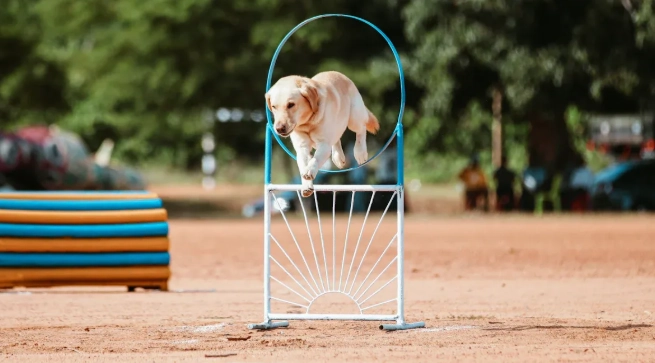
Your Labrador has lots of energy. Your dog needs to exercise often. Bad weather can make outdoor workouts hard. A doggo treadmill is a great answer. It gives a safe place for your dog to move. This helps many dogs get enough exercise. You will learn to use a treadmill well. This keeps your dog healthy and happy.
Key Takeaways
A dog treadmill helps your Labrador get exercise indoors, no matter the weather.
Choose a treadmill that fits your Labrador's size and weight, and has good safety features.
Introduce your dog to the treadmill slowly, using treats and praise to make it a good experience.
Always watch your dog during treadmill use and stop if they show signs of being too tired or hurt.
Why a Dog Treadmill for Your Labrador's Exercise Needs
A doggo treadmill helps your Labrador. It lets you control your dog's activity. This tool keeps your dog healthy.
Meeting High Energy Needs
Labradors have lots of energy. They need to move a lot. Your Labrador likes to run. Labradors are active dogs. Akitas and Golden Retrievers are too. Many Labradors do not move enough. A study found few Labradors exercised enough. A treadmill gives your dog needed exercise. It helps use up extra energy.
Weather-Independent Workouts
Bad weather can stop exercise. Rain, snow, or heat make it hard. A treadmill fixes this problem. You can exercise your dog inside. Your Labrador stays active daily. Your dog gets exercise no matter the weather.
Controlled Exercise Environment
A treadmill is a safe space. You pick the speed and time. This safe place lowers risks. No bad ground or distractions. It keeps your dog healthy. Treadmill exercise helps your dog think well. This routine helps overweight dogs. It also helps dogs needing a plan.
Rehabilitation and Training Benefits
A treadmill helps with healing. If your dog is hurt, controlled movement is good. Treadmill time builds strong muscles. It makes them last longer. This movement is gentle on sore joints. It lessens pain and helps them move. A treadmill speeds up healing. It allows safe, gentle exercise. Underwater treadmills are good too. A regular treadmill is also controlled. It helps your dog get strong. It helps them move better. This controlled place is good for training. You can teach your dog to walk steadily.
Choosing the Right Dog Treadmill
Selecting the correct Doggo Treadmills for your Labrador is important. You want a machine that fits your dog and keeps them safe. Consider these key factors when you shop.
Size and Weight Capacity
You must pick a treadmill that fits your Labrador's size. A good treadmill will support your dog's weight. Most adult Labradors need a treadmill with a 300-pound weight capacity. A length of 63 inches is usually good for medium-sized dogs like Labradors. If your dog weighs over 250 pounds, look for a larger treadmill. A 500-pound capacity and a 78-inch length will give your dog more room to move.
Motor Strength and Speed
The motor is the heart of the treadmill. A strong motor ensures smooth and consistent operation. This prevents jerky movements that can scare your dog. Look for a treadmill that offers various speed settings. You can adjust the speed to match your dog's fitness level. This allows for gentle walks or more energetic jogs.
Essential Safety Features
Safety is very important when using a treadmill. Look for features that protect your dog. A good treadmill has side fences to keep your dog on the belt. An emergency stop button is crucial. It lets you halt the machine quickly if needed. A leash tie bar helps keep your dog secure. The running belt should be wide, non-slip, and shock-absorbing. This protects your dog's joints and muscles. Adjustable speed controls also prevent your dog from overexerting itself.
Noise Level for Comfort
Some dogs are sensitive to noise. A loud treadmill can make your dog anxious. Look for models designed for quiet operation. A quieter machine helps your dog feel more comfortable. This makes them more willing to use the doggo treadmill for their exercise.
Introducing Your Dog to a Treadmill Safely
It takes time to get your Labrador used to a doggo treadmill. Be gentle. Your dog should feel safe. This builds trust. It makes treadmill training good.
Familiarization with the Machine Off
First, let your dog see the Dog Treadmill For Large Dogs. Put it where they can see it. Do not turn it on. If your dog is scared, take them away. Play a fun game. Do this until the treadmill seems normal.
Next, help your dog stand on it. Once they are okay with it, gently put them on. The treadmill should be off. Praise your dog right away. Then, take them off to play. Do this daily. Your dog will stand on it easily. This helps them get on it.
Last, get your dog to move. Put a harness on your dog. Attach them to the treadmill. Stand in front and call them. Get them to move their paws. If they do not move, still praise them. Then, take them off. Do this until they walk on the treadmill.
Positive Reinforcement Techniques
Good rewards help with treadmill training. Your dog should like the Large Dog Treadmil.
Treats and Praise: Give treats and praise. Do this when they show interest. This means sniffing or stepping on it. This makes them like the treadmill.
Gradual Introduction: Let your dog explore slowly. Do this in a quiet place. Do not rush them. Some dogs need many days. Use treats and praise. Help them get used to it.
Toys: Use your dog's favorite toys. This keeps them busy. Do this during treadmill time.
Varying Workouts: Make it more fun. Change speeds. Add hills. Try new things. Use toys or screens. This keeps them interested. They will look forward to it.
An expert said, "The dog may need to learn to use the machine. Use good rewards. These methods help them." A good harness is also best. You or someone else should help. This keeps them safe.
Starting Slow and Short Sessions
When your dog first uses a moving treadmill, start slow. Turn it on very low. Run it for only two seconds. Then, turn it off. Slowly do it longer. Do this as your dog gets used to it. First treadmill times for your Labrador should be slow. Stop often. This helps them get used to moving. Keep these times short. Do not run for more than 10 minutes. Do not work out for more than 20 minutes. Cut the time in half for unfit dogs. Always watch your dog. Never leave them alone.
Leash Guidance for Initial Security
Use a leash to guide your dog. This keeps them safe at first. Gently pull the leash forward. Point it toward the treadmill. This helps them move. A harness is safer than a collar. It is more comfy. It does not hurt their neck.
Gradual Increase in Duration and Speed
When your dog is ready, make it longer. Also, make it faster. For big dogs like Labradors, follow rules. Aim for 15–20 minute sessions. The fastest speed should be 3.5 mph. Do this 5–6 times a week.
Here is a plan for your dog each week:
Monday – The Energizer Session: Start at 2.0 mph to warm up. Go up to 3.5 mph. Trot for 10 minutes.
Wednesday – The Brain-and-Body Workout: Do interval training. Go 2 minutes at 2.0 mph. Then 1 minute at 3.5 mph.
Friday – The Mountain Climber: Add a small hill. Make it 1-2% steep. This builds strength.
The Weekend – Freedom Days: Do other fun things. Go swimming. Take sniff walks. Visit the park. This makes it fun. It stops boredom.
Remember, be patient. This can take days or weeks. It depends on your dog. Not all dogs like treadmills. Start slowly. This stops them from being scared.
Effective Workouts to Exercise Your Dog
You can give your Labrador great workouts. Use a treadmill. Regular walking helps. Light jogging helps too. It lessens strain on their joints. This makes them feel better.
Warm-up and Cool-down Importance
Always warm up your dog. Do this before treadmill exercise. It gets muscles ready. Start with a slow walk. Do this for 5 minutes. This gets blood flowing. It prepares their joints. Cool down after the workout. Walk your dog slowly. Do this for another 5 minutes. This helps their heart rate. It prevents stiff muscles. Warm-up and cool-down are vital. They keep your dog healthy.
Tailoring Workout Intensity
Adjust the workout intensity. Do this for your dog. Think about their age. Consider their fitness. Think about their health. This makes exercise safe. It makes it effective.
Puppies (under 3 months): Your puppy should play. Play around the house. Watch them closely. Do not let them overdo it. This protects their joints. Stop playtime if they need rest.
Puppies (after 3 months and vaccinated): Start with short walks. Make them gentle. Walk outside. Slowly walk longer. Do this as they grow.
Adult Labradors: A healthy adult dog needs exercise. They need at least 80 minutes daily. Some dogs need more. Some need less. Adjust this for your dog. Include off-lead time. Include fetch. Include swimming. These raise their heart rate. They burn calories.
Senior Labradors: Their exercise needs change. This happens with age. They may have less energy. Do not stop exercise completely. Only stop if your vet says so. Limit hard activities. Do not run fast. Encourage gentle exercise. Gentle walking is good. Swimming is a good choice. Watch for signs of overdoing it. Look for heavy panting. Look for changes in movement.
General Health Conditions: Talk to your vet first. Do this before setting exercise goals. This is for dogs with health issues. This includes obesity. Avoid hard activities. Do this if your dog has joint problems. Slowly increase activity. Do this for all dogs. This builds their fitness. This is important for hard activities. Like hiking.
Adult Labradors need exercise. They need 30 minutes to 2 hours daily. This depends on their activity. Walking is good. Running is good. Fetch is good. Senior Labradors need less intense exercise. They should stay active. This keeps their joints healthy. Low-impact options are great. Swimming is excellent. Exercise needs vary. Adjust activities for your dog. Always ask a vet. Make sure your dog is fit. Do this for specific exercises. This is important as they age. Or if they have health issues. Watch for signs of overdoing it. Look for heavy panting. Look for tiredness. Adjust activity as needed. Keep your dog hydrated.
Varying Routines and Incline
Good dog treadmills offer speeds. They offer incline settings. You can change workouts. Do this based on your dog's fitness. Changing your dog's routine keeps them interested. It works different muscles. Try these options. Use them for healthy dogs.
- Level walking
- 5% incline
- 10% incline
- 5% decline
- 10% decline
A study shows Labradors can learn. They can learn treadmill trotting. Use these routines. Changing the incline adds challenge. It builds strength. It makes the workout more fun.
Constant Supervision is Key
Always watch your dog. Do this on a treadmill. Never leave them alone. Unsupervised use is dangerous. Stay with your dog. Do this for the whole session. This keeps them safe. You can adjust the speed. You can stop the treadmill. Your presence helps your dog. It makes them feel safe. It makes treadmill time good.
Treadmill Challenges and Troubleshooting
You may have problems. This is when training your Labrador. It is important to make sessions fun. This keeps your dog wanting to work. Use their best treats. Use their toys. Give them lots of praise.
Addressing Reluctance to Use
Your dog might not want to use the treadmill. A good plan helps. Experts made a way to help dogs. They used gentle methods. This plan worked well. It trained dogs. This included a Labrador Retriever named Ross. Ross got used to the treadmill. He even used it at fast speeds. He used it on hills.
Here are good ways to help:
Positive Reinforcement: Give rewards. Use frozen peanut butter. Mix it with water. Give these treats sometimes. This keeps your dog wanting to work. If your dog likes toys, use them.
Gradual Progression: Make the hill bigger slowly. Make the speed faster slowly. This helps your dog keep learning. It stops them from feeling too much.
Consistent Sessions: Plan treadmill times often. Maybe in the morning. Do this before other training.
Reduce Distractions: Set up the room. Make sure nothing bothers your dog.
Recognizing Over-exercising Signs
Always watch your dog close. Do this during treadmill times. Too much exercise can hurt your dog. Stop the workout right away. Do this if you see these signs:
- Hyperventilating (breathing too fast)
- Bluish tongue
- Pale gums
- Drooling too much
- Being too tired (more than normal)
- Stiffness (at night or next day)
- Walking strangely (at night or next day)
- Pain
Ensuring Proper Harness and Setup
A good harness is key. It keeps your dog safe. It keeps them comfy. Use a harness that fits well. Do not just use a collar. This stops neck strain. Check the treadmill before each time. Make sure the leash tie bar is strong. Make sure the running belt is clean. Make sure it has no trash. This care keeps your dog safe. It makes treadmill time good.
A doggo treadmill helps your Labrador. It keeps them healthy. It makes them think. Treadmill exercise helps your dog. It makes them feel good. This tool lowers extra energy. It makes dogs feel sure. Train with care. Be patient. Give good rewards. Keep them safe. A dog that exercises is happy. It is healthy. Your dog will do well.
FAQ
How long should your Labrador use the treadmill?
You should aim for 15-20 minute sessions. This duration is good for most adult Labradors. Adjust the time based on your dog's fitness level. Always watch your dog for signs of tiredness.
Can puppies use a dog treadmill?
Puppies under 3 months should not use a treadmill. Their joints are still developing. You can introduce older puppies slowly. Always consult your vet first. Ensure the sessions are very short and gentle.
What if your dog is scared of the treadmill?
Introduce the treadmill slowly. Let your dog explore it while it is off. Use positive reinforcement with treats and praise. Start with very short, slow sessions. Patience helps your dog overcome fear.
How often should your Labrador use the treadmill?
You can use the treadmill 3-5 times a week. This provides consistent exercise. Mix treadmill workouts with other activities. This keeps your Labrador engaged and prevents boredom.
0 Comments