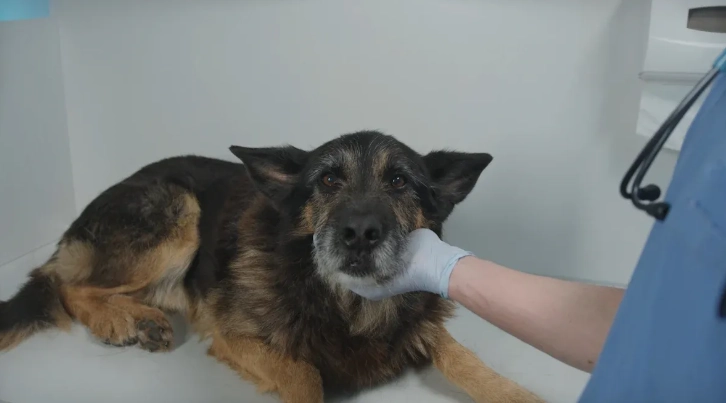
Understanding your German Shepherd's health is very important. These dogs have common health problems that can affect their lives. For example, about 20.6% of German Shepherds checked for hip dysplasia have it. Also, at least 35% have the gene for degenerative myelopathy. Finding and treating these issues early can help a lot. This allows for better care of problems like hip dysplasia and bloat. Spotting symptoms early can greatly improve your dog's health.
Key Takeaways
Hip dysplasia is a common problem in German Shepherds. Look for signs like limping or trouble moving. Finding it early helps with better treatment choices.
Degenerative myelopathy slowly makes movement harder. Watch for signs like weakness in the back legs. Regular vet visits can help manage this issue.
Allergies happen often in German Shepherds. Symptoms include itching and skin problems. Keeping your dog's area clean can help stop allergic reactions.
Bloat is a serious problem that can be dangerous. Feed smaller meals and avoid exercise right after eating to lower the risk.
Regular vet check-ups are very important for finding health problems early. Annual visits for adults and biannual visits for older dogs can make your dog's life better.
Hip Dysplasia and Health Risks
Hip dysplasia is a common health problem in German Shepherds. This genetic issue affects how the hip joint grows. It can cause pain and trouble moving. Knowing the signs, causes, prevention, and treatment is important for handling this condition well.
Symptoms
You might see some signs if your German Shepherd has hip dysplasia. Common signs include:
- Trouble getting up or lying down
- Not wanting to walk, run, or climb stairs
- A clear limp or different way of walking
- Less activity than usual
- Pain when the hips are touched
If you see these signs, talk to your veterinarian for a full check-up.
Causes
Hip dysplasia is genetic, so it often runs in families. Many things can cause it, such as:
- Genetic markers: Four spots on CFA1, CFA14, CFA26, and CFA37 are linked to hip dysplasia in dogs. Variants on CFA1, like ss7212922118 and ss7212922120, are connected to hip dysplasia in German Shepherds.
- Environmental factors: Fast growth, being overweight, and too much exercise as a puppy can make it worse.
Hip dysplasia in German Shepherds happens in 11% to 19% of cases. This is more common than in many other breeds. Here’s a table showing hip dysplasia rates in different breeds:
| Breed | Prevalence of Hip Dysplasia (%) |
| German Shepherds | 11 - 19 |
| Bernese Mountain Dogs | 12 - 16 |
| Labrador Retrievers | 9.5 - 12 |
| Golden Retrievers | 15.5 - 18 |
Prevention
To prevent hip dysplasia, good breeding and care are key. Here are some tips to lower the risk:
- Pick a good breeder who checks for hip dysplasia.
- Keep your dog at a healthy weight to lessen joint stress.
- Give a balanced diet for healthy growth.You can add Dog Hip And Joint Supplement and Best Hip And Joint Supplement For Dogs to your dog's daily diet.
- Limit hard activities when they are puppies to avoid hurting joints.
Treatment
If your German Shepherd gets hip dysplasia, there are treatment options. Finding it early is important for good care. Here are some common methods:
- Physical therapy: This can help with movement and strengthen muscles around the hip.
- Medications: Non-steroidal anti-inflammatory drugs (NSAIDs) can help with pain and swelling.
- Surgery: In serious cases, surgery like hip replacement may be needed.
A complete physical exam by your veterinarian is important for finding hip dysplasia. They will check your dog's overall health and may suggest X-rays or other tests to confirm the diagnosis. Early detection can find hip dysplasia risk as early as four months old. This allows for quick action to keep joints healthy.
By learning about hip dysplasia and its effects, you can take steps to help your German Shepherd stay healthy and happy.
Degenerative Myelopathy: A Common Health Problem
Degenerative myelopathy (DM) is a disease that gets worse over time. It affects the spinal cord in German Shepherds. This condition causes your dog to slowly lose movement, especially in the back legs. As it gets worse, it can greatly affect your dog's life. Finding and watching for symptoms early is very important for managing this condition well.
Symptoms
You should look for signs that may show degenerative myelopathy in your German Shepherd. Common symptoms include:
- Slight trouble walking, mainly in the back legs.
- Unsteadiness or problems keeping balance.
- Clumsiness or dragging of the paws, called "knuckling."
- Muscle weakness that may get worse over time.
Watching these symptoms closely can help you notice DM early.
Causes
Degenerative myelopathy mainly comes from a change in the SOD-1 gene. This change makes it hard to get rid of free radicals. This leads to damage in spinal cord cells. While genetics are a big part, other factors may also affect when the disease starts, but their exact effects are not clear.
Prevention
Right now, there is no way to stop degenerative myelopathy. However, you can keep a close eye on your dog's health. Regular vet visits can help find early signs of the disease.
Treatment
Sadly, there is no cure for degenerative myelopathy. Treatment focuses on managing symptoms and keeping your dog's life good. Here are some common methods:
- Physical therapy: This can help keep movement and muscle strength.
- Assistive devices: Harnesses or carts can help your dog move as the disease gets worse.
- Pain management: Your vet may suggest medicines to help with pain.
Knowing the stages of degenerative myelopathy can help you get ready for changes in your dog. The progression usually follows these stages:
| Stage | Symptoms and Changes in Mobility |
| Early Stage | Almost invisible weakness in back legs, slight clumsiness, and uneven wear on toenails. |
| Early to Mid-Stage | Trouble standing, balance issues, muscle loss, and slower reactions. |
| Late Mid-Stage | More trouble standing, big muscle loss, and constant scraping of nails. |
| Early Late-Stage | Unsteady movements, can't stand or walk without help, and loss of control over leg movements. |
| Late Stage | Total paralysis, can't bear weight on back legs, and possible urinary and bowel problems. |
By staying alert and watching for symptoms, you can help make sure your German Shepherd gets the care they need as soon as possible.
| Age Group | Homozygous (2 copies) | Heterozygous (1 copy) | Homozygous Normal (0 copies) |
| < 6 years | 8 of 50 | 19 of 50 | 23 of 50 |
| > 8 years (with neuro signs) | 21 of 50 | 29 of 50 | 0 of 50 |
| > 8 years (no neuro signs) | 0 of 50 | 26 of 50 | 24 of 50 |
By learning about degenerative myelopathy and what it means, you can take steps to help your German Shepherd stay healthy.
Allergies and Their Health Impact
Allergies are a common problem for German Shepherds. About 10% of them will have allergies in their lives. These allergies can cause health issues and discomfort. Common allergens are food proteins like beef and chicken. They can also come from things in the environment, like pollen and dust, or from insect bites, such as flea saliva.
Symptoms
You should look for signs that your German Shepherd might have allergies. Common symptoms include:
- Skin irritations
- Digestive discomfort
- Breathing problems
- Scratching often
- Chewing on paws
- Rubbing their face
- Itching a lot
- Losing hair
- Red or irritated skin
- Changes in behavior
Noticing these symptoms early can help you treat your dog's allergies better.
Causes
Allergies in German Shepherds can come from many sources. The most common triggers are environmental allergens, food sensitivities, and insect bites. Knowing these causes can help you reduce your dog's contact with allergens.
Prevention
To prevent allergies, keep your dog's environment clean and safe. Here are some good tips:
- Use air purifiers with HEPA filters.
- Vacuum floors and furniture at least twice a week.
- Choose washable, hypoallergenic dog bedding.
- Clean your home with safe, non-toxic products.
- Think about replacing carpets with hardwood or tile floors.
Treatment
Managing allergies in German Shepherds needs a well-rounded plan. Here are some helpful strategies:
| Strategy | Description |
| Environmental Management | Keep your dog's space free from allergens by cleaning, using air purifiers, and giving hypoallergenic baths. |
| Flea Control | Use good flea control products and keep the area flea-free by washing bedding often. |
| Medications and Supplements | Use antihistamines, corticosteroids, and omega-3 supplements to help with symptoms and improve skin health. |
| Immunotherapy | Gradually help your dog get used to allergens with small doses, which is good for ongoing cases. |
| Dietary Management | Avoid harmful ingredients by giving a hypoallergenic diet, either store-bought or home-cooked with guidance. |
By using these strategies, you can help your German Shepherd live a healthier and happier life.
Bloat: A Serious Health Concern
Bloat, also known as gastric dilatation volvulus (GDV), is a big risk for German Shepherds. This problem can cause serious health issues and even death. Studies show that 36% of dogs with bloat do not survive. Knowing the signs and causes can help you act fast.
Symptoms
Watch for these early warning signs of bloat in your German Shepherd:
| Symptom | Description |
| Distended abdomen | Swelling in the belly, showing gas buildup. |
| Unproductive retching | Trying to vomit without bringing anything up. |
| Restlessness | Can't settle down, pacing or moving around. |
| Excessive drooling | More saliva, often seen when in distress. |
| Rapid breathing | Quick, shallow breaths showing discomfort or pain. |
| Weakness or collapse | Signs of serious distress or shock, needing immediate help. |
Causes
Many factors can raise the risk of bloat in German Shepherds. These dogs have deep chests, making them more likely to get it. Other risk factors include:
- Feeding one meal each day
- Eating too fast
- Feeding only dry food
- Male dogs being at higher risk
- Older dogs (ages 7-12) being more likely to get it
- Exercising right after eating
Prevention
You can take steps to lower the risk of bloat in your German Shepherd. Here are some tips:
- Feed smaller, more frequent meals to stop the stomach from stretching too much.
- Use puzzle feeders or slow-feeder bowls to manage eating speed.
- Control how much water they drink at once, especially after exercise.
- Wait at least an hour after meals before letting them exercise hard.
- Avoid raised food bowls, as they may increase bloat risk in large breeds.
Treatment
If you think your dog has bloat, get veterinary help right away. Treatment usually involves stabilizing your dog and relieving the stomach pressure. In serious cases, surgery may be needed to fix the problem. Acting quickly is key to improving your dog's chances of survival.
By learning about bloat and its dangers, you can help keep your German Shepherd healthy.
Elbow Dysplasia and Related Health Issues
Elbow dysplasia is a serious health problem for German Shepherds. This issue affects the elbow joint and can cause pain and trouble moving. It is important to know the signs, causes, prevention, and treatment options to manage this condition well.
Symptoms
Look for signs that might show elbow dysplasia in your German Shepherd. Common symptoms include:
- Limping in the front legs
- Trouble getting up or jumping
- Less activity than usual
- Swelling around the elbow joint
- A noticeable 'head bob' while walking, showing pain
These symptoms can get worse over time and lead to osteoarthritis. Many dogs may limp after exercise or may not want to exercise at all.
Causes
Elbow dysplasia has a genetic part, making some breeds, like German Shepherds, more likely to get it. Studies show that German Shepherds, along with Labrador Retrievers and Rottweilers, have a higher chance of developing this issue. A study found that from 2011 to 2020, 11% of German Shepherds checked had elbow arthrosis, a type of elbow dysplasia.
The heritability values calculated were an average of all abnormal grades. It has been shown that the percentage of affected offspring increases with the severity of disease in the parent, suggesting other genetic factors may affect inheritance or expression of these traits in the offspring of more severely affected dogs.
Prevention
To prevent elbow dysplasia, responsible breeding and good care are important. Here are some tips to help lower the risk:
- Pick a good breeder who checks for elbow dysplasia.
- Keep your dog at a healthy weight to reduce stress on the joints.
- Give a balanced diet to help healthy growth.You can add Glucosamine And Chondroitin For Dogs to your dog's daily diet.
- Limit hard activities when they are puppies to protect their developing joints.
Treatment
If your German Shepherd gets elbow dysplasia, early vet care is very important. Regular check-ups help find problems early, which is key for good management. Treatment options may include:
| Aspect | Description |
| Early Diagnosis | Regular vet visits help find elbow dysplasia early, which is important for good management. |
| Treatment Options | Depending on how bad it is, treatment may include surgery or medical care, based on the dog's needs. |
| Ongoing Management | Continuous vet care helps monitor the condition and change treatment plans as needed. |
| Quality of Life Improvement | Regular check-ups and proper care can greatly improve the dog's quality of life. |
By being proactive about your dog's health and getting vet care, you can help manage elbow dysplasia well and improve your German Shepherd's quality of life.
Thyroid Disorders and Health Management
Thyroid disorders can greatly impact your German Shepherd's health. The most common problem is hypothyroidism. This happens when the thyroid gland does not make enough hormones. It slows down metabolism and can cause many health issues. German Shepherds are less likely to have thyroid disorders than many other breeds. They share this lower risk with Rottweilers and Dachshunds.
Symptoms
Watch for signs that may show a thyroid disorder in your dog. Common symptoms include:
- Gaining weight even with a normal diet
- Low energy or tiredness
- Losing hair or a thinning coat
- Skin infections or irritations
- Not tolerating cold well
If you see these signs, talk to your veterinarian for a complete check-up.
Causes
Hypothyroidism in dogs mainly comes from lymphocytic thyroiditis or idiopathic thyroid gland atrophy. These two causes make up over 90% of cases. More than 95% of hypothyroidism cases happen because the thyroid gland is damaged. Other possible causes include tumors on the pituitary gland and birth defects in the thyroid. This condition usually affects dogs between 4 and 10 years old.
Prevention
You cannot fully prevent thyroid disorders, but you can monitor your dog's health. Regular vet visits can help find any problems early. Keeping your dog at a healthy weight and giving a balanced diet also helps overall health.
Treatment
If your German Shepherd has a thyroid disorder, treatment usually means taking synthetic levothyroxine every day for life. You will need to check serum T4 levels after 4 to 8 weeks of treatment. You may need to change the dose based on how your dog is doing and T4 levels.
Here are some treatment options:
| Treatment | Option | Description Effectiveness |
| Surgery | Remove a thyroid tumor if it is not attached to nearby tissue. | Cures benign tumors. |
| Radiation therapy | Used if surgery is too risky or if cancer is present. | Helps manage tumors. |
| High-dose radioactive iodine (I-131) therapy | Treats cancerous thyroid masses that cannot be surgically removed. | Works for leftover cancer cells. |
| Chemotherapy | Different drugs used for treating hyperthyroidism caused by cancer. | Works differently depending on the drug. |
| Adjusting thyroid supplement dose | Lowering the dose for dogs that are overmedicated. | Fixes hyperthyroid symptoms. |
| Palliative care | Methimazole and special diet for managing symptoms without treating the tumor. | Relieves symptoms but does not stop tumor growth. |
Keeping track of your dog's health with regular thyroid tests can help improve their outcomes. Regular checks help ensure correct diagnosis and timely changes in treatment.
In conclusion, German Shepherds have some serious health problems. These include hip dysplasia, degenerative myelopathy, and bloat. Regular visits to the vet are very important. They help find and manage these issues early. You should take adult dogs to the vet once a year. For older dogs, go every six months.
Taking steps now can lower health risks. Make sure your dog eats a balanced diet. Give them regular exercise and keep their space clean. By being informed and careful, you can help your German Shepherd live a healthy and happy life.
FAQ
What is pancreatitis in German Shepherds?
Pancreatitis is when the pancreas gets inflamed. This can lead to vomiting, diarrhea, and stomach pain. Watch for these signs and talk to your veterinarian if you think your dog has this issue.
How often should I groom my German Shepherd?
You should groom your German Shepherd at least once a week. Regular grooming helps get rid of loose hair and dirt. It also keeps their skin and coat healthy. Brush more often during shedding times.
What are the signs of hip dysplasia?
Signs of hip dysplasia include trouble getting up, limping, and not wanting to exercise. You might also see less activity. If you notice these signs, consult your veterinarian for a proper diagnosis.
Can German Shepherds have allergies?
Yes, German Shepherds can have allergies. Common triggers include food, pollen, and flea saliva. Symptoms may be itching, skin problems, and stomach issues. Regular vet visits can help manage these allergies well.
How can I prevent bloat in my German Shepherd?
To prevent bloat, feed smaller meals throughout the day. Avoid hard exercise right after meals. Using slow-feed bowls can also help lower the risk. Always watch your dog for signs of distress.
0 Comments