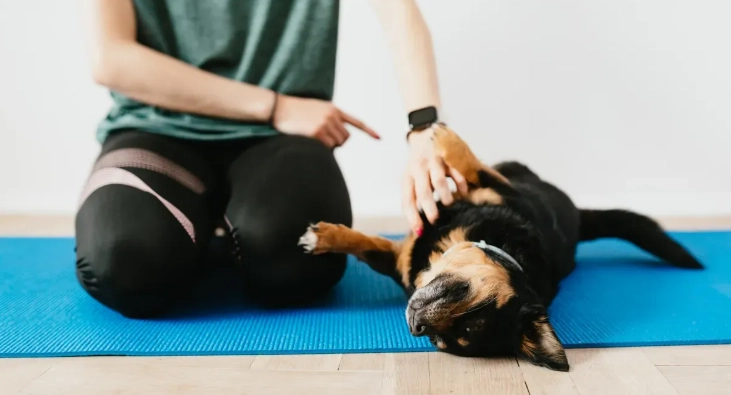
Hot summer days can be dangerous for your dog. Many dogs get sick from heat, lose water, or burn their paws on hot roads. You want your dog to be healthy, use their brain, and have fun exercising safely. A dog treadmill is a safe and fun way to work out. It makes training cool and exciting for your dog.
Key Takeaways
- Keep your dog safe from hot weather by exercising inside. A dog treadmill lets your dog work out safely. Your dog will not get too hot or burn its paws.
- Regular indoor exercise stops boredom and health problems. Dogs that exercise are calmer and happier. They also have a better life.
- Use a treadmill routine with warm-ups, walking, running, and cool-downs. This keeps your dog healthy and helps prevent injuries.
Why Indoor Dog Exercise Matters
Summer Heat Risks for Dogs
You want your dog to stay happy and healthy, but summer brings real dangers. When the temperature rises, your pup can get overheated fast. Here are some of the biggest risks you need to watch out for:
- Heat stroke can happen if your dog gets too active in hot weather.
- Dogs struggle to cool down without enough airflow, shade, or water.
- Overweight dogs and breeds with short noses, like bulldogs, face even higher risks.
- Signs of heat stroke include heavy breathing, weakness, collapse, vomiting, or even seizures.
- In severe cases, heat stroke can damage the heart or kidneys and may be fatal.
You can see why keeping your dog indoors during summer is so important.
Consequences of Reduced Activity
If you skip regular activity, your dog can face both physical and mental problems. You might notice your dog chewing on furniture or barking for no reason. Some dogs gain weight even if they eat the same amount. Others seem restless or have trouble settling down.
Here’s what happens when your dog doesn’t get enough exercise:
- Weight gain and health problems can develop.
- Your dog misses out on mental stimulation, which can lead to boredom and destructive habits.
- A well-exercised dog is usually calmer and less anxious.
- Exercise helps you and your dog bond and enjoy time together.
- Active dogs often live longer and have a better quality of life.
You want your pup to feel their best, so keeping up with indoor exercise during summer makes a big difference.
Dog Treadmill Benefits in Summer
Safe, Weather-Proof Workouts
You want your dog to stay active, even when the weather outside is too hot. A dog treadmill gives you a safe way to exercise your dog indoors during summer. You do not have to worry about burning paws or heatstroke. Your dog can walk or run in a cool room, away from the sun.
Here are some reasons why a treadmill is a smart choice for summer:
- You control the environment, so your dog stays safe from extreme heat or cold.
- Your dog can keep a regular workout schedule, no matter what the weather is like.
- Fewer distractions mean your dog can focus on moving and having fun.
A dog treadmill helps you avoid the risks that come with outdoor exercise during summer. You get peace of mind, and your dog gets the activity they need.
Self-Paced Exercise for Dogs
Every dog moves at their own speed. With a treadmill, your dog sets their own pace. This makes exercise feel natural and less stressful. Dr. Jennifer Coates, a veterinarian, says that treadmills can help dogs burn off extra energy and manage their weight. She also reminds us that outdoor walks are important for mental health, but a treadmill is a great tool when you need it.
You can watch your dog and adjust the treadmill as needed. This helps your dog build confidence and enjoy their workout. Over time, your dog will look forward to their treadmill sessions, especially during summer.
Dog Treadmill Training Routine
You want your dog to get the most out of every workout. A structured routine helps your pup stay safe, build confidence, and enjoy every step. Let’s break down each phase of dog treadmill training so you can create a fun and effective daily walk indoors.
Warm-Up Phase
Before you start any treadmill activity, you need to warm up your dog. This phase prepares muscles and joints for movement and reduces the risk of injury. You can use dog-friendly exercises that boost flexibility and mental stimulation.
- Loose leash walking for 5 minutes gets your dog moving and relaxed.
- Try position changes like sit-to-downs and sit-to-stands. These simple moves wake up your dog’s body.
- Set up two cones and walk your dog in a figure 8 pattern. This helps with spinal flexibility.
- Include active stretching, such as play bows and front paw targets. Hold each stretch for 1-2 seconds.
Tip: Make the warm up and cool down fun. Use treats and praise to encourage your dog.
Walking Session
Now your dog is ready to walk. Walking on a treadmill builds endurance and burns fat. You can adjust the speed to match your dog’s comfort level. Start slow and watch how your dog responds.
- Begin with 5-10 minute sessions if your dog is new to treadmill training. This lets you gauge their reaction and confidence.
- Adult dogs often enjoy 20-30 minutes of walking. High-energy breeds might walk up to 40 minutes, while puppies and seniors should stick to 5-15 minutes at a slow speed.
- Keep the pace steady. Let your dog set their own speed and rhythm.
- Watch for signs of fatigue. If your dog slows down or pants heavily, stop the session and offer water.
Safety Alert: Always monitor your dog’s breathing and allow water breaks during the walk.
Running Session
Ready to increase the intensity? Running on a treadmill boosts cardiovascular fitness and builds muscle. You need to watch your dog closely and adjust the speed as needed.
- Start with 5 minutes of running for intermediate dogs. Gradually increase the intensity and duration up to 15 minutes.
- Let your dog choose their speed. Some dogs love to run fast, while others prefer a gentle jog.
- Keep the activity fun. Use positive reinforcement and praise.
- Stop if your dog shows signs of fatigue or discomfort. Offer water and let them rest.
Note: Never force your dog to run faster than they want. The goal is to build endurance and confidence.
Cool Down Phase
After a workout, you need to cool down your dog. This phase helps lower the heart rate and prevents stiffness. You can use a slow walk and relaxed movement to finish the routine.
- Walk your dog at a slow speed for 5-10 minutes. This helps their body recover.
- Encourage relaxed movement around the room. Let your dog stretch and sniff.
- Offer fresh water to keep your dog hydrated.
- Watch for signs of tiredness. If your dog seems stiff or slow, give them extra time to cool down.
Reminder: Cooling down is just as important as warming up. It supports recovery and keeps your dog feeling great.
| Phase | Recommended Time | Activity Type | Speed Control | Safety Tips |
| Warm-Up | 5 minutes | Stretching, walking | Slow | Watch for stiffness |
| Walking | 10–15 minutes | Steady walk | Moderate | Monitor breathing |
| Running | 5–15 minutes | Jog or run | Variable | Allow water breaks |
| Cool Down | 5–10 minutes | Slow walk, relax | Slow | Slow Stop if fatigued |
You can use this routine to keep your dog active and happy all summer. A dog treadmill gives you control over speed and intensity. You can adjust the workout for your dog’s needs and fitness level. With regular training, your dog will look forward to every walk, run, and cool down.
Weekly Dog Treadmill Schedule
You want your dog to get the most out of every workout. A good exercise program keeps your pup healthy and happy all summer. Let’s look at two simple treadmill plans. You can pick the one that fits your dog’s energy level.
Beginner Dog Plan
If your dog is new to treadmill training, start slow. This plan helps your dog build confidence and enjoy each session.
| Day | Activity |
| Monday | 10 min walk + 5 min cool down |
| Tuesday | Rest or gentle play |
| Wednesday | 10 min walk + 5 min cool down |
| Thursday | Rest |
| Friday | 10 min walk + 5 min cool down |
| Saturday | Rest or short walk |
| Sunday | Recovery walk (5 min) |
Tip: Rest days are important. They help your dog recover and prevent injury.
Active Dog Plan
Does your dog have lots of energy? Try this exercise program. It gives your dog a mix of walking, running, and rest. Your dog will love the variety.
- Monday: 15 min walk + 5 min run + cool down
- Tuesday: Conditioning session (intervals)
- Wednesday: Rest
- Thursday: 10 min walk + 10 min run
- Friday: Rest or gentle play
- Saturday: Endurance session (20 min walk/run mix)
- Sunday: Recovery walk (5 min)
You can adjust the canine treadmill routine as your dog gets stronger. Always watch for signs of tiredness. Give your dog water and praise after every workout.
Remember: Every exercise program needs rest days. Your dog’s body needs time to recover, just like yours.
Dog Treadmill Safety Tips
Preventing Overheating
You want every workout to be safe for your dog. Overheating can happen quickly, even indoors. Watch for signs of distress like heavy panting, drooping ears, or your dog slowing down. If you see any of these, stop the treadmill and let your dog rest. Always keep fresh water nearby so your dog can drink before, during, and after exercise.
Tip: Use a safety shut off switch if your treadmill has one. This helps you stop the machine fast if your dog needs a break.
Monitoring Behavior and Health
Your dog’s behavior tells you a lot about their health during treadmill sessions. Look for these signs of distress:
- Limping or favoring a leg
- Excessive panting that does not stop after exercise
- Sitting or lying down suddenly
- Sore or damaged paw pads
- Lethargy that lasts for hours
- Stiffness when getting up
If your dog shows fatigue, heavy breathing, or becomes limp, stop right away. This helps prevent injury and keeps your dog safe. If you notice any injury or ongoing problems, consult your vet for advice.
Adjusting Speed and Duration
Every dog is different. You need to adjust speed and time to fit your dog’s size and fitness. Start slow with short sessions. Watch your dog’s comfort level. Increase speed and duration only when your dog feels ready. Here’s a quick guide:
| Dog Type | Speed Range (mph) | Purpose |
| Small Dogs (<20 lbs) | Slow | Short sessions |
| Medium Dogs (20-50 lbs) | Moderate | Quick adjustment |
| Large Dogs (>50 lbs) | Full stride space | Comfortable running |
| Working Breeds | Structured movement | Effective training |
| Flat-faced Breeds | Caution needed | Monitor breathing |
You keep your dog safe by making changes slowly. This helps prevent injury and makes every workout a positive experience.
Introducing Your Dog to the Treadmill
Building Confidence
When you introduce your dog to a treadmill, you want the experience to feel safe and fun. Start by letting your dog sniff and explore the treadmill while it’s turned off. Give treats and praise for calm behavior. Teaching your dog to stand still on the treadmill with a harness helps build trust. Walk beside your dog and reward them for staying focused. You can mix in simple commands like "sit" or "stay" between short walking intervals. Play upbeat music and keep your voice happy. Always end each session with a reward or playtime so your dog connects the treadmill with good things.
Tip: Short, positive sessions work best. If your dog seems nervous, slow down and celebrate small wins.
Overcoming Common Challenges
Teaching your dog to use a indoor dog treadmill can bring up a few bumps in the road. Some dogs feel unsure at first. Build a trusting relationship by using clear commands and lots of encouragement. Make sure your dog is comfortable with a leash and harness before you start. Always warm up and cool down to prevent injuries. Attach the safety shut-off switch to your dog for extra peace of mind. Watch your dog’s breathing and body language. If you see signs of stress or tiredness, stop and try again later. Increase the speed or time slowly—change only one thing at a time. Teaching your dog patience and confidence will make treadmill training a success.
Avoiding Common Mistakes
Exercising in Peak Heat
You might think your home is always safe, but heat can sneak up on your dog. Even indoors, high temperatures or humidity can make it hard for your dog to cool down. If you exercise your dog during the hottest part of the day, you risk overheating and heatstroke. Dogs struggle to cool themselves through panting when it’s too warm. Try to schedule workouts in the morning or evening when it’s cooler. Always check the room temperature before starting.
Skipping Warm-Ups
Jumping right into a treadmill session can lead to sore muscles or even injury. Your dog needs a few minutes to get their body ready. A warm-up helps loosen joints and gets the blood flowing. You can use simple leash walking or gentle stretches. This small step makes a big difference in how your dog feels after exercise.
Increasing Intensity Too Fast
If you push your dog to run faster or longer before they’re ready, you could cause stress or injury. Dogs need time to get used to new speeds or inclines. Take a look at this table:
| What Happens | Why It Matters |
| Quick speed changes | Dogs have trouble adjusting and may get hurt |
| Slow, steady progress | Helps your dog build strength and confidence safely |
Start with short, slow sessions. Increase the challenge only when your dog seems comfortable.
Insufficient Hydration
Water is key for a healthy workout. If your dog doesn’t drink enough, they can overheat or feel tired. Always keep fresh water nearby. Offer water before, during, and after each session. Watch for signs of thirst or fatigue and take breaks as needed.
Tip: Here are some common mistakes owners make with treadmills:
- Starting without a plan
- Skipping safety checks
- Making the first session too long
- Ignoring your dog’s body language
- Using the wrong harness
- Treating the treadmill as a full walk replacement
- Not asking your vet when needed
Stay aware of these pitfalls to keep your dog happy and safe.
Making Dog Treadmill Training Fun
Combining Exercise with Training
You can turn every treadmill session into a fun learning time for your dog. Try mixing in simple commands like "sit," "stay," or "heel" during the workout. This keeps your pup focused and adds a mental challenge. Use treats or favorite toys as rewards. You can even ask your dog to change speeds or stop and start on cue. These small games make training feel like play.
Tip: Give lots of praise when your dog follows a command. Happy words and a quick treat go a long way!
You can also practice leash manners while your dog walks on the treadmill. This helps your dog stay calm and listen to you during outdoor walks, too.
Tracking Progress
Want to see how much your dog improves? Keep a simple log of each workout. Write down the time, speed, and how your dog acted during training. You can use a notebook or a phone app. Here’s a quick table you can copy:
| Date | Time (min) | Speed | Notes |
| 6/10/2026 | 10 | Slow | Calm, happy |
| 6/12/2026 | 12 | Medium | More energy today |
You will notice your dog getting stronger and more confident. Celebrate small wins, like a longer run or a new trick learned during exercise. This keeps both you and your dog excited for the next workout.
Why Choose a Dog Treadmill Year-Round
Solutions for Busy Owners
Life gets busy. Sometimes you just do not have time for long walks, especially when the weather is bad or the air outside feels heavy. Maybe you live in an apartment or have more than one pup to care for. A treadmill gives you a way to keep your dog moving, no matter what your day looks like. You can fit in a quick session before work or after dinner. Your dog stays active, even when you cannot get outside.
Here is a quick look at how a treadmill helps you and your dog all year:
| Feature | Benefit |
| Indoor Exercise Capability | Dogs can run any time, safe from weather or outdoor risks. |
| Space-Saving Design | Folding technology fits small homes and apartments. |
| Customizable Workouts | You can set the pace for healthy weight and happy routines. |
| Quiet Operation | No loud noise, so your dog can train indoors without stress. |
| Lifetime Warranty | You get peace of mind for your investment in your dog’s health. |
Benefits for All Breeds and Homes
A treadmill works for every dog, big or small. It does not matter if you have a Border Collie or a tiny pup. You can adjust the speed and time for each dog’s needs. This tool helps you keep your dog fit, even when summer heat or winter snow makes outdoor walks tough. Many owners love that a treadmill supports healthy habits and keeps dogs happy year-round.
- You never have to skip a workout because of rain or heat.
- Dogs in apartments or busy cities get the exercise they need.
- Multi-dog households can train each dog one at a time.
- Your dog stays healthy, active, and ready for adventure, no matter the season.
A treadmill is more than a summer fix. It is a smart choice for your dog’s health every day.
Ronzeil Dog Treadmill Features
Self-Paced, Non-Electric Design
You want your dog to feel in control during workouts. The Ronzeil treadmill lets your pup walk or run at their own speed. There is no motor, so your dog powers the treadmill with their own movement. This makes every session feel natural and safe. You do not need to worry about setting the wrong speed. Your dog decides when to speed up or slow down. This feature helps build confidence and keeps exercise stress-free.
Quiet and Low Maintenance
You do not want loud noises to scare your dog. The Ronzeil treadmill runs quietly, so your home stays peaceful. You can train your dog in the living room or bedroom without any fuss. The treadmill does not need electricity, so you save on energy bills and avoid tangled cords. Cleaning is simple. Just wipe down the surface and check for loose fur. You spend less time on upkeep and more time having fun with your dog.
Adjustable for All Breeds
Every dog is unique. The Ronzeil treadmill fits small pups and large breeds. You can adjust the height, incline, and resistance to match your dog’s needs. The deck gives plenty of space for a natural stride. Side panels keep your dog safe and prevent slips. Heavy-duty construction means even strong, active breeds can use the treadmill with confidence.
Here’s a quick look at what makes the Ronzeil treadmill great for every home:
| Feature | Why It Matters |
| Deck Size | Lets dogs of all sizes move comfortably and naturally |
| Weight Capacity | Supports small pups and big breeds safely |
| Side Protection | Keeps your dog secure during workouts |
| Adjustable Resistance | Matches the workout to your dog’s fitness level |
| Non-Electric Propulsion | Lets your dog control the pace |
| Height Adjustable | Fits dogs of different sizes |
| Adjustable Incline | Changes the challenge for different energy levels |
| Heavy-Duty Construction | Stays stable for strong, active dogs |
You want your dog to stay healthy and happy, even when it’s hot outside. A treadmill routine keeps your pup active and safe indoors. Ready to make exercise easy? Explore Ronzeil Dog Treadmills and help your best friend enjoy year-round fitness!
FAQ
How often should you use a dog treadmill in summer?
You can use the treadmill three to five times a week. Give your dog rest days to help them recover and stay healthy.
Can puppies use a dog treadmill?
Yes, puppies can use a treadmill. Start with short sessions. Watch your puppy closely. Always use positive reinforcement and keep it fun.
What signs show your dog needs a break?
Look for heavy panting, slowing down, or drooping ears. If you see these signs, stop the session and offer water. ��
0 Comments