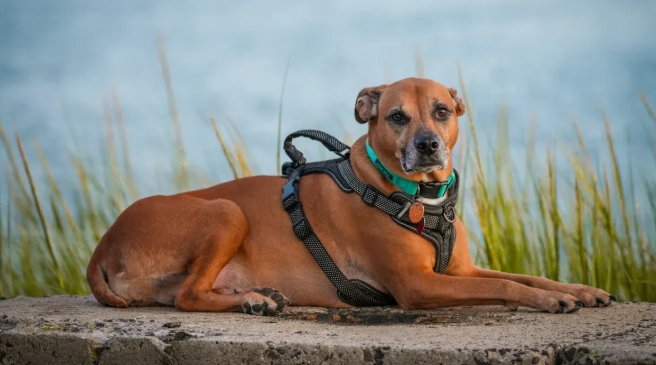
Rhodesian Ridgebacks are grand dogs. They have special traits. Knowing their health risks is key. This helps owners care for them. A club survey showed a fact. Less than 5% had a certain issue. This chart shows many risks. A bar chart showing the frequency of various health predispositions in Rhodesian Ridgebacks, ordered from most to least frequent. Good care helps them live long. It keeps them healthy. Watching them closely is important. This ensures good Rhodesian Ridgeback health.
Key Takeaways
Rhodesian Ridgebacks can get certain health problems. These include skin issues, bone problems, and brain diseases. Owners should know about these risks.
Regular vet visits are very important. They help find health problems early. Vaccinations and parasite control also keep your dog healthy.
Good food and exercise are key for your dog's health. Keep your dog at a healthy weight. Give them plenty of safe activities.
Watch your dog for any changes. Look for less energy or changes in eating. Call the vet right away for serious signs like bloat or trouble breathing.
Genetic testing helps breeders. It finds risks for diseases. This helps make healthier puppies.
Common Genetic Health Concerns
Rhodesian Ridgebacks can get some diseases. Many purebred dogs can. Owners need to watch for these. These diseases are special to the breed. Knowing about them helps your dog. It helps them live a long, healthy life.
Dermoid Sinus
Dermoid sinus is special. It is a skin problem. It looks like a tube. It grows along the dog's spine. Certain genes cause this. Dogs get it from their parents. Only one bad gene is needed. The dorsal ridge makes it more likely.
A study checked many puppies. 2.53% had dermoid sinus. This was out of 12,700 puppies. Litters with ridged dogs had more. 2.81% had it in 1269 litters. The number went down each year. Vets find it by touch. Surgery is the usual fix.
Hip Dysplasia
Hip dysplasia is a common bone problem. Many big dogs get it. Rhodesian Ridgebacks can too. The hip joint does not form right. The ball and socket do not fit. This causes pain. It can lead to arthritis.
Dogs with hip dysplasia show signs. Their hips may be stiff. They might limp. Getting up can be hard. Vets use X-rays to check. This finds problems early.
A study checked many Rhodesian Ridgebacks. 2.37% of 590 dogs had it. Female dogs had a score of 10.1. Male dogs had a score of 9.0. All dogs averaged 9.6. Keeping weight down helps. Exercise helps too. Sometimes surgery is needed.
Elbow Dysplasia
Elbow dysplasia is another bone issue. The elbow joint grows wrong. This can cause pain. It can make them limp. Signs often start young. They show up at 5 to 7 months. Dogs may limp. They might not want to play. Vets use X-rays to diagnose. Treatment can be pain medicine. Physical therapy helps. Surgery is an option for bad cases.
Degenerative Myelopathy
Degenerative myelopathy (DM) is a brain disease. It gets worse over time. It affects the spinal cord. Rhodesian Ridgebacks often get it. A gene change is a risk. This gene is called SOD1. Other genes also play a part.
The disease passes down. It follows a clear pattern:
| Genotype | Description |
|---|---|
| N/N (homozygous healthy |
This dog has no bad gene. It will likely not get DM. It cannot pass it on. |
| N/DM (heterozygous carrier |
This dog has one bad gene. It has a low DM risk. It can pass it on. There is a 50% chance |
| DM/DM (homozygous affected |
This dog has two bad genes. It has a high DM risk. It will pass it on. This is 100% sure. |
Degenerative myelopathy is deadly. There is no cure. It cannot be stopped. Some things can help. They make the dog's life better. Physical therapy helps. Regular exercise helps slow it. A vet guides these things. They help keep weight good. They save muscle. Home changes also help. Use non-slip mats. Use pet ramps. Support is needed later. This includes pet diapers. Treating other problems helps.
Juvenile Myoclonic Epilepsy
Juvenile Myoclonic Epilepsy (JME) is a seizure type. It affects young Rhodesian Ridgebacks. Dogs twitch a lot. They are sensitive to light. Frequent twitches start around 6 months. Owners say it looks like a shock.
Lights can cause seizures. Flashing lights are common triggers. Twitches happen when dogs relax. This includes when they are sleepy. It happens when they nap. Twitches can also happen standing. They happen when walking. Twitches affect the body. They affect legs and face. How bad it is varies. Dogs seem confused after. They are scared. Sleep gets worse. Twitches can happen 150 times a day. About one-third get grand mal seizures.
Levetiracetam helps with twitches. Owners saw fewer seizures. They were less strong. One dog went from many jerks. It went to one mild twitch. Absence seizures stopped completely. A test showed fewer seizures. It was a 97.2% drop. Genetic tests find carriers. They find affected dogs.
Other Key Health Issues
Rhodesian Ridgebacks can have other big health problems. Owners must know about these. Yearly blood tests are key. They help find problems early.
Hypothyroidism
Hypothyroidism is a common gland issue. The thyroid gland makes too few hormones. This changes how a dog's body works.
Lymphocytic thyroiditis is the main cause. It affects Rhodesian Ridgebacks.
This is an autoimmune disease. The body's defense system attacks the thyroid.
Autoimmune diseases like lymphocytic thyroiditis come from genes and surroundings. A dog needs certain genes. Things in the environment can start the disease. These include poisons, drugs, stress, hormone changes, viruses, and shots. In dogs, autoimmune thyroiditis is the most common cause. The body's defense system harms the thyroid glands. Other less common causes are thyroid gland shrinking and growths.
Bloat (Gastric Dilatation-Volvulus)
Bloat, or GDV, is very dangerous. The stomach fills with gas. Then it twists. This stops blood flow. Rhodesian Ridgebacks have a higher risk.
Many things raise the risk for GDV:
- Genes, like breed and family history.
- Having a deep chest.
- Weighing over 100 pounds.
- Being worried, scared, or jumpy.
- Running right after eating.
- Being middle-aged or older.
- Eating or drinking too much.
- Being male (males are more at risk).
Bloat is deadly without quick vet help. There are no home fixes for dog bloat. If you think it's bloat, go to a vet fast. Emergency surgery is needed. It untwists the stomach. This makes it work again. A gastropexy is part of this. Vets stitch the stomach in place. This stops it from happening again. Gastropexy lowers the risk from 80% to under 5%. Emergency gastropexy often needs more care after. This depends on how bad the stomach is hurt. Watching the heart and controlling bad rhythms are needed. Most dogs stay in the hospital for days. After-surgery care may include less activity. A special diet or medicine to protect the gut may be used.
Eye Conditions and Deafness
Rhodesian Ridgebacks can get eye problems. They can also become deaf.
Specific eye problems include:
Cataracts: The eye's clear part gets cloudy. This often causes blindness in older Rhodesians. Surgery can bring back sight.
Glaucoma: This disease hurts a lot. It can quickly cause blindness if not treated. Signs include squinting, watery eyes, blue film on the eye, and red whites of the eyes. It is an emergency.
Entropion: The eyelid rolls inward. Eyelashes rub the eye. This causes pain. This problem can be passed down. It can cause blindness. Surgery often works well.
Distichiasis: Extra hairs grow inside the eyelid. They rub on the eye. This painful, inherited problem can cause sores on the eye. It can cause long-term eye pain. Ways to remove hair for good are available.
Rhodesian Ridgebacks can get deaf after birth. This is called early-onset adult deafness (EOAD). This can show up at four months old. It is more common between one and two years old. It is not tied to color. This means it has a different gene cause. A passed-down form of deafness has been noted. Affected dogs hear fine at first. They lose all hearing by one year old. Some cases show up at four months. Research proves this problem is genetic. It follows a simple Mendelian autosomal recessive pattern. Carriers can pass on the gene. Scientists found a gene change in EPS8L2. This gene is linked to EOAD. This can cause hearing loss by one to two years old. Some purebred dogs get it at four months. This inherited deafness is a big worry.
Digestive Problems
Rhodesian Ridgebacks can have sensitive stomachs. They may have many gut problems. Changing their food can help.
Feed food with lots of fiber.
Include proteins that are easy to digest.
Add probiotics and prebiotics. These help good gut germs.
Change to new food slowly over a week. This stops stomach upset.
Other ways to help:
Use Canine Probiotic Supplement. They help digestion and gut health.
Use digestive enzymes. They help absorb food better. They help break down food.
Do not feed at different times. This stops worry and gut issues.
Do not skip meals. Keep feeding times regular.
Stop fast eating. This can cause bloat and choking. Use slow feeders if needed.
A Probiotic Chews Dor Dogs with good prebiotics and digestive enzymes can help. It helps absorb food. It calms sensitive stomachs. It soothes swelling and balances gut germs. This is good for daily help. It can also be a quick gut reset. This is after stomach upsets, surgery, or antibiotics.
Cancer Risks
Rhodesian Ridgebacks have a higher chance of some cancers. This is an important health point.
Rhodesian Ridgebacks have much higher odds of getting osteosarcoma. Their risk is over ten times more than mixed breeds. This finding is important. Past studies did not show this risk for the breed. Rhodesian Ridgebacks also get many bad tumors. These include soft tissue sarcomas. These cancers start in tissues like muscle and fat. They often look like lumps under the skin. People sometimes think they are harmless fat lumps.
Rhodesian Ridgebacks are a breed with a higher cancer risk. Yearly Multi-Cancer Early Detection (MCED) tests are advised. This is for such at-risk breeds. These are also called liquid biopsies (e.g., OncoK9 or Nu.Q). These tests check DNA in blood. They find gene changes specific to tumors. This helps find cancer early. Early finding means it can be treated better. MCED tests find DNA bits in the blood. When cells die, they release DNA. Cancer cells shed DNA with gene changes. These DNA bits mark cancer. Normal blood tests do not show these. Technologies like OncoK9 or Nu.Q use new methods. They find these cancer signs in dog blood. Screening tests like OncoK9 and Nu.Q work best yearly. This is true for older dogs. It is also for breeds prone to cancer. This includes Rhodesian Ridgebacks. It also applies to younger dogs of high-risk breeds. These MCED tests do not diagnose cancer directly. A positive result means tumor cells. It suggests more checks early on. This can lead to better results for the dog. Studies show these tests are 98.5% accurate for cancer. They can find over 30 types of cancer.
Health Screenings and Prevention
Good steps keep Rhodesian Ridgeback health strong. Owners and breeders are key. They help dogs live long, healthy lives.
Responsible Breeding and Screening
Good breeding is very important. Breeders do many health checks. They look for common problems passed down. For example, they check for hip dysplasia and elbow dysplasia. Young dogs under 24 months get early hip checks. Final clear checks are for dogs over 24 months. Penn Hip scores of 0.30 or less are also good. Breeders also check thyroid and eyes. They use OFA or heart doctor checks for heart health. Eye checks are needed every year until age nine. A special eye vet does these. A full thyroid test is done yearly. This is between one and six years old. A last check happens at eight years. Dogs with high TgAA should not breed. Brucella tests are also smart before breeding.
Genetic Testing
Genetic testing finds risks for diseases. This helps breeders choose wisely. Tests are ready for some problems.
Degenerative Myelopathy (DM): This test helps control this brain disease.
Juvenile Myoclonic Epilepsy (JME): Testing helps manage this problem. It causes many quick twitches.
Early Onset Adult Deafness (EOAD): This test finds deafness passed down. It usually causes full hearing loss.
Rhodesian Ridgeback Inherited Ventricular Arrhythmia (RR IVA): This test finds a gene change. It can cause bad heartbeats and sudden death.
B-Locus and D-Locus: These tests check coat color traits.
Hemophilia: A genetic test helps control this rare blood issue.
Regular Veterinary Check-ups
Regular vet visits are a must. They find health problems early. Vets can watch overall health. They also give advice on care.
Vaccinations and Parasite Control
Shots protect dogs from bad diseases. Puppies get main shots. These stop Canine Distemper, Parvovirus, and other sicknesses. They get them at 6, 9, 12, and 16 weeks. The rabies shot is required by law. A licensed vet must give it. Owners should give shot info to their vet. This stops too many shots. Bug control is also key. This means regular deworming. It also means flea and tick prevention.
Nutrition and Weight Management
Good food helps a dog's health. Rhodesian Ridgebacks need certain calories. These change as they grow. Puppies need large-breed puppy food. Older dogs need different food and Canine Multivitamin. Ask a vet to pick good dog food. Keeping a healthy weight stops joint pain. It also lowers other health risks.
Exercise and Mental Stimulation
Regular exercise is key for joint health. Rhodesian Ridgebacks like many things.
Hiking: Long walks let them explore.
Running: They are great running friends.
Swimming: This is good, gentle exercise.
Off-Leash Play: This helps body and mind. Do it in safe spots. Non-electric treadmills give gentle movement. This builds muscles evenly. It helps all joints. Exercise plans fit age and health. Older dogs need light to medium action. This means soft walks or light play. Enough rest is also vital. Adults need 12-14 hours of sleep.
Spotting Problems and Vet Visits
Early Signs to Watch
Owners must watch their Rhodesian Ridgebacks. Small changes often mean health issues. A dog might have less energy. It might eat less food. Behavior changes are also key signs. For example, twitches often happen when dogs relax. They happen when dogs lie down. They happen when dogs are sleepy. They happen when dogs first sleep. Twitches can also show up when dogs sit. They can happen when dogs stand. They can happen when dogs walk. These twitches usually start around 6 months old. Other early signs include a small limp. Or stiffness after rest. A dog might not do things it liked. Watch for changes in drinking. Or changes in peeing.
When to Call the Vet
Call a vet right away for bad symptoms. These include throwing up a lot. Or having bad diarrhea. Bad pain needs quick help. Trouble breathing needs quick help. Falling down needs quick help. Bloat is very dangerous. It needs a vet right away. Any fast drop in health needs a vet. Do not wait to get help. This is if a dog looks very sick. Or acts very strange. Getting help early can save your dog.
Getting Ready for Vet Visits
Get ready for vet visits. This makes them work well. Write down all you saw. Note when they started. Note how they changed. Bring old medical papers. Especially for a new vet. Write down questions for the vet. Keep your dog calm when you go. This helps the vet check them well. A ready owner helps their Ridgeback get good care.
Proactive health management is key. It is for Rhodesian Ridgebacks. Good breeding is important. Vet care helps a lot. Owners must watch closely. Owners should work with their vet. Make a health plan together. It is for each dog. This helps them live long. It helps them be happy.
FAQ
What is dermoid sinus in Rhodesian Ridgebacks?
Dermoid sinus is a skin issue. It makes a tube. This tube is on the dog's back. Genes cause this problem. Vets feel for it. Surgery fixes it.
How can owners prevent bloat in their Rhodesian Ridgeback?
Owners can stop bloat. Do not feed one big meal. No exercise after eating. Think about gastropexy surgery. This stitches the stomach.
Why is genetic testing important for Rhodesian Ridgebacks?
Genetic tests find risks. They find diseases from parents. Like Degenerative Myelopathy. And Juvenile Myoclonic Epilepsy. Breeders use tests. They make good choices. This makes healthier puppies.
What kind of exercise do Rhodesian Ridgebacks need?
Rhodesian Ridgebacks need to move. They like hiking. They like running. They like swimming. Playing off-leash is good. Do it in safe spots. Exercise keeps joints healthy. It also helps their mind.
How often should a Rhodesian Ridgeback visit the vet?
Rhodesian Ridgebacks need vet visits. Once a year is key. These visits find problems early. Vets check health. They also give care tips.
0 Comments