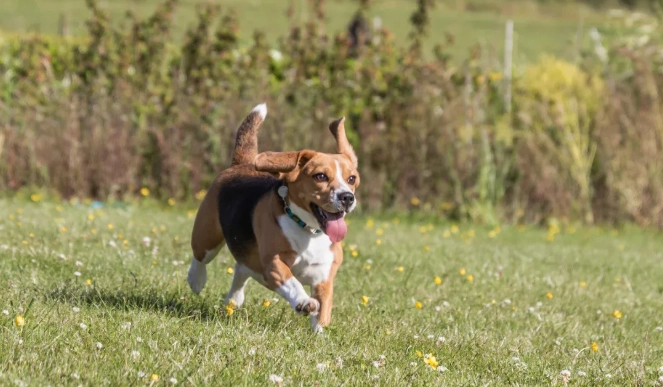
Are you thinking about which treadmill is best for your dog? Keeping your dog active is very important for their health and happiness. Regular exercise helps their heart, mood, and can help them live longer.
For dog treadmills, you usually have two choices: manual and motorized. Each type has special features that meet different needs. This makes them good options for dog owners who want to improve their pet's fitness routine.
Key Takeaways
- Regular exercise on a dog treadmill helps your dog's health and happiness. This is important when outdoor walks are not possible.
- Manual treadmills let dogs control their speed. They are great for energetic breeds that love to run.
- Motorized treadmills have adjustable speeds and safety features. They are good for dogs of all ages and fitness levels.
- Think about your dog's size, energy level, and comfort. This will help you choose between manual and motorized treadmills.
- Both types of treadmills can help with weight management. They also provide mental stimulation, keeping your dog active and engaged.
What is a Dog Treadmill?
A dog treadmill is a special machine. It helps your dog get exercise, even when the weather is bad. Unlike treadmills for people, dog treadmills are made for how dogs move and what they need. They have features that keep your dog safe and comfortable while they work out.
Drive System Overview
Dog treadmills mainly use two drive systems: motorized treadmills and slatmills. Motorized treadmills work like human ones. They have a motor that moves a belt under your dog's feet. Slatmills do not have a motor. They depend on your dog's running to move the slats. This lets dogs run at their own speed while being safely harnessed. This can be great for dogs that like to choose their own pace.
Importance of Drive System
The drive system is very important for how a dog treadmill works. It affects the motor's quality, torque, and RPM. These are all key for safe exercise. For example, strong motors are often better because they last longer and work well. Features like a speed dial let you change the speed quickly. This makes workouts safer and more responsive for your dog.
Using a dog running treadmill has many benefits:
- Helps Manage Weight and Prevent Obesity: Regular treadmill workouts can keep your dog’s weight healthy, especially if outdoor walks are hard.
- Provides Mental Stimulation: Using a treadmill can keep your dog’s mind busy, which helps reduce anxiety and boredom.
- Helps Dogs with High Energy Levels: A treadmill is a great way for energetic dogs to burn off extra energy.
- Convenient During Inclement Weather: Treadmills are a good indoor exercise choice no matter the weather.
- Can Help Rehabilitation or Mobility Issues: Controlled treadmill workouts can help dogs recover from mobility problems.
Manual Dog Treadmills
Working Principle
Manual dog treadmills work by using your dog's movement to move the belt. This means your dog walks or runs at their own speed. They do not need motors or electricity. This design helps your dog move naturally and gives them a quiet experience.
Advantages
Manual treadmills have many benefits that dog owners like:
- No Electricity Needed: You can place them anywhere in your home without needing power outlets.
- User Control: Your dog sets the speed, which is great for active breeds that love to run.
- Simplicity: The non-slip surface can be less scary for some dogs, making it easier for them to get used to.
Here’s a quick look at some common features of manual dog treadmills:
| Feature | Manual Dog Treadmill |
| Running Surface Width/Length | Wider and longer to fit different dog sizes, making it comfy. |
| Speed Range | Starts as low as 0.1 km/h for slow changes. |
| Safety Features | Has side barriers and emergency stops for safety. |
| Incline Adjustability | Rarely has incline features to protect joints. |
| Noise Levels | Runs quietly to keep dogs calm. |
| Control Mechanisms | Often has remote controls for easy watching. |
| Material and Durability | Softer, non-slip surfaces made for dogs' paws. |
Disadvantages
While manual treadmills have good points, they also have some downsides. They may not be the best choice for puppies, older dogs, or those healing from injuries. Some dogs might take time to learn how to use them, which can be a little hard at first.
Best Dog Types for Manual Treadmills
Manual american made treadmills are great for medium to large dogs, especially those with lots of energy. Breeds like Huskies and Border Collies enjoy running at their own speed. These dogs get exercise and can build muscle through resistance, just like electric treadmills.
If you’re thinking about a manual dog treadmill, consider your dog's size, energy level, and comfort with new things. This way, you can make sure your furry friend has a good workout routine!
Motorized Dog Treadmills
Working Principle
Motorized dog treadmills use an electric motor to move the belt. You can change the speed and incline for your dog. Just set the pace you want, and the treadmill will do the rest. This makes it easier to control exercise, which helps dogs that need special training or recovery.
Advantages
Motorized treadmills have many benefits that dog owners like:
- Controlled Exercise: You can set the speed and time, making workouts easier. This is good for dogs healing from surgery or with ongoing health issues.
- Improved Mobility: Using them regularly can help dogs move better, which is important for recovery.
- Muscle Strength: These treadmills help dogs build muscle while they recover.
- Cardiovascular Health: They help keep your dog's heart healthy through regular exercise.
- Low-Impact Exercise: Motorized treadmills offer gentle workouts, which are good for older dogs or those with joint problems.
Here’s a quick comparison of features between manual and motorized dog treadmills:
| Feature | Manual Treadmills | Motorized Treadmills |
| User Control | Dog controls pace naturally | Adjustable speed settings |
| Safety Features | Limited safety features | Emergency stops and safety mechanisms |
| Speed Range | Starts as low as 0.1 km/h | Minimum speed usually starts at 1 km/h |
| Noise Levels | Runs quietly to keep dogs calm | Usually noisier, which can make dogs anxious Disadvantages |
Motorized treadmills have many good points, but they also have some downsides. They need electricity, which limits where you can use them. Some models can be loud, which might make sensitive dogs anxious. You also need to maintain them regularly to keep the motor working well.
Best Dog Types for Motorized Treadmills
Motorized treadmills are great for high-energy breeds like Huskies, Belgian Malinois, and Border Collies. These dogs need more exercise than a normal walk can give. They also do well in the controlled setting that motorized treadmills provide. Dogs needing recovery or weight control can also benefit from these machines, as they offer gentle conditioning workouts.
Hybrid Dog Treadmills
Working Principle
Hybrid dog treadmills mix the best parts of manual and motorized treadmills. They let your dog run at their own speed. You can also change the speed if needed. This means your dog can enjoy running freely, but you can help control the pace. This makes hybrid treadmills a good choice for different training needs.
Advantages
Using a hybrid dog treadmill has many benefits:
- Versatility: You can switch between manual and motorized modes. This gives you choices based on your dog's energy and training goals.
- Natural Movement: Dogs can run freely. This helps them keep a natural stride and lowers the chance of injury.
- Adjustable Settings: You can easily change the speed and incline. This makes workouts good for dogs of all fitness levels.
- Enhanced Safety Features: Many hybrid models have safety features to stop accidents, like emergency stops and side barriers.
Disadvantages
Hybrid treadmills have many good points, but they also have some downsides. Here are a few concerns from users:
- Risk of Injury: If not used correctly, dogs might slip or step off the treadmill.
- Developmental Concerns: Dogs should be fully grown before using treadmills to avoid lasting damage.
- Sizing Issues: It’s important to make sure the treadmill fits your dog well. A treadmill that is too big or small can cause unnatural movements, leading to injuries.
Best Dog Types for Hybrid Treadmills
Hybrid treadmills are good for many dog breeds. They are especially helpful for active dogs that need both structured exercise and freedom to run. Breeds like Labrador Retrievers, Golden Retrievers, and even smaller breeds like Beagles can do well on hybrid treadmills. If your dog likes a mix of free running and guided workouts, a hybrid treadmill could be the right choice!
Comparing Dog Treadmill Types
When you want to pick the best dog treadmill, knowing the differences between manual, motorized, and hybrid types can help you decide. Each type has special features, costs, and is better for different dog breeds. Let’s look at it closely!
Comparison Table
Here’s a quick look at how these treadmills compare:
| Type | Cost Range | Features | Suitability |
| Manual | Starts from $639.99 | No cords, quieter, adjustable height and angle, safety railings | Good for medium to large dogs |
| Motorized | Varies | Pre-set programs, remote control, adjustable incline, safety features | Best for small to medium dogs |
| Hybrid | More expensive | Can be used without supervision, like a treadwheel, needs learning | Good for small dogs only |
Key Differences
1.Cost: Manual treadmills usually start at a lower price, making them easier on your wallet. Motorized treadmills can have a wide range of prices based on features. Hybrid models are often the most costly because of their advanced features.
2.Features:
- Manual treadmills are simple and quiet. They let your dog set their own speed, which is great for active breeds.
- Motorized treadmills have preset programs and remote controls, making it easy to customize workouts. They also have safety features like emergency stops.
- Hybrid treadmills mix the best parts of both types. They allow for both manual and motorized use, giving your dog freedom to run while also offering controlled settings when needed.
3.Suitability:
- Manual treadmills are best for medium to large dogs that are active and can learn how to use them.
- Motorized treadmills are great for smaller or less active dogs, especially those healing from injuries or needing to lose weight.
- Hybrid treadmills are perfect for small dogs that need both structured exercise and the chance to run freely.
Choosing the right treadmill depends on your dog's needs, energy levels, and your budget. By comparing these types, you can find the best fit for your furry friend’s exercise routine!
Choosing the Right Dog Treadmill
Assessing Your Dog's Needs
When picking a dog treadmill, think about what your dog needs. Every dog is unique, and their exercise needs can change based on size, age, and energy. Here are some important things to think about:
- Size of your dog: Make sure the treadmill fits your dog's size. It should be at least 2.5 times the length of your dog from nose to tail base.
- Weight of your dog: Check how much weight the treadmill can hold to keep your dog safe.
- Breed of your dog: Some breeds need more exercise. High-energy breeds like Border Collies may need a treadmill that goes faster.
- Treadmill's weight capacity: Make sure the treadmill can support your dog's weight comfortably.
- Available space in your training area: Think about how much room you have at home for the treadmill.
Here’s a quick table summarizing these factors:
| Factor | Description |
| Size and Weight | The treadmill should be at least 2.5 times the length of your dog from nose to tail base. |
| Speed Range | Look for treadmills that offer low speeds for warm-up and high speeds for sprint training. |
| Incline Options | Consider treadmills with manual or electronic incline adjustments to boost endurance. |
| Safety Features | Prioritize treadmills with emergency stop buttons, side rails, and non-slip surfaces. |
| Noise Level | Ensure the treadmill operates quietly to avoid scaring your dog during use. |
Space and Environment
The space you have is important when choosing a treadmill. If you have little space, a foldable treadmill might work well. These can be stored upright or under furniture, making them easy to store. However, they might not be as stable.
If you have a special area for exercise, a stationary treadmill is a better choice. These models are stronger and provide better shock absorption. Here’s a table to help you decide:
| Treadmill Type | Space Suitability | Key Features |
| Foldable | Limited space | Can be stored vertically or under furniture; more convenient but may sacrifice stability. |
| Stationary | Dedicated area | Sturdier build, better shock absorption, and more durable over time. Suitable for permanent setups. |
Budget Considerations
Lastly, think about your budget. Dog treadmills come in many prices, so it’s important to find one that fits your money situation. Manual treadmills usually cost less, while motorized and hybrid models can be pricier because of their features.
When budgeting, think about not just the first cost but also any future maintenance costs. A treadmill that needs repairs or parts often can add up over time.
By checking your dog's needs, thinking about your space, and setting a budget, you can find the right dog treadmill that keeps your furry friend happy and healthy!
Deciding between a manual and a motorized dog treadmill is important. Manual treadmills let your dog set their own speed. This makes them great for active breeds. Motorized treadmills, however, have adjustable speeds and safety features. These are good for dogs of all ages and fitness levels.
When picking a treadmill, consider your dog's size, energy, and comfort. Both types can help keep your dog healthy and happy, especially when outdoor exercise isn’t possible. A treadmill can be a fun way to meet your dog's exercise needs. Think about their lifestyle and preferences to find the best choice!
- Regular exercise on a dog treadmill keeps your dog healthy, especially when outdoor walks are not possible.
- Manual treadmills allow dogs to control their speed, making them suitable for energetic dogs.
- Motorized treadmills offer adjustable speeds and safety features, providing a safe environment for dogs of all ages and fitness levels.
FAQ
What type of treadmill is best for dogs?
The best treadmill for your dog depends on what they need. Manual treadmills are great for active dogs that like to control their speed. Motorized treadmills are better for dogs that need more controlled exercise, especially if they are healing from injuries.
Can a dog treadmill help with weight management?
Yes! A dog treadmill gives your dog a steady way to exercise. Regular workouts can help keep your dog at a healthy weight and stop obesity, especially when they can't go outside much.
How often should my dog use the treadmill?
Try to have your dog use the treadmill for 20 to 30 minutes, 3 to 5 times a week. Change this based on your dog's age, energy, and fitness goals. Always watch how they feel during their workouts.
Is it safe for all dogs to use a treadmill?
Not every dog can use a treadmill safely. Puppies, older dogs, or those with health problems may need extra care. Always talk to your vet before starting a treadmill routine for your dog.
How do I train my dog to use a treadmill?
Start slowly! Let your dog see the treadmill when it’s off. Use treats and praise to encourage them. Then, turn it on at a low speed so they can get used to it comfortably.
0 Comments