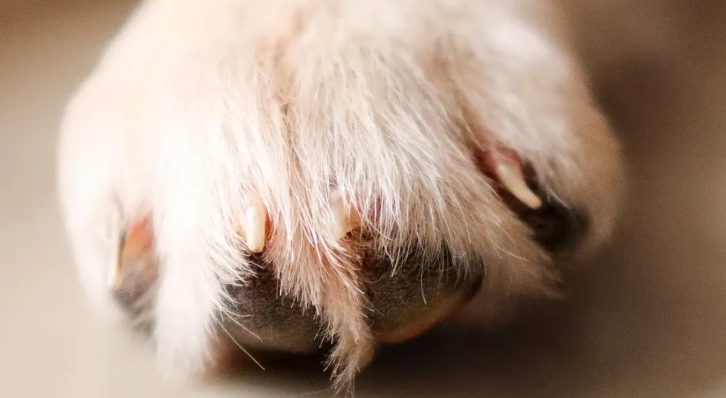
Have you ever stepped outside on a summer afternoon and felt the heat radiate from the sidewalk? You’re not alone. Nearly half of dog owners worry about their dog’s paws during hot weather. Summer pet safety matters, so you search for ways to keep your dog moving. A dog treadmill can help.
Key Takeaways
- Always perform the 7-second pavement test before walks. If the pavement is too hot for your hand, it’s too hot for your dog's paws.
- Choose early morning or late evening for walks to avoid the hottest pavement. This keeps your dog safe and comfortable.
- Use indoor games and a dog treadmill to keep your dog active when it's too hot outside. These options provide safe exercise without risking paw burns.
Why Hot Pavement Is Dangerous
How Pavement Heats Up
You might think the air feels warm, but pavement can get much hotter. On a sunny day, the ground soaks up the sun’s rays and holds onto that heat. Even if the air feels comfortable, hot pavement can surprise you. Here’s what happens:
- When the air is 77°F, pavement can reach 125°F.
- At 86°F, pavement jumps to 135°F.
- If the air hits 87°F, pavement can soar to 143°F.
- On a 91°F day, pavement can reach 140°F by the afternoon.
That’s hot enough to fry an egg! Now, imagine your dog’s paws touching that surface. Hot pavement can cause heat damage in just a few minutes. Some regions, like the Sun Belt states, see even higher risks because of extreme heat. If you live in a hot climate, you need to stay extra alert.
Signs of Paw Burns
Dogs don’t always show pain right away, so you need to watch for signs of heat damage. Paw burns can happen fast, and they hurt. Look for these warning signs:
- Limping or not wanting to walk
- Licking or chewing at their paws
- Red, swollen, or blistered paw pads
- Acting grumpy or hiding more than usual
If you notice any of these, your dog may have burns. Hot pavement puts every dog at risk, but some climates make it worse. Always check the ground before you head out. Your dog counts on you to protect their paws from heat damage.
The Importance of Exercise in Hot Weather
Risks of Skipping Activity
You might think skipping your dog’s walk during hot weather keeps them safe. But missing regular exercise can cause bigger problems. Dogs need daily activity to stay healthy, even in the summer. Without enough movement, your dog may gain weight, feel bored, or act out with destructive behavior. Over 80% of dog owners notice their pets slow down when the heat rises. This drop in activity can make the obesity problem in dogs even worse.
Did you know? Dogs can only sweat through their paws and nose. That makes them more likely to overheat during summer walks. Nearly 70% of dogs who get heatstroke do so after a regular walk on a hot day. Always watch for signs of heat stress and plan your dog’s exercise carefully.
Puppies and senior dogs need special care in hot weather. Talk to your vet before changing their routine. Try mixing short outdoor walks with indoor games to keep your dog active and safe.
Breeds That Need Extra Exercise
Some breeds just can’t sit still, no matter how high the temperature climbs. If you have a high-energy dog, you know they need more than a quick stroll. Here are a few breeds that need lots of exercise, even in the heat:
- Brittany Spaniel: Loves running, hiking, and agility every day.
- Springer Spaniel: Needs 1–2 hours of activity, like fetch or long walks.
- German Shepherd: Enjoys running, dog sports, and at least an hour of exercise.
- Rottweiler: Stays happy with plenty of movement and mental challenges.
If you own one of these breeds, plan early morning or evening sessions to avoid the worst heat. Mix in indoor activities to keep your dog healthy all summer.
How to Protect Your Dog's Paws
Pavement Temperature Test
You want to keep your dog safe during hot weather. Before you step outside, check the pavement with the 7-second test. Place your hand flat on the pavement for seven seconds. If you can't keep your hand there the whole time, the pavement is too hot for your dog. This simple test helps you protect dog paws from burns. Try the 7-second test every time you plan a walk, especially in summer. Hot pavement can heat up fast, so always check before your dog steps out.
Tip: Repeat the 7-second test on different surfaces. Asphalt, concrete, and bricks can all get hotter than grass or dirt.
Best Times for Walks
Hot pavement is most dangerous during the middle of the day. You can protect your dog's paws by choosing the best times for walking. Early morning and late evening are cooler. Pavement has had time to cool off, and your dog can enjoy exercise without risking burns. Avoid walking during midday in summer. The sun is strongest, and the heat makes pavement unsafe. Plan your walks when the air feels fresh and the ground is cool.
- Early morning walks help your dog stay active and healthy.
- Evening strolls let your dog burn energy after the sun goes down.
- Midday walks increase the risk of paw burns and dehydration.
Using Booties and Paw Wax
You can protect dog paws with special gear. Dog booties and paw wax offer paw protection against hot pavement. Booties create a barrier between your dog's paws and the ground. Paw wax forms a layer on the paw pads, making short outings safer. Some dogs need time to get used to booties, but they offer strong protection. Paw wax is easy to apply and doesn't feel strange to most dogs.
| Type | Benefits |
| Dog Boots | - Provide a strong barrier against hot surfaces |
| - Protect paws from sharp objects and rough terrain | |
| - Available in various sizes and styles to fit different dogs | |
| Paw Wax | - Offers a protective layer on paw pads |
| - Easy to apply and reapply as needed | |
| - Doesn't restrict movement or feel unnatural to dogs |
- Dog boots with rubber soles work best in extreme heat.
- Paw wax is great for short walks or dogs who dislike shoes.
- Both options help protect your dog's paws and support their health.
Note: Booties last longer and offer more durability. Paw wax needs frequent reapplication, especially during summer walks.
Choosing Grass and Shade
Hot pavement isn't your only option. You can protect dog paws by picking routes with grass and shade. Grass stays cooler than pavement, so your dog's paws won't burn. Shaded areas keep your dog comfortable and lower the risk of heat stress. If you can, walk on dirt, moss, or grassy paths instead of asphalt or concrete. Your dog will enjoy exercise and stay safe.
- Grass and shade help prevent paw burns.
- Shaded routes reduce sun exposure and dehydration.
- Dirt and mossy terrain are gentle on paws.
Safety Tip: Bring water for your dog. Hydration is key during hot weather.
Add ice cubes to their bowl or offer fruits like watermelon. These hydration strategies keep your dog cool and healthy.
You can protect your dog's paws by using the 7-second test, walking at the best times, choosing paw protection gear, and picking grass and shade. These steps help your dog enjoy exercise, even in hot weather. Your dog's health and safety matter every day.
Safe Exercise Alternatives to Hot Pavement
When the pavement heats up, you need creative ways to keep your dog moving. Safe dog exercise doesn’t have to stop just because the sun is blazing. You can try indoor games, water activities, and short walks on cool surfaces. These options help your dog stay active and happy during hot weather.
Indoor Games and Training
You don’t have to step outside to give your dog a workout. Indoor games and training sessions offer safe dog exercise when the pavement is too hot. Dogs love activities that challenge their minds and bodies. You can use puzzle toys, food dispensers, and simple games to keep your dog busy.
- Tug of War: Great for burning energy in small spaces.
- Hide-and-Seek: You hide, your dog finds you. It’s fun and builds your bond.
- Trick Training: Teach your dog new tricks or practice old ones.
- Food Puzzle Toys: Fill them with treats or frozen fruit for cooling fun.
- Stuffed Kongs and Pupsicles: These treats help with hydration and keep dogs cool.
- Shell Game: Hide treats under cups and let your dog guess where they are.
- DIY Indoor Obstacle Course: Use chairs, cushions, and boxes to create a course.
- “Find it!” Game: Hide treats around the house and let your dog sniff them out.
- Recall Game: Call your dog from different rooms for a quick workout.
- Snuffle Mats: Sprinkle kibble or treats for your dog to sniff and search.
Puzzle toys and games keep your dog’s brain sharp and help reduce anxiety. You can use muffin tin puzzles or flap toys for extra fun.
You can mix these activities throughout the day. Your dog will get exercise, mental stimulation, and safe dog exercise without risking paw burns on pavement.
Swimming and Water Play
Water activities are perfect for hot weather. Swimming gives your dog a full-body workout and keeps them cool. If you have access to a pool, lake, or even a kiddie pool, you can turn summer into splash time.
| Benefit | Description |
| Low-impact exercise | Swimming is gentle on joints, ideal for dogs with obesity or joint issues. |
| Weight management | Helps burn fat and build muscle, keeping your dog at a healthy weight. |
| Coordination and agility | Improves physical skills, especially in puppies. |
| Cooling effect | Water play helps regulate body temperature and prevents overheating. |
| Full-body workout | Engages muscles, boosts endurance, and supports cardiovascular health. |
Swimming helps your dog stay active without the risk of heat exhaustion. Water play also provides crucial cooling during hot weather. You can toss toys in the water, let your dog splash, or even try gentle hose play in the backyard.
Tip: Always supervise your dog during water activities. Some dogs need a life vest for safety. Make sure your dog has access to fresh water for hydration.
Short Walks on Cool Surfaces
You don’t have to skip walks completely during a heat wave. You can choose routes with plenty of shade and grassy areas. Grass stays cooler than pavement and helps prevent paw burns. Shaded paths reduce exposure to direct sunlight and keep your dog comfortable.
- Walk on grassy areas instead of pavement.
- Pick routes with trees and shade.
- Try dirt or mossy trails for gentle surfaces.
- Keep walks short and watch for signs of overheating.
Shaded areas and cool surfaces help your dog stay safe. You can bring water and offer breaks for hydration. Early morning or late evening walks work best during summer.
You can combine indoor games, swimming, and short walks to create a balanced routine. Your dog will enjoy exercise, stay cool, and avoid the dangers of hot pavement. Safe dog exercise keeps your dog healthy and happy all summer.
Dog Treadmill Benefits in Hot Weather
Why More Owners Choose Dog Treadmills
You want your dog to stay active, but hot weather makes outdoor walks risky. A dog treadmill gives you a safe way to keep your dog moving, no matter how high the temperature climbs. You can set up a dog treadmill in your living room or basement, so your dog gets exercise without stepping on hot pavement. This tool helps you keep a routine, even during a heat wave or when rain keeps you inside.
Many owners love the climate control a dog treadmill offers. You don’t have to worry about the sun or sudden storms. Your dog can walk or run at their own pace, and you can watch them the whole time. This is perfect for high-energy breeds that need daily exercise, even when it’s too hot outside.
Tip: A dog treadmill is designed for your dog’s stride and safety. Human treadmills can be dangerous for dogs, so always pick one made for pets.
Tips for Introducing a Dog Treadmill
You can help your dog learn to love the treadmill with a few simple steps:
- Check if your dog is healthy enough for treadmill training.
- Let your dog explore the treadmill while it’s off. Give treats for standing on it.
- Turn the treadmill on at a low speed. Reward your dog for staying calm near the sound.
- Start with slow movement. Encourage your dog to walk a few steps and reward them.
- Slowly increase the speed and time as your dog gets more comfortable.
Patience and treats make the process fun. Soon, your dog will see the dog treadmill as a new way to beat the heat and stay fit.
What to Do If Your Dog Gets Paw Burns
First Aid for Paw Burns
If your dog gets paw burns from hot pavement, you need to act fast. Bring your dog inside right away. If your dog cannot walk, carry them to prevent more damage. Move your dog to a cool or shaded spot to stop further heat exposure.
Here are simple steps for first aid:
- Gently rinse your dog's paws with cool (not cold) water. This helps soothe the burns and gives relief.
- Use a cold, damp cloth or compress on the paw pads for a few minutes.
- Try to keep your dog from licking or chewing the injured area. Licking can make burns worse or cause infection.
- Check the paws for blisters, redness, or open wounds. Do not pop any blisters you see.
- Watch for signs of heat exhaustion, like heavy panting or weakness. These signs mean your dog needs extra help.
Quick action helps with preventing heat illness and other heat-related issues. Always keep your dog calm and comfortable during first aid.
When to Call the Vet
Some paw burns need emergency care. You should call your vet if you notice any of these signs:
- Your dog limps or refuses to walk.
- The paw pads look red, swollen, or have blisters.
- Your dog chews or licks the paws a lot.
- You see open wounds or your dog acts very upset or withdrawn.
A vet can give pain relief, bandage the burns, and may prescribe antibiotics to prevent infection. Never use ice or very cold water, as this can make the injury worse. Fast treatment helps your dog heal and lowers the risk of heat exhaustion or other heat-related issues.
If you are unsure, always call your vet for advice. Quick care can make a big difference in your dog's recovery.
You want summer pet safety to be simple. Always use the 7-second rule before you walk your dog. Try indoor games and a dog treadmill to help your dog stay active. Make sure your dog drinks enough water every day. Summer pet safety means you protect paws and keep your dog healthy. Follow these tips for a fun and safe summer with your dog.
- Try the 7-second rule or barefoot test before each walk.
- Pick grass or shady spots for outdoor play.
- Bring water and remind your dog to drink.
"A dog treadmill can help when it’s too hot for outdoor exercise.
FAQ
Can my dog walk on pavement during hot weather?
You should avoid pavement when it’s hot weather. Try the 7-second test. If it feels too hot for your hand, it’s too hot for your dog.
How can I tell if my dog’s paws are burned?
Look for limping, licking, or dark paw pads. Your dog may not want to walk. Check paws after every walk.
What are some fun indoor activities for my dog?
You can play tug of war, hide-and-seek, or use puzzle toys. These games keep your dog active and happy inside.
0 Comments