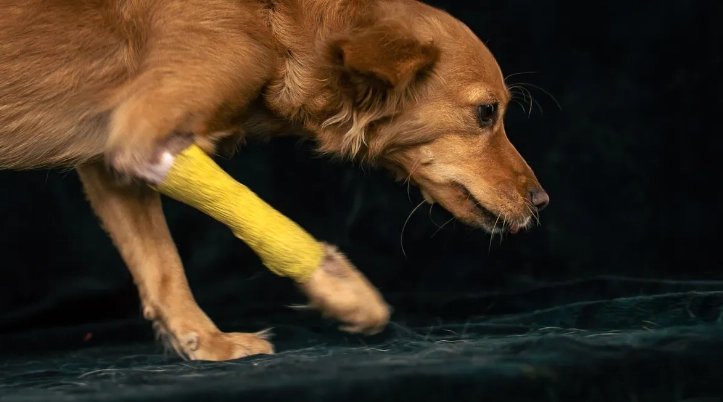
Hip dysplasia is a genetic problem that occurs when the hip joint does not fit well in the hip socket. This condition can lead to pain and discomfort for your dog. Understanding hip dysplasia is crucial as it impacts your dog's health in various ways. Early detection can significantly improve your dog's quality of life. Research indicates that with proper care, including the use of a Glucosamine Chondroitin Hip and Joint Supplement, many dogs can live comfortably with this issue. By recognizing the signs and taking proactive measures, you can help your furry friend remain happy and active.
Key Takeaways
- Hip dysplasia is a genetic problem that affects the hip joint. Finding it early can help your dog live better.
- Give your dog a healthy diet with supplements like Glucosamine and Omega-3 fatty acids. This helps their joints and stops fast growth.
- Regular, low-impact exercise is important. Swimming is great to build muscles around the joints safely.
- Take your dog to the vet often. This helps check their joint health and find problems early.
- Watch for changes in your dog's behavior. These can show they are in pain or discomfort from hip dysplasia.
Causes of Hip Dysplasia
Genetic Factors
Genetic factors are very important in causing hip dysplasia. Some dog breeds are more likely to have this problem because of their genes. Changes called single nucleotide polymorphisms (SNP) are connected to hip dysplasia. Some genes related to these changes are PTPRD, PARD3B, and COL15A1.
Here are some breeds that are more likely to have hip dysplasia:
| Breed | Likely to Have Hip Dysplasia |
| German Shepherd | Yes |
| Labrador Retriever | Yes |
| Golden Retriever | Yes |
| Rottweiler | Yes |
Environmental Influences
Your dog's surroundings can also affect the chance of getting hip dysplasia. Studies show that puppies on floors with good grip have a lower chance of this issue. On the other hand, puppies on slippery floors have a higher chance. Experts say that controlling a puppy's environment and habits is very important for healthy hip joint growth.
Think about these environmental factors:
| Flooring Type | Chance of Hip Dysplasia |
| More Traction | More Traction Lower Chance |
| Less Traction | Higher Chance |
Diet and Growth Rate
Diet is very important in causing hip dysplasia, especially in big dogs. Fast growth from too many calories can raise the risk of hip dysplasia. Good nutrition during growth is key for strong bones and joints. Keeping an eye on your puppy's weight and using growth charts can help control their growth rate well.
Signs of Hip Dysplasia
Physical Symptoms
It is important to spot the physical symptoms of hip dysplasia early. Common signs include:
| Symptom | Description |
| Lameness (limping) | Limping in the back legs that comes and goes or stays. |
| Reluctance to rise or jump | Dogs may seem stiff or hesitate when getting up, especially in the morning. |
| Shifting weight to forelimbs | Dogs may prefer their front legs because of pain in the back legs. |
| Loss of muscle mass in hind legs | Muscles in the back legs shrink as dogs avoid using sore joints. |
| Hip pain | Dogs may show pain when their hips are touched or moved. |
You might also see other signs of hip dysplasia, such as:
- Trouble standing up after lying down.
- Less interest in playing and lower activity levels.
- A bunny hopping style, where both back legs move together when running.
- Limping or lameness, which shows joint issues.
- Hesitation to climb stairs or jump onto furniture.
Behavioral Changes
Behavioral changes often happen with the physical signs of hip dysplasia. You may notice:
- More irritability or wanting to be alone.
- Not wanting to jump or run, which can mean pain.
- Falling behind during walks and showing less excitement.
- Avoiding being petted in painful areas.
These changes can mean your dog is feeling pain or discomfort. As hip dysplasia gets worse, your dog may become less active and more withdrawn.
Knowing these signs of hip dysplasia can help you take steps to care for your dog. Early action can lead to better results and a happier life for your furry friend.
Prevention and Management
Diet and Nutrition
You can help prevent hip dysplasia by giving your dog the right food. A good diet keeps joints healthy and helps your dog feel good overall. Here are some helpful diet tips:
- Glucosamine and Chondroitin: These dog supplements can help keep joints strong and lower swelling. They work together to help make cartilage and stop it from breaking down.
- Omega-3 Fatty Acids: These are found in cold water fish. They can help reduce swelling. Adding them to your dog's meals is good for joint health.
- Controlled Caloric Intake: Feeding too much can make dogs grow too fast. This raises the chance of hip dysplasia. Keep an eye on your dog's weight and change their food amount if needed.
Keeping a healthy weight is very important. Extra weight puts more pressure on your dog's hips, making joint problems worse. A balanced diet with the right joint supplements can help you manage your dog's weight well.
Exercise and Weight Management
Regular exercise is very important for dogs, especially those at risk for hip dysplasia. Gentle, low-impact activities can help build muscles around the joints without hurting them. Here are some good ideas:
- Low-Impact Exercises: Swimming is a great choice. It builds muscle strength while being easy on the joints.
- Weight Management: Keeping your dog at a healthy weight lowers stress on their joints. Weighing them regularly can help you see how they are doing.
- Physical Therapy: Talk to a vet about special exercise plans. They can suggest activities that help joints stay healthy and move better.
Regular exercise not only helps keep a healthy weight but also makes your dog's life better. It can lessen pain and swelling from hip dysplasia.
Veterinary Care
Regular visits to the vet are very important for finding and managing hip dysplasia early. Your vet can do different tests to check your dog's joint health. Important steps include:
- Radiographic Evaluation: This is the best way to check hip joint shape and find signs of dysplasia.
- PennHIP Method: This method is very good at finding hip looseness, which helps with early treatment.
- Non-Surgical Management: Your vet might suggest non-surgical ways to slow down the disease and ease pain.
Adding a glucosamine chondroitin for dogs to your dog's routine can also help. While these supplements work differently for each dog, they might help reduce pain and improve joint function.
By focusing on diet, exercise, and regular vet visits, you can take steps to prevent hip dysplasia and manage its symptoms well.
Knowing about hip dysplasia in dogs is important for all pet owners. You can take steps to manage this condition well. Here are some main points:
- Give the right food for healthy bone growth.
- Pick a breeder who cares about hip health.
- Don’t let young dogs exercise too much.
- Test for hip dysplasia early.
Being aware of small changes in behavior can help you notice problems sooner. This helps you get your dog to the vet on time, which is very important for treating hip dysplasia. By staying informed and taking action, you can help your dog live a happier life.
FAQ
What is hip dysplasia in dogs?
Hip dysplasia is a genetic problem. It happens when the hip joint does not fit well in the socket. This can cause pain, arthritis, and trouble moving for affected dogs.
How can I tell if my dog has hip dysplasia?
Watch for signs like limping or not wanting to jump. A "bunny hop" gait is another sign. Changes in behavior, like being more irritable or less active, may also show discomfort.
Can hip dysplasia be treated?
Yes, there are treatment options. These include managing weight, physical therapy, and medications. In serious cases, surgery might be needed to help with joint function and lessen pain.
Is hip dysplasia hereditary?
Yes, hip dysplasia is often passed down through genes. Some breeds are more likely to have this issue because of their genetics. Good breeding practices can help lower the chances of hip dysplasia.
How can I prevent hip dysplasia in my dog?
You can help prevent hip dysplasia by giving a balanced diet, keeping a healthy weight, and ensuring proper exercise. Regular vet check-ups also help keep an eye on joint health.
0 Comments