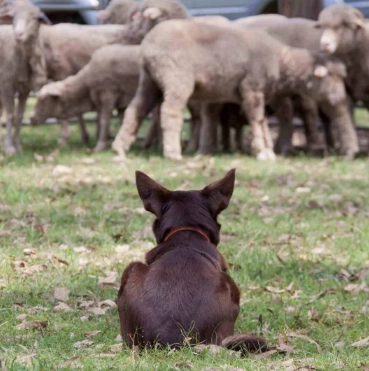
Kelpies are active and smart dogs. They need a lot of exercise to stay happy. A tired Kelpie usually behaves better. Daily activities like long walks and dog sports keep them busy. Research shows that dogs who exercise more feel less anxious and aggressive. When you add exercise to your Kelpie's daily routine, you help their body and mind stay healthy.
Key Takeaways
Kelpies need 2-3 hours of exercise every day. This keeps them happy and healthy. Running, hiking, and playing fetch are good activities.
Combine physical exercise with mental challenges. Use obedience training and puzzle toys. This keeps your Kelpie interested and stops boredom.
Daily walks should be at least 60 minutes long. Change your routes and add hills. This makes walks more fun and effective.
Agility training is a fun way to connect with your Kelpie. It gives both physical and mental exercise. Think about joining a local class or making a mini course at home.
Use positive reinforcement when training. Praise, playtime, and affection can motivate your Kelpie. This also helps strengthen your bond.
Kelpie Temperament
Energetic and Intelligent
Kelpies have a lot of energy and are very smart. They are one of the smartest dog breeds. They love challenges and enjoy being active. Kelpies are friendly and playful. They always want to make you happy. You can see their intelligence in many activities, like herding and agility sports. Many owners are happy with their Kelpies' skills. This is especially true when they do tasks that need focus and quick thinking.
To keep your Kelpie happy, give them at least 2-3 hours of exercise each day. This can be hiking, running, or swimming. These activities help use up their energy and also make them think. If Kelpies do not get enough exercise, they might start barking too much or chewing things they shouldn’t.
Need for Mental Stimulation
Mental stimulation is just as important as physical exercise for Kelpies. These dogs need activities that make them think. Adding obedience training and puzzle toys to your routine can help keep their minds sharp. Playing games that use their herding instincts can also help.
When you mix physical and mental exercises, you create a complete training plan. This helps stop boredom and encourages good behavior. Remember, a Kelpie that thinks is a happy Kelpie!
By knowing your Kelpie's temperament, you can adjust your training and exercise to fit their needs. This helps build a strong bond and makes sure you have a well-behaved friend.
Basic Exercise Techniques
Daily Walks
Daily walks are very important for your Kelpie's health. Aim for at least 60 minutes of exercise every day. This can include fast walks, where your Kelpie can explore and sniff. Walking helps burn energy and sets a routine your dog will expect.
Here are some good walking tips to try:
- Vary Your Routes: Change your walking paths to keep it fun. New sights and smells make your Kelpie think.
- Incorporate Hills: Walking uphill makes the exercise harder. It helps build muscle and strength.
- Use a Weighted Pack: If your Kelpie is strong enough, try a weighted pack. This adds resistance and makes the walk tougher.
Tip: For puppies, keep walks to 5 minutes each time. As they grow, slowly increase the time based on their age and energy.
| Age Group | Exercise Duration | Key Considerations |
| Puppies (8-16 weeks) | Limit to 5 minutes/session | Focus on fun, avoid hills until 12 months |
| Adolescents (6-18 months) | 15-20 minutes/session | Add play breaks to stop boredom |
| Adults (1.5+ years) | 25-35 minutes/session | Use interval training to keep them fit |
| Seniors (7+ years) | 10-15 minutes/walk | Focus on joint health, stay on flat areas |
Fetch Games
Fetch games are a great way to mix exercise with training. This classic game works your Kelpie both physically and mentally. Here’s how to make fetch even better:
- Herding-style Fetch: Instead of just throwing a ball, use a frisbee or herding toy. This makes it harder and uses their natural instincts.
- Obstacle Course Fetch: Set up a mini Dog Agility Hurdle Cone Set in your yard. Have your Kelpie go through it before getting the toy. This adds a mental challenge and strengthens commands.
- Incorporate Commands: Use commands like "sit," "stay," and "come" during fetch. This helps training while keeping your Kelpie active.
| Activity Type | Contribution to Obedience Training |
| Daily Walks | Provide needed physical activity and help set routine. |
| Fetch Games | Engage the dog mentally and physically, reinforcing learned commands. |
| Dog Sports | Channel energy into structured activities, boosting obedience. |
| Mental Challenges | Stop boredom and encourage learning, crucial for Kelpies' training. |
By adding these basic exercise techniques into your routine, you not only help your Kelpie's health but also improve their obedience and behavior. Remember, a well-exercised Kelpie is a happy Kelpie!
Advanced Training and Exercise
Agility Training
Agility training is a fun way to exercise your Kelpie. This sport has your dog go through obstacles like tunnels, jumps, and weave poles. It makes your dog think and move at the same time. Kelpies love this because they enjoy running and solving problems.
Doing agility training helps your Kelpie learn to solve problems and use their instincts. These skills are important for their health. Plus, it’s a great way to bond with your dog. You will both have fun finishing an obstacle course together!
To start, think about joining a local agility class or making a mini course in your yard. Use cones, hoops, and even things from your home to create fun challenges. Keep the training sessions short and positive to keep your Kelpie excited.
Obedience Commands
Adding obedience commands to your exercise time is another good way to train your Kelpie. Commands like "sit," "stay," and "come" can be practiced during walks or play. This helps your dog behave well and stay interested.
For example, during fetch, ask your Kelpie to "sit" before you throw the toy. This command teaches them patience and focus. You can also practice commands while walking. Ask your Kelpie to "heel" or "stay" at street corners. This helps them learn obedience while they enjoy their exercise.
Mixing obedience training with physical activities makes a complete routine. Your Kelpie will get the exercise they need and learn important skills that improve their behavior.
By adding agility training and obedience commands to your exercise plan, you will help your Kelpie be a happier and better-behaved friend.
Leash Training for Exercise
Proper Leash Handling
Leash training is very important for exercising with your Kelpie. Good leash handling helps you stay in control and keeps you both safe. Here are some tips to improve how you handle the leash:
- Stay Calm: Your dog can feel your feelings. If you are nervous, your Kelpie might be too. Keep a relaxed grip on the leash.
- Use the Right Equipment: A strong leash and a comfy collar or harness can help a lot. Think about using a head halter for better control.
- Practice Consistency: Use the same commands and methods every time you walk. This helps your Kelpie know what you want.
| Technique | Description |
| Drain Intense Energy First | Taking your dog for a fast run before the walk helps use up extra energy. This makes your Kelpie more ready to be calm during the walk. |
| Use Consistent Techniques and Proper Tools | Using the same training methods, like stopping when the leash tightens, teaches your dog that pulling does not work. Using the right tools helps with control and safety. |
Loose Leash Walking
Loose leash walking is a big help for your exercise times. It lets your Kelpie explore while you stay in control. Here’s how to do it:
- Start Slow: Begin in a quiet place with fewer distractions. This helps your Kelpie focus on you.
- Reward Good Behavior: When your dog walks next to you without pulling, give praise or a treat. This encourages the behavior you want.
- Change Directions: If your Kelpie starts to pull, change direction. This teaches them to pay attention to you.
Common problems during leash training include pulling, barking too much, and needing consistent training methods. Fixing these issues early will make it more fun for both of you.
By mastering leash training, you prepare for great exercise sessions. A well-trained Kelpie will enjoy their walks and strengthen the bond you share.
Interactive Play and Exercise
Tug-of-War
Tug-of-war is a great game for you and your Kelpie. It’s fun and helps build strength. It also makes your bond stronger. Here’s how to play:
- Choose the Right Toy: Use a strong rope or a Spring Pole Dog Toys For Tug Of War. Make sure it’s safe and can last.
- Set the Rules: Teach your Kelpie to "take it" and "drop it." This helps them learn control while playing.
- Keep It Friendly: Always watch how excited they get. If your Kelpie gets too wild, take a break. You want this game to be fun for both of you!
Playing tug-of-war also gives your Kelpie mental exercise. It makes them think about their moves and listen to your commands. Plus, it’s a great way to use up some of that extra energy!
Puzzle Toys
Puzzle toys are another great way to keep your Kelpie busy. These toys challenge your dog’s mind and help with anxious energy. Here’s why they work well:
- Mental Stimulation: Kelpies love challenges. Puzzle toys make them think and solve problems, which keeps their minds sharp.
- Positive Associations: Using puzzle toys can create good experiences when your Kelpie is alone. This helps reduce anxiety and improves behavior.
- Variety of Options: You can find many kinds of puzzle toys, from treat-dispensing balls to interactive games. Try different ones to see which your Kelpie likes best.
Adding interactive play and puzzle toys to your routine not only helps with exercise but also improves your Kelpie's overall health. Remember, a dog that thinks is a happy dog!
Addressing Behavioral Issues
Kelpies are full of energy and smart. But if they don’t get enough exercise, they can have some common problems. Let’s look at two of the most common issues: barking too much and being hyperactive.
Excessive Barking
Does your Kelpie bark a lot? You are not alone. Many Kelpies bark too much, especially when they lack exercise. This behavior comes from their natural job of herding animals. Barking helps them communicate and control the herd. If your Kelpie has no way to use this energy, barking becomes what they do.Sometimes, you can let them run on a Large Dog Treadmill to help them expend their energy.
To fix this, make sure your Kelpie gets enough exercise. A tired dog is a quieter dog. Try adding games like fetch or agility training to their day. These activities burn energy and keep their minds busy. You can also teach commands like "quiet" or "enough" to help with barking. Be consistent. Reward your Kelpie when they listen to these commands.
Hyperactivity
Hyperactivity in Kelpies usually comes from not getting enough exercise. Without ways to use their energy, they might not listen to commands. You may see them chasing moving things, which is linked to their herding nature.
To reduce hyperactivity, set up a routine with both physical and mental challenges. Games, puzzle toys, and obedience training can help a lot. These activities tire them out and keep their minds active, which lowers hyper behavior.
Tip: Keep training sessions short and fun. This keeps your Kelpie interested and excited to learn.
By understanding and fixing these behavior problems, you can help your Kelpie be a happy and well-behaved friend. Remember, a well-exercised Kelpie is a happy Kelpie!
Keeping Training Fun
Variety in Exercises
It's important to keep your Kelpie interested during training. Doing different exercises stops boredom and keeps them happy. Here are some fun ideas to try:
- Change Locations: Visit new parks or trails. Different places make your Kelpie's senses come alive.
- Incorporate Water: If your Kelpie likes swimming, go to a lake or pool. Water activities are fun and good exercise!
- Explore New Games: Try games like hide-and-seek or scent work. These games make your Kelpie think and move.
Adding variety makes training more fun. Your Kelpie will be excited for each session, making it easier to teach them new things.
Reward-Based Training
Using rewards in training can really help. Treats are common, but many Kelpies like play and toys more. For example, my Kelpie, Journey, loves a game of tug or fetch. When I use toys as rewards, she tries her best every time!
Dog Trainer, Micheal Ellis, says using play with food and toys is important. He thinks it makes training more fun and rewarding for dogs.
Positive reinforcement is great for Kelpies. They want to please and learn fast. Here are some good non-food rewards:
- Praise: Your voice can motivate them. Use happy words when your Kelpie does well.
- Playtime: Use play as a reward. After training, have a fun game together.
- Affection: Petting and cuddles can show good behavior. Your Kelpie loves your attention!
By focusing on these rewards, you make your bond with your Kelpie stronger. Remember, a happy dog learns well!
Training your Kelpie with good exercise methods can change your relationship and their behavior. Make sure to combine physical and mental activities to keep them interested. Don’t forget about mental challenges or skip having a routine. Experts say to sign your Kelpie up for classes and include them in family fun. This helps lower anxiety and makes your bond stronger. Regular exercise routines make Kelpies calmer and happier. So, be patient and stick with it, and you will see your Kelpie do well!
FAQ
What is the best way to exercise my Kelpie?
You should try to give your Kelpie 2-3 hours of exercise each day. Good activities include running, hiking, and playing fetch. Mixing physical and mental challenges keeps your Kelpie happy and healthy.
How can I stop my Kelpie from barking too much?
Make sure your Kelpie gets enough exercise. Play games like fetch or do agility training with them. Teaching commands like "quiet" can also help reduce barking.
What are some good mental exercises for Kelpies?
Puzzle toys and scent games are great for keeping their minds busy. You can also add obedience training during playtime to keep them sharp and engaged.
How often should I train my Kelpie?
Train your Kelpie every day, but keep the sessions short and fun. Aim for 5-10 minutes of focused training, mixing in play and exercise to keep them interested.
Can I train my Kelpie without treats?
Yes! You can use praise, playtime, or affection as rewards. Many Kelpies respond well to positive reinforcement that doesn’t involve food, making training fun for both of you.
0 Comments