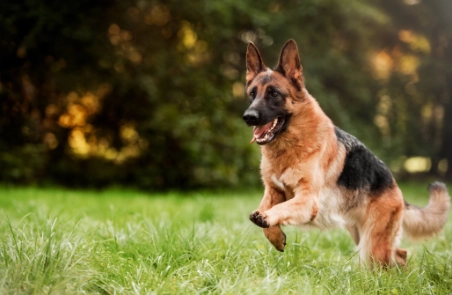
Exercise is very important for your dog's health and happiness. Sadly, many dogs do not get enough exercise each day. In fact, about 9.2% of dogs only exercise for 0–15 minutes daily. This can make them gain weight and have health problems. A Ronzeil Treadmill can help solve this issue.
Studies by vets show that using a treadmill can really improve heart health in dogs. For example, regular use of a Ronzeil Treadmill can make their heart rate better and improve fitness.
When picking a treadmill, think about your dog's size, breed, and how active they are. These factors will help you choose the best one, like the Ronzeil Treadmill, so your dog stays active and happy.
Key Takeaways
- Think about your dog's size and breed when picking a treadmill. Make sure the running area is safe to avoid injuries.
- Look for safety features like emergency stop buttons and non-slip surfaces. These features help keep your dog safe while they exercise.
- Start your dog on the treadmill slowly. Slowly increase how long and hard they work out to help them feel comfortable and confident.
- Use a leash and harness for extra safety while your dog exercises. This helps you keep control and stops accidents.
- Ronzeil treadmills have different options for different breeds and activity levels. This helps keep your dog active and healthy.
Dog Needs
Choosing the right treadmill for your dog is very important. You need to know their special needs. Every dog is unique. Size, breed, and how active they are matter a lot when picking a treadmill.
Size and Breed Considerations
Your dog's size affects the treadmill you should buy. The running surface must be long and wide enough for them to run easily. Here are some important points to remember:
- The treadmill should be at least 2.5 times your dog's length from nose to tail base.
- Think about your dog's current size and how big they might get.
For example, small dogs like Chihuahuas or Dachshunds need a treadmill with a shorter and narrower belt. Larger breeds like German Shepherds or Huskies need more space to move freely. Using the wrong size can cause health problems like bad posture and joint pain.
To see which breeds benefit from treadmill exercise, look at the table below:
| Dog Group | Example Breeds | Exercise Needs Description | Treadmill Benefits |
| Herding Group | Border Collie | Needs lots of activity and mental challenges. | Great for interval training to use energy in a safe place. |
| Sporting Group | Labrador Retriever | Needs at least 80 minutes of good exercise to stay healthy. | Works well for treadmill training for steady cardio workouts. |
| Working Group | Siberian Husky | Made for endurance; needs regular exercise to avoid bad behavior. | Mimics long-distance activities, keeping them fit indoors. |
Activity Level and Health Needs
Your dog's activity level is also very important when choosing a treadmill. High-energy dogs, like Border Collies and Labradors, need regular exercise. They require structured activities to stay happy and healthy. Older dogs or those with health issues may need gentler exercise to help with their conditions.
Treadmill exercise can help with recovery and healing for different health problems, such as:
- Bone and joint issues
- Nerve problems
- Building strength and endurance
A treadmill provides a safe place for your dog to stay fit without the dangers of outdoor exercise, especially in bad weather.
Key Features of Dog Treadmills
When you pick a dog treadmill, think about some key features. These features can make your dog's exercise better. Knowing them will help you choose wisely.
Motorized vs. Non-Motorized Treadmills
There are two main types of dog treadmills: motorized and non-motorized. Each type has good and bad points.
- Motorized Treadmills: These have a motor that controls the speed. They are made just for dogs, ensuring good quality. You can set a steady pace, which is good for workouts. But, this fixed speed may not work for every dog. Some dogs like to choose their own speed. Motorized treadmills usually come with a lifetime warranty, showing they are built to last.
- Non-Motorized Treadmills: Also called slatmills, these let dogs pick their own pace. This feature keeps them safe and feels more natural. Dogs can walk or run at a speed that feels right for them. However, some dogs may need time to learn how to use it well.
Safety Features to Consider
Safety is very important when choosing a dog treadmill. Here are some key safety features to look for:
- Emergency Stop Buttons: These let you quickly stop the treadmill if your dog is in danger.
- Side Rails or Panels: These keep your dog from falling off the sides while they exercise.
- Non-Slip Running Surfaces: A non-slip surface helps your dog keep their footing, lowering the chance of slips and falls.
Remember, never leave your dog alone while using the treadmill. Always keep them on a leash with a flat collar for better control.
Speed and Incline Options
Adjustable speed and incline options can really help your dog's workout. Here’s how they can help different types of dogs:
| Feature | Benefit for High-Energy Breeds | Benefit for Older/Recovering Dogs |
| Adjustable Speed | Allows for intense workouts | Enables gentle conditioning |
| Adjustable Incline | Increases workout intensity | Reduces strain during exercise |
For older dogs, adjustable speed fits their abilities, while adjustable incline helps ease joint strain. This flexibility makes sure you can adjust the workout to fit your dog's needs, whether they are high-energy or need a gentler approach.
By thinking about these key features, you can find the best dog treadmill for your dog's exercise needs.
Choosing the Right Treadmill
When you pick a dog running treadmill, think about what your dog needs. The Ronzeil treadmill has great options for different breeds and activity levels. Here are some features that make Ronzeil treadmills special:
| Feature | Benefit |
| Incline Adjustment | Helps build muscle and makes them stronger. |
| Non-Electric Operation | Increases heart rate, improves blood flow, and strengthens the heart. |
| Low-Impact Exercise | Protects joints and muscles, especially for older or recovering dogs. |
These features help you customize your dog's workout well.
Treadmill Options
Treadmills come in different sizes and abilities. They work for small, medium, and large dogs. For example, if you have a small or senior dog, find a model with a belt width of 24–26 inches and a speed range of 0.1–2.5 mph. This setup keeps them safe and comfortable while exercising.
Indoor vs. Outdoor Treadmills
Choosing between indoor and outdoor treadmills depends on where you live and what your dog needs. Indoor treadmills are small and fit well in tight spaces. They let you exercise your dog no matter the weather. However, outdoor treadmills usually have longer decks, which help larger breeds run naturally.
| Feature | Indoor Treadmills | Outdoor Treadmills |
| Deck Length | Shorter, fits in small spaces | Longer, supports natural running |
| Safety Features | Basic emergency stop | Strong rails and safety locks |
| Cost Range (USD) | $150 - $700 | $700 - $5000+ |
In the end, the choice depends on what your dog likes and where you live. By thinking about these things, you can choose the right dog treadmill that fits your dog's exercise needs.
Health Goals for Your Dog
Setting clear health goals for your dog is very important. It can really help them. If your dog needs to lose weight, heal from an injury, or use up extra energy, a dog treadmill can help you reach these goals.
Weight Loss and Daily Exercise
If your dog is overweight, using a doggy treadmill can change things. Studies show that treadmill workouts can help your dog burn more calories. This is key for losing weight. Regular exercise helps your dog lose pounds and keeps their muscles strong. Try to have daily sessions because vets say regular exercise is best for your dog's health. Here are some tips for using the treadmill:
- Start with short sessions and slowly make them longer.
- Use treats and praise to motivate your dog.
- Keep track of their progress and change the speed if needed.
Rehabilitation for Senior Dogs
For older dogs, a treadmill is great for recovery. It helps them move better and feel more comfortable while lowering the chance of injury. Many vets suggest treadmill sessions as part of therapy. Here are some benefits:
- Low-impact exercise helps build muscle without hurting joints.
- Gradual incline changes can boost strength and endurance.
- Regular sessions can greatly improve your dog's life quality.
High-Energy and Working Dogs
High-energy dogs need lots of exercise, and a treadmill gives them the activity they require. Treadmill workouts also provide mental challenges, which are important for keeping these dogs happy. Here’s how it helps:
- Exercised dogs focus better during training.
- Regular workouts can lower hyperactivity and improve social skills.
- Treadmill sessions help build stamina and muscle, keeping your dog fit.
By matching your dog's health goals with the right treadmill features, you can help them stay active and healthy for many years.
Common Mistakes to Avoid
When you pick a dog treadmill, you might miss some key details. Avoiding these common mistakes can really help your dog's exercise experience.
Size and Noise Considerations
First, size is very important. A treadmill that’s too small can cause injuries. Make sure the running surface is long and wide enough for your dog to move easily. For example, narrow belts can lead to missteps, causing discomfort. This discomfort can make your dog not want to use the treadmill.
Also, think about noise levels. Some dogs are sensitive to sounds. A loud treadmill can make them stressed. Studies show that noise above 65 dB can raise cortisol levels in dogs. This may stop them from wanting to exercise. If you live with others, a quieter treadmill is a better choice. Foldable dog treadmills can be noisy, while options like treadmill ramps make less noise.
Training and Adjustment Period
Training your dog to use the dog treadmills takes time. Many owners hurry this process, but it’s important to make sure your dog feels comfortable. The adjustment period is different for each dog, so be patient. Start with short sessions and slowly increase the time. Make it fun for your dog by using treats and praise.
Remember, the goal is to create a good experience. If your dog thinks the treadmill is fun, they’ll want to use it more often. Taking the time to train your dog well will help them stay active and healthy.
By avoiding these common mistakes, you can make sure your dog enjoys their treadmill workouts and gets the exercise they need.
Cost of Dog Treadmills
When you want to buy a dog treadmill, knowing the cost is very important. Prices can change a lot based on features and quality. You can find choices that fit almost any budget.
Budget vs. Premium Options
Dog treadmills usually fit into two groups: budget and premium. Here’s a quick look at what each type offers:
| Feature | Budget Models | Premium Models |
| Size and Weight Capacity | Few options for smaller breeds | Many choices for all sizes |
| Adjustable Speed Settings | Basic speed choices | Many adjustable speeds |
| Incline Options | Usually not available | Different incline settings |
| Durability and Build Quality | Lower quality materials | Strong, high-quality construction |
| Safety Features | Few safety features | Better safety mechanisms |
| Customizability | Limited options | Very customizable |
| Warranty | Shorter warranty | Longer warranties |
Value of Investment
Buying a dog treadmill can really help your pet's health. While the first cost might seem high, think about the long-term benefits. A treadmill helps keep your dog's weight in check and can lower future vet bills. Here’s a look at the value:
| Aspect | Initial Investment | Long-term Benefits |
| Dog Treadmills | Significant | Helps manage pet health and cuts vet costs |
By investing in a good dog treadmill, you help your furry friend stay active and healthy. This investment pays off over time, keeping your dog fit and possibly saving you money on vet visits.
Expert Tips for First-Time Buyers
Consultation and Introduction Tips
When you buy a dog treadmill, talking to a vet is a smart first step. They can help you learn what exercise your dog needs. After getting your treadmill, let your dog get used to it slowly. Here are some tips to make it easier:
- Teach the Enter and Exit of the Treadmill First: Let your dog check out the treadmill while it's off. Give them treats for any progress.
- Teach the Stand and Stay on the Treadmill: Slowly increase how long your dog stands on the treadmill, marking and rewarding their progress.
- Teach Attaching the Harnessed Dog to the Treadmill: Put your dog's harness on while giving them treats for good behavior.
- Building the Dog's Confidence: Move from the side to the front of the treadmill while still rewarding your dog.
- Teach the Dog the Value of Turning the Unit On/Off: Show your dog how to turn the treadmill on and off while marking and rewarding their response.
- Teaching Your Dog the Value of Increased Speed, Incline, and Duration: Slowly add changes while making sure your dog feels comfortable and gets rewards.
- Start Exercising and Increasing Goals: Begin with short sessions to watch how your dog feels and if they get tired.
Maintenance and Cleaning
Keeping your dog treadmill in good shape is very important for it to last. Regular care makes sure it works well and safely. Here’s a quick guide:
| Maintenance Task | Description |
| Clean the running surface after each use | Regular cleaning stops dirt and debris from building up. |
| Lubricate moving parts | Follow the manufacturer's advice for lubrication. |
| Check for wear and tear | Regularly check the belt and motor for any damage. |
To clean the treadmill, use a spray bottle with water and a little detergent. Wipe the surface with a towel after spraying. For deeper cleaning, push the axle of the front and rear roller to take it off for better access.
By following these tips, you can keep your dog treadmill safe and effective for your dog's exercise needs.
Choosing the right dog treadmill is very important for your dog's health and happiness. Think about your dog's size, breed, and how active they are when you choose. Make sure to look for safety features like emergency stop buttons, side rails, and non-slip surfaces. These will help keep your dog safe while they exercise.
Here are some tips to remember:
- Let your dog get used to the treadmill first.
- Start slowly and let them get used to it.
- Use a leash and harness for extra safety.
- Keep workout sessions short and fun.
Ronzeil treadmills have great options that fit your dog's needs. They are strong and work well, helping your dog stay active and healthy for many years.
FAQ
Is a dog treadmill safe for my pet?
Yes, a dog treadmill is safe if used the right way. Always watch your dog while they exercise. Make sure the treadmill has safety features like emergency stops and side rails to keep them safe.
Can puppies use a treadmill?
Puppies can use a treadmill, but only for short times. Start slow and make sure they have fun. Talk to your vet for advice on how much exercise is good for their age.
How long should my dog use the treadmill?
Start with 5 to 10 minutes each time. Slowly increase the time based on how fit your dog is. Aim for 20 to 30 minutes for active dogs, but always check that they are comfortable.
Are dog treadmills loud?
The noise level depends on the model. Some treadmills are quiet, while others can be noisy. If your dog doesn’t like loud sounds, look for quieter options to help them feel relaxed while exercising.
Can I leave my dog unattended on the treadmill?
No, you should never leave your dog alone while they are on the treadmill. Always keep an eye on them to make sure they are safe and to avoid accidents.
0 Comments