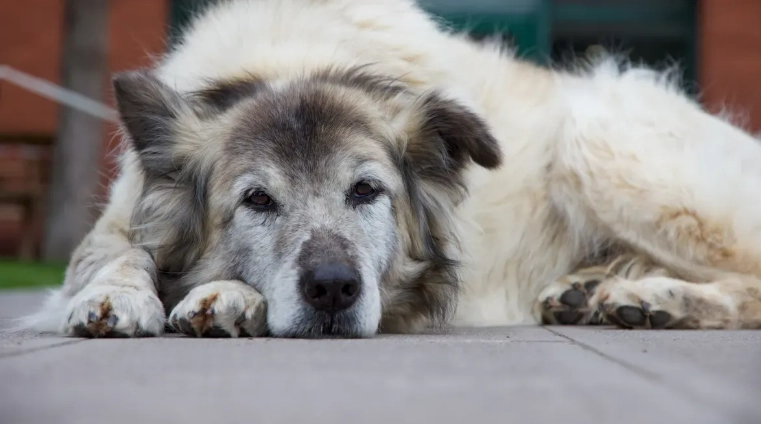
Finding the right multivitamins for your senior dog can seem hard, but it is not!These dog vitamins are made just for older dogs. They have important nutrients to help keep them healthy. You want a product that works well, helps your dog’s health, and fits their special needs. Let’s see how the right vitamins can help your furry friend!
Key Takeaways
- Older dogs need special vitamins for their health. These vitamins help with problems that come with age.
- Important nutrients like vitamins A, C, E, and B-Complex are key. They help with energy, immune system, and brain health.
- Ingredients for joint support, like glucosamine and chondroitin, can help older dogs move better and feel less pain.
- Always talk to your vet before giving any new vitamin. This makes sure it fits your dog's needs.
- Pick trusted brands that vets recommend. This helps your senior dog get the best care possible.
Importance of Dog Vitamins for Seniors
As your dog gets older, they may have special health problems. Senior dogs often face different health issues that can change their quality of life. Here are some common health problems you might see:
| Health Issue | Description |
| Cancer | Almost 50% of dogs over 10 get cancer; common types are mast cell tumors and lymphoma. |
| Heart Disease | Affects 75% of senior dogs and can cause heart failure. |
| Kidney Disease | Can lead to kidney failure if not treated. |
| Urinary Tract | Disease Includes infections and incontinence, affecting housebroken dogs. |
| Liver Disease | Affects liver functions, which impacts overall health. |
| Diabetes | A hormonal problem where insulin production is low. |
| Obesity | Over 50% of dogs in the US are overweight, especially seniors. |
| Arthritis | Causes joint pain and swelling from bones rubbing together. |
| Canine Cognitive Dysfunction | Similar to dementia in humans, affecting thinking skills. |
| Dental Issues | Gum disease affects over 80% of dogs older than 3. |
These problems can be scary, but dog vitamins can help your senior dog's health. By giving them important nutrients, you can help your furry friend stay lively and healthy.
Vitamins and minerals can strengthen your dog's immune system, help their joints, and improve brain function. For example, B vitamins like B6 and B12 can boost brain function in older dogs. Also, antioxidants can lower oxidative stress, which is important for good health.
Adding dog vitamins to your senior dog's meals can lead to better energy and happiness. You want your dog to enjoy their golden years, and the right vitamins can help with that!
Key Nutrients in Dog Vitamins
To keep your senior dog healthy, knowing the key nutrients in dog vitamins is very important. These nutrients help support their overall health and well-being. Let’s look at the important vitamins and minerals your furry friend needs.
Vitamins (A, C, E, B-Complex)
Vitamins are very important for your dog's health. Here are some key vitamins to find:
- Vitamin A: Helps with vision and immune function.
- Vitamin C: Works as an antioxidant and reduces inflammation.
- Vitamin E: Protects cells from damage and helps skin health.
- B-Complex Vitamins: These include B1, B2, B6, and B12. They help with energy and brain function. Not getting enough B vitamins can cause health problems like:
Fatigue
Less appetite
Skin issues
Weaker immune function
Digestive problems
Lethargy
Anemia
Neurological issues like seizures and confusion
Minerals (Calcium, Phosphorus, Zinc)
Minerals are just as important as vitamins. They help keep bones strong and support many body functions. Here’s a quick look at important minerals for senior dogs:
| Mineral | Baseline Level (mg/kg) | Senior Dog Level (mg/kg) |
| Calcium | 120 | 96 |
| Phosphorus | 100 | 80 |
| Zinc | N/A | N/A |
Zinc is especially important for immune function. Adding zinc can help T cell differentiation and improve your dog's response to germs. While more research is needed on older dogs, it’s clear that zinc helps overall health.
Joint Support (Glucosamine, Chondroitin)
As dogs get older, joint health is a big concern. Ingredients like glucosamine and chondroitin can help support joint function and movement. Here’s what you should know:
- Glucosamine: This natural compound helps keep cartilage and joints healthy.
- Chondroitin: Often used with glucosamine, it helps reduce inflammation and pain in joints.
Many studies show these ingredients work well. For example, a study by McCarthy et al. (2007) found big improvements in pain and weight-bearing in dogs with chronic lameness after glucosamine treatment. However, results can be different, and some studies show mixed results.
Adding these nutrients to your senior dog's diet can improve movement and quality of life. Remember, a balanced approach to nutrition is key to keeping your furry friend happy and healthy!
Choosing the Right Dog Vitamin
Assessing Health Needs
To pick the best multivitamin for your senior dog, start by checking their health needs. Each dog has different nutritional needs based on age, breed, size, and how active they are. Here are some tips to help you figure out what your dog needs:
- Think about your dog's age and breed. Older dogs need different nutrients than younger ones.
- Consider their size. Bigger breeds may need more help for joints and energy.
- Watch their activity level. Active dogs often need vitamins that boost energy and movement.
- Look for signs of health problems. If your dog seems tired or has trouble moving, they might need extra help.
Dietary Restrictions
Dietary restrictions can also affect your choice of multivitamin. Talking to your veterinarian is very important to understand your senior dog's diet needs. Regular check-ups can help find any health changes that might need diet changes. Here are some things to think about:
- Your vet is the best person to help you decide on the right diet for your senior dog.
- Talk about your dog's current food and any supplements with your vet. This is important to avoid giving too much when adding multivitamins.
Veterinary Consultation
Always remember how important it is to talk to a veterinarian before starting any new supplement. Your vet can help find specific nutrient gaps and health issues. They can also suggest the best multivitamin for your dog's needs. A quick chat with your vet can really help your dog's health!
By following these steps, you can confidently choose the right multivitamin to support your senior dog's health and happiness.
Picking the right multivitamins can really help your senior dog stay healthy. These supplements give important nutrients like antioxidants, omega-3s, and glucosamine. They help with immune function, skin health, energy, and digestion.
Here’s a simple guide to help you choose wisely:
- Talk to your vet before starting any new supplement.
- Find out what vitamins and minerals your dog needs.
- Choose trusted brands that vets recommend.
| Nutrient | Benefit |
| Antioxidants | Protect cells and boost immunity |
| Omega-3 Fatty Acids | Improve coat and reduce inflammation |
| Glucosamine & Chondroitin | Help joint health and movement |
Remember, your goal is to keep your furry friend happy and comfortable in their golden years. Taking time to pick the right vitamins helps you do just that! ��
FAQ
What are the signs that my senior dog needs vitamins?
Watch for signs like low energy, weight changes, or trouble moving. If your dog seems less playful or has a dull coat, it may be time to think about adding vitamins.
Can I give my dog human vitamins?
No, you should not give human vitamins to dogs. They need different nutrients. Always pick vitamins made for dogs to keep them safe and healthy.
How do I introduce vitamins to my dog's diet?
Start by mixing the vitamins into their food. Slowly increase the amount over a week. This helps your dog get used to it and enjoy the taste.
Are there side effects of dog vitamins?
Some dogs might have mild stomach upset. If you see vomiting or diarrhea, stop the vitamins and talk to your vet for help.
How often should I give my senior dog vitamins?
Follow the directions on the product label. Most multivitamins are given daily. Always check with your vet for the best schedule for your dog's needs.
0 Comments