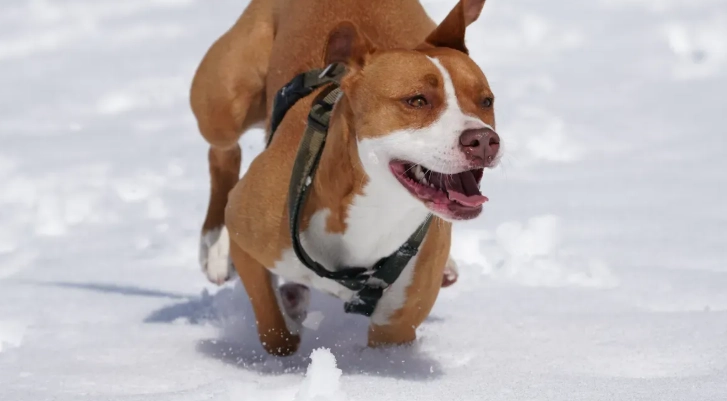
Treadmill training on a dog treadmill has great benefits for active dogs like Pitbulls. It helps them use up energy, stay at a healthy weight, and get fit. Studies show that regular workouts on a dog treadmill can really improve their health. About 30 minutes of exercise is good for each session. Good nutrition is very important in this process. A balanced and high-quality diet gives your Pitbull the energy and nutrients they need to perform well. Keep in mind, a well-fed dog is a happy and healthy dog!
Key Takeaways
- Always watch your Pitbull when they use the treadmill. This keeps them safe and comfortable.
- Start with short treadmill sessions. This helps your Pitbull get used to it.
- Use joint supplements like glucosamine. They help your dog stay healthy after exercise.
- Feed your Pitbull a balanced diet. It should have protein and healthy fats. This keeps them fit and full of energy.
- Combine treadmill workouts with outdoor fun. This makes your Pitbull happy and active.
Dog Treadmill Safety
Setup and Supervision
When you use a dog treadmill for your Pitbull, safety is very important. Setting up the treadmill right and watching your dog can stop accidents and injuries. Here are some tips to keep it safe:
- Choose the Right Treadmill: Pick a treadmill made just for dogs. These treadmills fit their size and strength, which lowers the chance of injury.
- Create a Safe Space: Put the treadmill in a quiet spot without distractions. This helps your dog pay attention to their workout.
- Supervise Closely: Always watch your dog while they are on the treadmill. This lets you check their comfort and safety. If you see any signs of trouble, stop the session right away.
Robert Leem, called 'The Mill Maker,' talks about how setup and supervision matter. He thinks a good treadmill can really help your Pitbull's fitness and endurance.
Safety Precautions
Using safety precautions is very important for a good treadmill training session. Here are some key rules to follow:
- Check for Injuries: Look at your dog’s paws and nails often for any injuries. This helps avoid pain during workouts.
- Start Slow: Slowly get your dog used to the treadmill. Start with short sessions and slowly make them longer as they feel better.
- Watch for Fatigue: Look for signs of tiredness, like heavy panting, limping, or falling behind. Ignoring these signs can cause serious injuries.
- Use Side Rails: Make sure the treadmill has side rails to stop your dog from falling off while they exercise.
By following these safety tips, you can make treadmill training fun and effective for your Pitbull. Remember, a safe place means a happy and healthy dog!
Introducing Pitbulls to the Treadmill
Gradual Introduction
Getting your Pitbull used to the treadmill should be easy and fun. Start by letting your dog check out the treadmill when it’s off. Let them sniff it and feel comfortable. Here’s how to do it step by step:
- Familiarization: Let your Pitbull walk around the treadmill. This helps them know it’s a safe place.
- Short Sessions: When they seem okay, turn on the treadmill at the lowest speed. Keep the first session short—just a few minutes.
- Positive Reinforcement: Use treats and praise to motivate your dog. This helps them think of treadmill time as a good thing.
- Increase Duration: Slowly make the time longer as your dog gets used to it. Start with 5-10 minutes at first.
Comfort Monitoring
While your Pitbull is on the treadmill, watching their comfort is very important. Look at their body language and actions. Here are some signs to notice:
- Relaxed Posture: Your dog should look relaxed and focused. If they seem tense or scared, slow down or stop.
- Breathing: Heavy panting can mean they are tired. If you see this, lower the speed or take a break.
- Willingness to Continue: If your dog doesn’t want to keep going, it’s time to stop. Always put their comfort first.
Remember, treadmill workouts should be fun and good for your Pitbull. By introducing them slowly and checking their comfort, you’ll help them enjoy exercising. This way, you also build their confidence and strengthen your bond.
Types of Dog Treadmills
When picking a dog treadmill, there are two main types: manual and electric. Each type has its own good points, so let’s look at them.
Manual vs. Electric
Manual treadmills need your dog to move to power the machine. This means your Pitbull sets the speed on their own. But, they have fewer safety features. Electric treadmills have speed settings you can change. They usually have safety features like emergency stops, making them safer for your dog. Here’s a quick comparison:
| Feature | Manual Treadmills | Motorized Treadmills |
| User Control | Dog controls pace naturally | Adjustable speed settings |
| Safety Features | Limited safety features | Emergency stops and safety mechanisms |
| Design | Non-motorized, relies on dog's movement | Motorized, designed for adjustable speeds |
If you want a good way for your Pitbull to exercise often, an electric treadmill might be better. You can change the speed, which is great for dogs of all ages and fitness levels.
Specialty Options
Besides the regular types, there are also special treadmills made just for dogs. These treadmills often have unique features for your dog's needs. For example, some have incline settings to mimic outdoor running. Others may have built-in safety harnesses to keep your dog safe while they exercise.
When choosing a treadmill, think about your Pitbull's size and fitness level. A treadmill made for larger breeds might be better if your dog is bigger. Always look for features that improve safety and comfort.
Choosing the right dog treadmill can really help your Pitbull's training. Whether you pick a manual or electric model, make sure it fits your dog's needs for a safe and good workout.
Nutrition for Pitbulls
Essential Nutrients
To keep your Pitbull healthy and active, good nutrition is very important. A balanced diet gives your dog the nutrients they need to feel great and perform well. Here are the key nutrients to focus on:
| Nutrient Type | Description |
| Premium quality protein | Helps build and repair muscles. |
| Beneficial healthy fats | Supports health and energy levels. |
| Omega-3 fatty acids | Good for joint and skin health. |
| Joint-support nutrients | Helps keep bones and joints healthy. |
| Easily digestible carbohydrates | Gives steady energy all day long. |
| Essential vitamins and minerals | Supports health and immune system. |
It’s important to include high-quality protein sources like chicken, beef, fish, and eggs in your Pitbull's meals. These proteins help build muscles, support the immune system, and keep their coat healthy. Healthy fats, especially omega-3 fatty acids, are important for joints, bones, and hips. They can also help reduce swelling, which is key for active dogs.
A good diet can help prevent or manage health problems that Pitbulls may have, like hip dysplasia, allergies, and heart issues. By focusing on these important nutrients, you can help your furry friend stay fit and healthy.
Recommended Supplements
Along with a balanced diet, you might want to add some supplements to your Pitbull's meals. These can help fill in any gaps and support recovery after exercise. Here are some good supplements to consider:
- Essential amino acids: Important for building muscle and recovery.
- Probiotics: Help with gut health and nutrient absorption.
- Joint supplements: Ingredients like glucosamine and chondroitin support joint health.
- Vitamin E: This antioxidant helps with muscle recovery and overall health.
- Flaxseed: A great source of omega-3 fatty acids for healthy skin and coat.
- Folic acid and enzymes: Help with digestion and nutrient absorption.
After treadmill training, focus on post-exercise nutrition. A balanced diet with protein, vitamins, and minerals is key for recovery. Consistent nutrition works better than quick changes before competitions. Think about adding muscle-building supplements that have the nutrients mentioned above to help your Pitbull recover.
By mixing a nutritious diet with the right supplements, you can help your Pitbull recover faster and do better during treadmill sessions and other activities.
Training Regimens for Pitbulls
Balanced Training Plans
Making a balanced training plan for your Pitbull is very important for their health. A good plan should have treadmill workouts, outdoor fun, and rest days. Here’s a simple way to set it up:
- Daily Exercise: Try to get at least 30 minutes of exercise every day. This can be treadmill time, walks, or playing in the yard.
- Variety: Change up the activities to keep your dog interested. Switch between treadmill training and outdoor fun. This stops boredom and keeps your Pitbull excited about moving.
- Rest Days: Remember to add rest days. Just like people, dogs need time to relax. This is really important after hard workouts.
Adjusting Intensity
Changing the intensity of your Pitbull's treadmill training is important based on their age and fitness. Here are some tips to help you adjust their workouts:
- For Senior Pitbulls: Focus on light exercise for 30 to 45 minutes each day. Break this into shorter sessions to avoid tiring them out. Long, hard workouts can be hard on older dogs, especially if they have health problems.
- For Puppies and Inactive Dogs: Start with slow speeds and short times. Slowly increase both speed and time as they get stronger. This helps build strength safely without causing injuries.
- For Young, Fit Dogs: These dogs can handle longer and faster workouts. You can push them a bit more, but always watch how they feel.
By following these tips, you can make a training plan that fits your Pitbull's needs. Remember, the goal is to keep them healthy, happy, and excited about exercising!
Recovery and Joint Support
Joint Supplements
To keep your Pitbull healthy and active, think about adding joint supplements to their routine. These can help keep their joints healthy, especially if they use a treadmill often. Here are some important ingredients to look for:
- Methylsulfonylmethane (MSM): Helps reduce pain and swelling.
- Glucosamine hydrochloride: Aids in repairing cartilage.
- Chondroitin sulfate: Protects cartilage and helps joints work better.
- Long-chain omega-3 fatty acids: Help lessen joint stiffness.
- Green-lipped mussel: Has natural anti-inflammatory benefits.
Starting joint supplements early can be helpful. For breeds like Pitbulls, starting as young as 8 weeks can help avoid problems later. This early action can keep your dog moving comfortably for many years.
Recovery Methods
After a good treadmill workout, recovery is just as important as the exercise. Here are some good recovery methods to think about:
- Physical Therapy: Working with a vet who specializes in rehab can help your Pitbull heal faster from injuries and improve how they move.
- Hydration: Always make sure your dog has fresh water after exercise.Staying hydrated helps them recover.
- Rest: Give your Pitbull time to relax and recover. This is very important for muscle healing and overall health.
- Massage: Gentle massage can help ease muscle tightness and encourage relaxation.
For active Pitbulls, using glucosamine and chondroitin with omega-3 fatty acids can really help recovery. These combinations not only support joint health but also improve overall well-being.
By focusing on joint supplements and good recovery methods, you can help your Pitbull stay fit and active. This way, they can enjoy every treadmill session to the fullest!
Common Concerns About Treadmill Training
Myths and Misconceptions
There are many myths about treadmill training for Pitbulls. Let’s clear up some common misunderstandings:
- Myth: Treadmills are only for training dogs to fight.
Fact: Many caring owners use dog treadmills to exercise their pets, especially when they can't go outside. - Myth: Treadmill training is bad for dogs.
Fact: When done right, treadmill training can be safe and helpful. It keeps dogs fit and healthy, especially in bad weather or when they can't run off-leash. - Myth: Only some breeds can use treadmills.
Fact: Any dog, including Pitbulls, can enjoy treadmill workouts if you watch their comfort and change the intensity.
Knowing these facts can help you feel better about using a treadmill for your Pitbull’s exercise.
Signs of Overexertion
Treadmill training is great, but you need to watch for signs of overexertion. Here are some important signs to notice:
- Heavy panting
- Bright red tongue and gums
- Thick and sticky saliva
- Vomiting
- Dry mouth
- Sticky gums
If you see any of these signs, stop the session. Overexertion can cause serious problems, like Exercise-Induced Collapse (EIC). This condition makes dogs weak and uncoordinated after hard exercise. Affected dogs can do light to moderate exercise, but tough workouts can cause collapse.
Always put your Pitbull’s health first. By knowing these signs, you can make sure treadmill training stays safe and fun for your furry friend.
In conclusion, using treadmill training and good nutrition is very important for your Pitbull's health and performance. Here are some main points to remember:
- Always watch your dog when they use the treadmill to keep them safe.
- Slowly get your Pitbull used to the treadmill with short sessions.
- Think about adding exercise supplements like glucosamine and B vitamins to help them stay active.
- Focus on good nutrition and rest for better recovery after exercise.
Combine indoor and outdoor activities to keep your dog happy and fit.
By following these tips, you can help your Pitbull live a happy and active life!
FAQ
What is a dog treadmill?
A dog treadmill is a special machine made for dogs to exercise. It lets your dog run or walk inside, which is great when the weather outside is not good.
How long should my Pitbull use the treadmill?
Start with short sessions of about 5 to 10 minutes. Slowly increase the time to 30 minutes as your Pitbull gets used to the treadmill.
Can all dogs use a dog treadmill?
Yes, most dogs can use a dog treadmill, but you need to think about their size, age, and fitness level. Always watch your dog during workouts to keep them safe.
How often should I train my Pitbull on the treadmill?
Try to train your Pitbull on the treadmill 3 to 5 times a week. Mix these sessions with outdoor fun and rest days to keep your Pitbull healthy and happy.
What should I do if my dog shows signs of fatigue?
If your Pitbull looks tired, like heavy panting or not wanting to continue, stop the session right away. Let them rest and drink water before starting any more exercise.
0 Comments