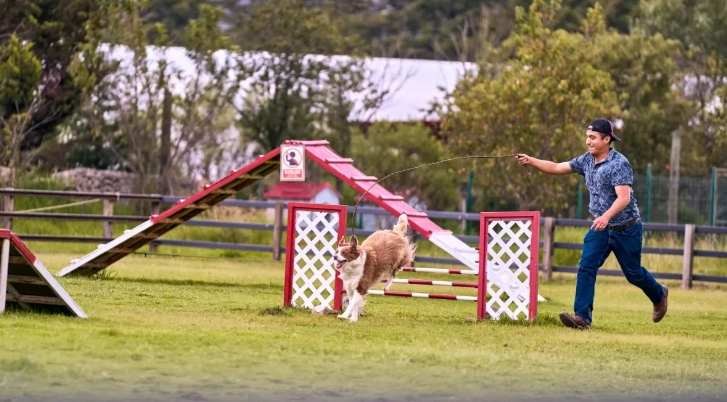
More workouts do not always make a healthier dog. You may accidentally push your dog too far. Overexercise causes bad joint damage and muscle tears. It also causes heat exhaustion. Driven working breeds often hide pain. They just want to keep running. Owners often miss the early warning signs. Then, severe mobility problems appear suddenly. Active dogs need structured physical activity. This protects their bodies from physical stress. It also stops overtraining. You can prevent forced pacing injuries easily. Just choose a non-motorized dog slatmill. This tool lets your canine athlete run. It controls its own speed naturally. This happens during every exercise session. Proper daily workouts protect long-term mobility. They keep your pet very healthy.
Key Takeaways
- Look for hard panting, limping, and stopping. This helps prevent bad injury in your active dog.
- Working dogs with high energy need careful watching. Young puppies also need this close attention. Senior dogs need careful monitoring during workouts, too. Every exercise session requires your watchful eye.
- A dog slatmill lets your pet control its speed.
- Add required rest days and easy warm-up activities. They help protect joints. They also fix tired muscles.
Why Overexercise Harms Canine Health
Muscular Fatigue and Elevated Joint Stress
Extra activity can hurt your dog. Overexercise causes bad damage to canine body systems. Too much running tears tiny muscle fibers. Rest heals sore muscles. It stops long injuries.
Hard running stresses dog joints. Running on hard floors causes body wear. This brings painful swelling. It breaks down cartilage fast. Vets say to limit fast running. This stops long-term joint harm.
Ligament Strain and Soft Tissue Damage
Tired muscles cannot absorb hard shocks. Soft tissues must hold the legs steady. Ligaments take too much force. This creates very painful strain.
Soft tissue injuries grow very slowly. You might see small movement changes. Overworked ligaments stretch or tear easily. Finding early fatigue stops permanent joint issues. It protects physical conditioning.
Heat Exhaustion and Mental Burnout
Dogs cool down slowly. Exercise raises core body temperatures fast. Uncontrolled heat brings severe heat exhaustion. Heatstroke develops fast without quick care. Watch for heavy panting. This prevents dangerous heatstroke.
Driven dogs rarely stop running. Too much work creates mental burnout. It causes sudden behavior changes. Overtraining drops enthusiasm fast. It lowers overall work quality. Rest days protect long-term health.
10 Signs of Overexercising a Dog
Learn signs of overexercising a dog. This protects pets from harm. Active dogs hide pain. Watch for physical signs. Do this during workouts. Safe exercise builds stamina safely.
Prolonged Excessive Panting and Heavy Breathing
Panting cools down dogs. Bad breathing signals heat stroke.
| Feature | Normal Panting | Respiratory Distress |
| Respiratory Rate | 200–400 breaths/min | 40–90 breaths/min |
| Oral Position | Wide open mouth, tongue hanging out | Tongue typically remains inside mouth |
| Recovery Time | Resolves within 30 minutes of rest | Intensely continues past 30 minutes of rest |
Long panting means big danger. Stomach muscles pump air hard. Strange drooling shows danger. Look for pale gums. Dark red gums show heatstroke. Heat stress becomes fatal fast. Cool your dog immediately.
Limping, Stiffness, or Post-Workout Lameness
Limping means tissue damage. It is not tiredness. Watch how dogs recover.
| Clinical Indicator | Minor Muscle Soreness | Post-Workout Lameness / Injury |
| Gait & Weight Bearing | Stiff and slow, but walks carefully | Non-weight bearing, limps, or guards leg |
| Vocalization & Touch | Minor grumbling when standing up | Cries out or yelps repeatedly from pain |
| Progression | Improves gradually with rest | Fails to improve or worsens over 24–48 hours |
Hard workouts hurt joints. Tired legs collapse easily.
Reluctance or Active Refusal to Exercise
Driven dogs want workouts. Stopping is a warning. Running gear frightens them. Pain drains their strength. Hurt makes movement hard.
Sore, Worn, or Torn Paw Pads
Hot asphalt hurts paws. Rough gravel tears pads. Friction wears skin fast. Try a smooth indoor dog treadmill. It stops pad friction. It keeps feet safe.
Extreme Lethargy and Sleeping More Than Normal
Normal tiredness leaves fast. Bad fatigue lasts hours. Dogs stop moving completely. Exhaustion stops all play.
Sudden Loss of Appetite After Workouts
Workouts usually trigger hunger. Refusing food means overexertion. Blood leaves the stomach. It heals sore muscles. This kills all hunger.
Unexplained Behavioral Shifts and Irritability
Body stress changes brains. The brain becomes hyperactive. Good brain chemicals drop. This lowers patience fast. Dogs grow angry suddenly. Sweet pets get irritable.
Frequent Muscle Tremors or Involuntary Twitching
Leg muscles twitch fast. Waste stays in nerves. Rest tremors show exhaustion. Sharp pain needs doctors.
Sudden Performance Regression in Trained Tasks
Hard workouts hurt performance. Dogs make easy mistakes. Reactions slow down fast. Rest restores healthy movement. Stop all continuous work.
Recurring Minor Joint and Soft Tissue Injuries
Repeated sprains show strain. Ignore these warning signs? Joints break down permanently. Catch these signs early. Change your workout plan. Know signs of overexercising a dog. Keep daily workouts safe.
Which Breeds Need Careful Exercise Monitoring?
High-Drive Working and Sporting Breeds
Belgian Malinois have strong drive. German Shepherds love working too. These athletic dogs ignore fatigue. They focus on tasks. Watch their body language closely. Do this during workouts. Monitoring prevents overexertion injury.
Sporting dogs push past limits. They want to please you. Set boundaries during workouts. This protects long-term health. Fast running strains joints quickly. It hurts their muscles too.
Developing Puppies and Aging Senior Dogs
Puppies grow fast. Manage daily routines carefully. Young bones stay soft. Growth plates close slowly. Learn signs of overexercising a dog. This stops early joint damage. Swollen joints show trouble. Unusual tiredness needs rest.
Senior dogs face new challenges. Their bodies age naturally. Arthritis changes exercise limits. Muscle loss hurts strength. Shorten workout sessions today. Protect their aging limbs. Gentle movement helps joints. It prevents extra pain.
Dogs Recovering From Soft Tissue Injuries
Healing dogs need caution. Every canine athlete differs. Tissue healing takes time. Follow clear rehab plans. This prevents permanent damage.
| Phase & Duration | Recommended Exercises | Clinical Objective |
| Phase 1: Early Recovery (Weeks 1–3) |
• Passive range-of-motion (PROM) • Short controlled leash walks (5–10 mins, 2–3x/day on non-slip surfaces) • Gentle therapeutic massage |
Maintains joint flexibility. Stops stiffness and adhesions. Boosts local circulation. |
| Phase 2: Progressive Loading(Weeks 4–8) | • Hydrotherapy/underwater treadmill • Balance & proprioception work (wobble boards, balance discs) • Low Cavaletti poles |
Strengthens muscles safely. Keeps joint load low. Restores nerve control. Improves stepping precision. |
| Phase 3: Return-to-Activity (Weeks 8–16+) |
• Gradual increases in walk length and gentle inclines • Supervised off-leash time in secure areas • Guided sport-specific retraining |
Restores full movement capacity safely. Prepares dogs for tasks. Prevents painful re-injury. |
How Much Exercise Is Too Much for Dogs?
Find how much movement your dog needs daily. Each dog needs a custom fitness plan. Know real limits to keep dogs safe.
Daily Exercise Requirements by Breed and Age
Age and breed decide ideal exercise targets. Older dogs need thirty to sixty daily minutes. Give short twenty minute walks for stiff pets. Vets can help check aging dog mobility.
| Dog Group | Recommended Daily Exercise Limit / Duration |
| Puppies | Require short play sessions and walks with rest, avoiding vigorous running until ~1 year old. |
| Small Breeds | Need shorter, split sessions of lower-intensity activity throughout the day. |
| Working Breeds | Require 60 to 90 minutes of daily high-energy, consistent physical activity. |
Current fitness changes daily workout needs greatly. Hot summer days drop stamina very fast. Change exercise plans when temperatures climb upward.
Differentiating Between Endurance and Overexertion
Learn how right workouts build stamina safely. Healthy pets run using very steady energy. They slow down naturally as fatigue starts. Spot normal tiredness to shield active dogs.
Wonder how much movement harms a pet? Too much activity creates fast physical distress. Severe pain stops all dog movement quickly. Protect pets by giving proper safe workouts.
How a Dog Slatmill Helps Prevent Overexercise
Self-Paced Movement vs Motorized Treadmills
Electric treadmills force dogs forward. Motor speeds never stop. This fixed speed causes bad overexercise. Pets run even when exhausted. Non-motorized dog slatmills run on dog power. Your pet controls the belt speed. Every single stride changes it.
Your pet stops easily when tired. The running belt slows down fast. This natural movement stops forced pacing. It protects your active dog well. Your canine athlete controls all workouts. This prevents bad physical strain.
Transitioning to an Indoor Dog Slatmill for Paw Protection
Hard outdoor ground damages soft pads. Hot pavement burns skin fast. Rough gravel tears paw pads. Outdoor runs cause big pain. Moving workouts indoors removes these hazards.
Indoor spaces stop bad heatstroke. Good dog slatmills cushion every step. They protect pets from weather. Dogs stay fit all year.
| Factor | Outdoor Running | Dog Slatmill |
| Joint Impact | High on hard pavement | Low on shock-absorbing slats |
| Heat Risk | Uncontrolled outdoor heat | Safe indoor climate control |
| Paw Pad Safety | Rough surface pad wear | Smooth surface pad protection |
| Speed Control | Forced by owner or terrain | Fully dog-controlled movement |
Tracking Workout Metrics and Controlling Conditioning
Indoor gear helps plan workouts. You track exact run times. No outdoor issues stop you. Clear numbers help build stamina. Train safely over many weeks.
Change workout plans using recovery signals. Careful tracking stops hidden strain. Safe conditioning protects joint health. Keep your pet safe forever.
Building a Safe Dog Exercise Routine
Warm-Up and Cool-Down Protocol
Proper preparation prevents soft tissue injuries. Warm-ups raise blood flow quickly. Warm muscles handle intense work better. Cold muscles tear under sudden strain. Gentle actions boost muscle flexibility first.
Safe transitions protect dog joints completely. Follow these steps for your dog.
| Session Phase | Recommended Duration | Routine Steps & Specific Exercises |
| Warm-Up | 5–10 minutes total | 1. Cardio (Walk/Trot): Walk gently to boost heart rate. |
| Cool-Down | 5–10 minutes total | 1. Walk: Slow walk for ten minutes. 2. Active Stretching: Gently stretch all four legs. 3. Passive Stretching: Hold leg stretches thirty seconds. |
Structured Rest Days and Hydration Strategies
Rest days belong in workout plans. Healing makes weak muscle fibers stronger. Daily workouts drop energy levels fast. Scheduled break days prevent severe fatigue.
Fresh water protects active dogs daily. Lack of water raises body heat. Heat stress leads to deadly heatstroke. Give small water breaks regularly.
Proper exercise keeps pets healthy and happy. Watch energy signs to prevent pain. Balanced workouts shield muscles from harm. Safe habits protect long-term pet mobility.
You shield your athletic pup. Use custom workout plans. Good health needs smart habits. Volume is not the answer. Spot fatigue signs right away. This stops joint damage fast. Choose home gear very wisely. Pick a proper canine slatmill. The belt must be long. It needs extra running room. This fits your pet's stride. Use a good body harness. Always watch every single run. The machine controls the speed. It stops overwork very safely. Smart routines protect your pet. They live happy long lives.
FAQ
Can a dog overexercise on a self-propelled slatmill?
Dogs adjust speed on non-motorized slatmills naturally. Highly driven dogs still push past physical limits. Watch workout times to keep sessions safe. Observe body language to protect your pet.
What are the main signs of overexercising a dog?
Heavy panting shows signs of overexercising a dog. Limping indicates serious body pain. Dogs may suddenly refuse to run. Sore paw pads signal big danger. Watch for muscle tremors after workouts. Extreme lethargy shows harmful physical strain.
How do you calculate how much exercise your dog needs daily?
Age determines daily fitness needs. Breed shapes total workout times. Health levels change activity limits. Puppies only need short play sessions. Gentle walks help senior dogs stay active. Working breeds need long daily runs. They need ninety minutes of active movement.
How do you know how much exercise is too much for dogs?
Check recovery times after every workout. Healthy dogs recover within thirty minutes. Long exhaustion signals severe physical stress. Loss of appetite shows real trouble. Body stiffness means too much work.
Should your pet exercise on a slatmill every day?
Rest days rebuild weak muscle tissue. Days off stop bad mental burnout. Plan light daily walks for simple fun. Hard conditioning workouts need rest days. Recovery time protects long-term health.
0 Comments